
KOSPI Market Volatility and Analysis — June 2, 2026
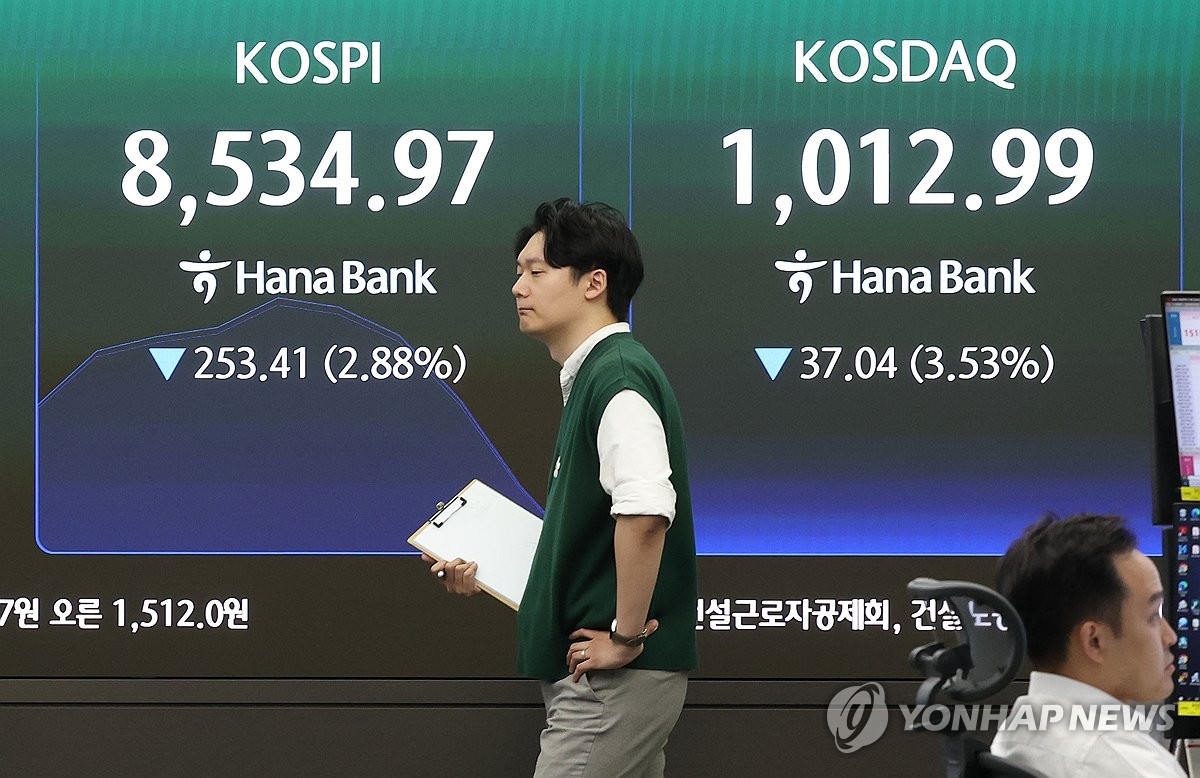
The KOSPI closed at 8,800, setting a new record, but experienced intense intraday volatility, dipping as low as 8,500. While retail buying of 6 trillion won and semiconductor strength are driving the index, market concentration risks are rising.
KOSPI Market Volatility and Analysis — June 2, 2026
1. Market Indicators and Supply/Demand Status
The KOSPI slid as low as 8,500 during the session on the 2nd before bouncing back to close in the 8,800 range, supported by robust buying from retail investors. The market saw a rollercoaster day, with retail investors recording 6 trillion won in net buying, which acted as a major buffer against a deeper decline.
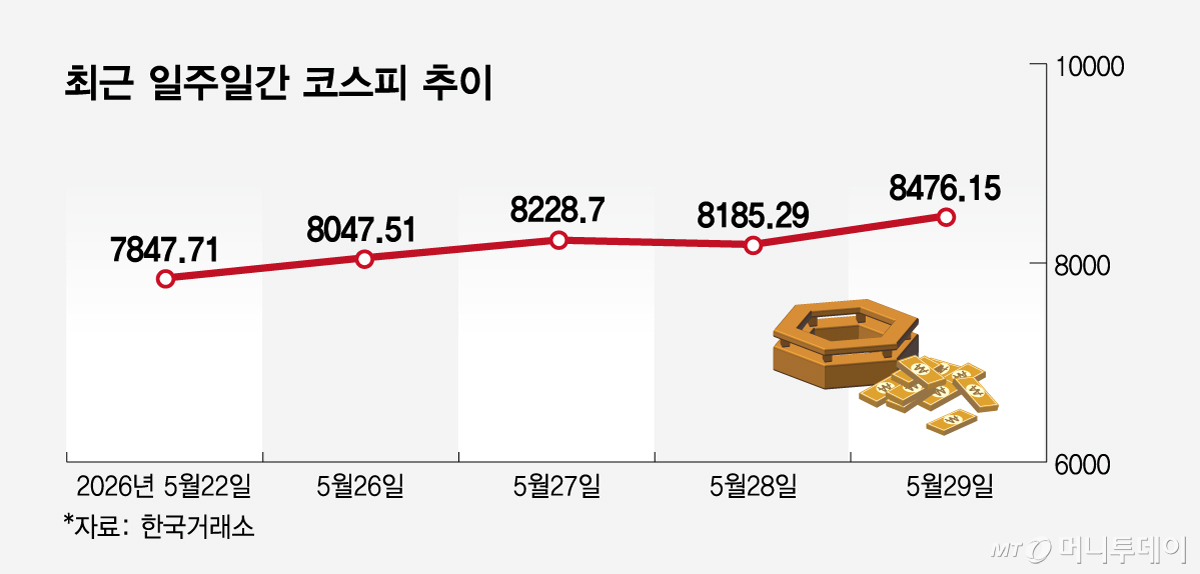
Although the KOSPI continues to hit all-time highs, the heavy concentration in semiconductor stocks like Samsung Electronics and SK Hynix is becoming a point of concern. As of the 29th, the top traded stocks were dominated by semiconductor-related names, including SK Hynix, Samsung Electronics, and Samsung Electro-Mechanics.
2. Key Drivers of Volatility
① Aggressive Retail Buying Retail investors’ 6 trillion won in net buying on the 2nd provided a critical floor for the KOSPI, reflecting a recovery in confidence in domestic stocks.
② Semiconductor Concentration With Samsung Electronics and SK Hynix leading the market, the index’s growth is becoming increasingly skewed. Higher dependence on these two stocks increases volatility risks in the face of external shocks.
③ Eased Concerns over National Pension Service (NPS) Selling Concerns regarding a potential "selling bomb" from the NPS have largely faded as the fund has opted to expand its domestic equity allocation.
3. Macro Factors and Economic Indicators
① Exchange Rate Volatility The KRW/USD exchange rate is currently hovering between 1,507 and 1,513. Generally, a weaker won (higher exchange rate) pressures the domestic stock market, as foreign investors may see their returns offset by currency fluctuations, making exchange rate management a key issue.
② Government Reshoring Initiatives The government is pushing policies to encourage Korean companies to return home by offering incentives and flexible subsidies for strategic industries, which is expected to boost domestic corporate earnings.
③ Strong Export Performance News of strong exports in May helped propel the KOSPI toward the 8,800 level, a signal interpreted as an improvement in economic health.
4. Summary and Investor Notes
While the KOSPI is setting record highs on the back of strong fundamentals in the semiconductor sector and exports, volatility is intensifying due to high concentration in specific stocks. Despite strong retail support and positive news from the NPS, the heavy reliance on semiconductors and exchange rate volatility remain risks to watch.
Investors should closely monitor ① excessive sector concentration in semiconductors, ② exchange rate fluctuations (particularly high rates above 1,510 won), and ③ shifts in foreign investor flow. For a sustainable rally, diversification into sectors beyond semiconductors is necessary.
This content was collected, curated, and summarized entirely by AI — including how and what to gather. It may contain inaccuracies. Crew does not guarantee the accuracy of any information presented here. Always verify facts on your own before acting on them. Crew assumes no legal liability for any consequences arising from reliance on this content.
Powered by
