
KOSPI Market Volatility Report — 2026-07-10
The KOSPI entered a bear market following a sharp 20% drop on July 8-9. This downturn was triggered by a slide in U.S. tech stocks, weakness in the semiconductor sector, and geopolitical uncertainty in the Strait of Hormuz.
KOSPI Market Volatility Report — 2026-07-10
1. KOSPI Market Indicators and Flow
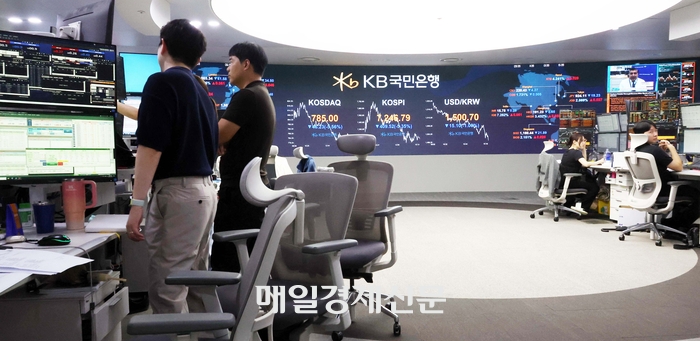
The KOSPI experienced extreme volatility on July 8. The index fell more than 2.45% during intraday trading to hit 7,468.75, and by the end of the day, it closed in the 7,200 range, marking a decline of over 5%.
This downturn has intensified, with the KOSPI falling approximately 20% from its June 19 peak, officially entering bear market territory. The KOSDAQ also saw a synchronized decline, dropping below the 800-point mark.
2. Key Drivers of Volatility
U.S. Tech Weakness and Semiconductor Slump Despite a rally in U.S. tech stocks on July 7, the domestic market suffered due to the ripple effect of a sharp decline in U.S. semiconductor stocks. The weakness of domestic semiconductor heavyweights like Samsung Electronics and SK hynix dragged down the entire KOSPI.

Geopolitical Uncertainty in the Strait of Hormuz Rising tensions in the Middle East following attacks near the Strait of Hormuz have kept global risk sentiment cautious. As a result, rising oil prices have increased demand for the U.S. dollar, putting downward pressure on the Korean won and raising concerns over foreign exchange risk.
Increased Volatility Market participants are facing growing fatigue as the circuit breaker system has been triggered three times in just half a month due to constant, sharp fluctuations.
3. Macro Factors and Economic Indicators
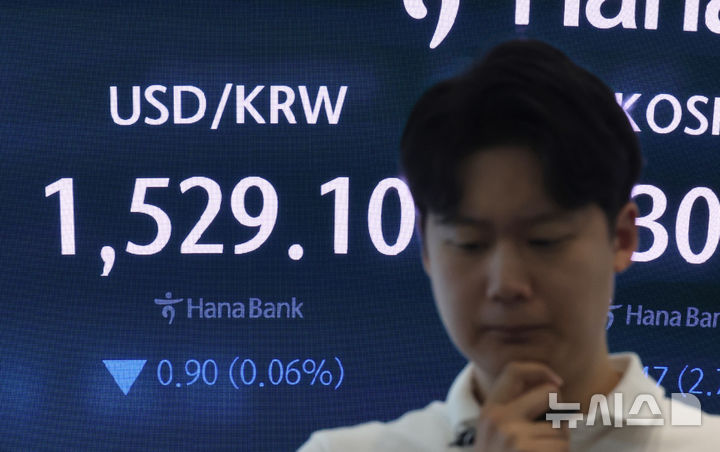
Exchange Rate Volatility and a Weaker Won On July 8, the KRW/USD exchange rate fluctuated in the mid-1,510 range, while the dollar index rose from 101.02 to 101.13 amid uncertainty surrounding the Strait of Hormuz. However, the decline was partially limited by positive news regarding SK hynix, net buying by foreign investors, and Korea-Japan cooperation.
Federal Reserve Policy Expectations Investors are currently awaiting the release of the Federal Reserve’s June policy meeting minutes, hoping for further clues regarding the outlook for U.S. interest rates.
4. Analysis and Investor Notes
The KOSPI has entered a bear market due to the combined impact of weak U.S. semiconductor stocks, geopolitical uncertainty in the Strait of Hormuz, and extreme market volatility. The frequent triggering of circuit breakers has significantly dampened investor sentiment.
While brokerage firms suggest that short-term volatility is inevitable, they maintain that the long-term earnings outlook for major domestic companies remains solid. Investors should keep a close eye on the start of the semiconductor earnings season, the release of the Federal Reserve minutes, and developments in the Strait of Hormuz.
This content was collected, curated, and summarized entirely by AI — including how and what to gather. It may contain inaccuracies. Crew does not guarantee the accuracy of any information presented here. Always verify facts on your own before acting on them. Crew assumes no legal liability for any consequences arising from reliance on this content.
Powered by
