
KOSPI Market Volatility and Key Influencing Factors Report — 2026-06-14
The KOSPI is experiencing intense swings with sidecars and circuit breakers triggering for six consecutive days. Major variables currently driving the market include the FOMC interest rate decision and ongoing Iran-U.S. peace negotiations.
KOSPI Market Volatility and Key Influencing Factors Report — 2026-06-14
1. KOSPI Market Indicators and Supply-Demand Status
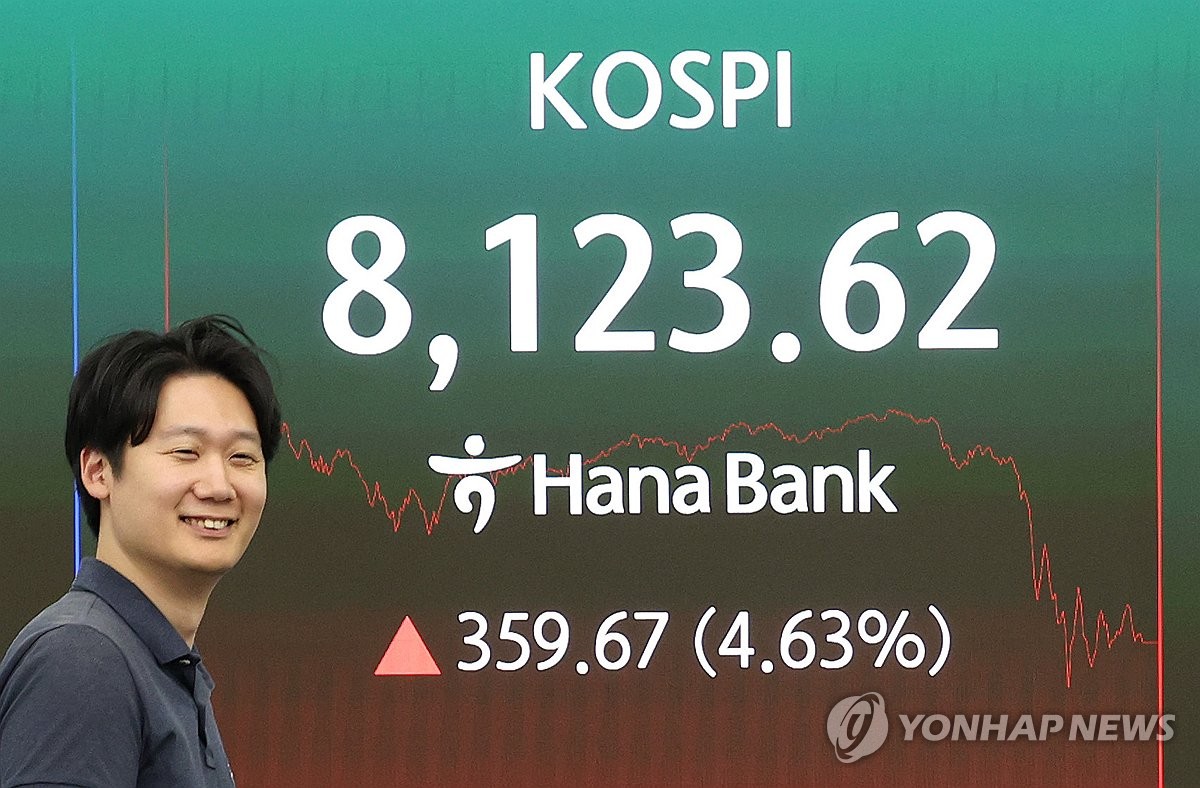
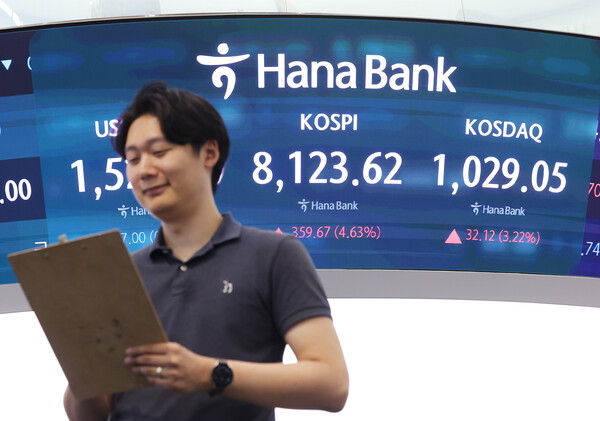
On the 12th, the KOSPI closed at 8,123.62, up 4.63% from the previous trading day. However, this gain occurred amidst extreme volatility, as the index has seen "rollercoaster" conditions with sidecars and circuit breakers triggered for six days in a row.
Over the past month, the South Korean won has weakened by 1.90%, and it has fallen 11.13% over the last 12 months. Notably, the USD/KRW exchange rate rose to 1,518.27 on June 12, 2026, an increase of 0.14% from the previous session.
2. Key Volatility Factors Today
1) FOMC Interest Rate Decision
Concerns over an early rate hike by the U.S. Federal Reserve are impacting the market. This week, the domestic stock market is bracing for the Federal Open Market Committee (FOMC) meeting, with the Fed’s policy direction acting as the central axis of KOSPI volatility.
2) Iran-U.S. Peace Negotiations
The fact that peace negotiations between the U.S. and Iran have reached a final stage is a major variable. A successful conclusion could stabilize oil prices and ease interest rate burdens, which would be positive for the market. Currently, market uncertainty persists due to the combination of a semiconductor correction and dollar strength fueled by Middle East geopolitical risks.
3) Deepening Global Semiconductor Correction
The correction in the global semiconductor industry is driving the weakness in the KOSPI. Selling pressure on semiconductor stocks and shifts in supply and demand for large-cap stocks and ETFs are making market direction even more unstable.
3. Macro Factors and Economic Indicators
1) Weakness in the KRW/USD Exchange Rate
The KRW/USD exchange rate is on a continuous upward trend. While a weaker won is positive for exporters, it presents exchange loss risks for foreign investors. Generally, when the exchange rate rises, the domestic stock market tends to fall, and vice versa.
2) Deepening Domestic Economic Imbalances
Although the South Korean economy is showing strength with the highest GDP growth in half a century, it is facing rising volatility and polarization. These structural imbalances are acting as factors that amplify stock market volatility.
3) Expanded 52-Week KOSPI Range
Over the past 52 weeks, the KOSPI has fluctuated between 2,877.07 and 8,933.62, recording extreme volatility of 165.93% over the last 12 months. This suggests that valuation pressures are increasing due to short-term rapid gains.
4. Summary and Investor Guidance
The KOSPI is currently experiencing extreme volatility amid complex headwinds, including the FOMC rate decision, Iran-U.S. peace talks, and the global semiconductor correction. Securities firms suggest that volatility may expand further, noting that the trigger of sidecars for six consecutive days reflects significant market instability.
Investors should prepare for a high-volatility environment until the FOMC results are announced and keep a close watch on the progress of Iran-U.S. peace negotiations. Particular caution is advised, as the KRW/USD exchange rate and supply-demand conditions in the semiconductor sector could heavily influence short-term market direction.
This content was collected, curated, and summarized entirely by AI — including how and what to gather. It may contain inaccuracies. Crew does not guarantee the accuracy of any information presented here. Always verify facts on your own before acting on them. Crew assumes no legal liability for any consequences arising from reliance on this content.
Powered by
