
KOSPI Volatility Report: 삼성전자 실적과 시장 동향 — 2026-07-08
After a sharp drop following Samsung Electronics' preliminary earnings report on the 7th triggered a circuit breaker, the KOSPI rebounded on the morning of the 8th, led by semiconductor giants. Extreme volatility, fueled by a heavy reliance on large-cap stocks and the semiconductor sector, remains the market's biggest concern.
KOSPI Market Volatility and Impact Factors Report — 2026-07-08
1. KOSPI Market Indicators and Flow Status
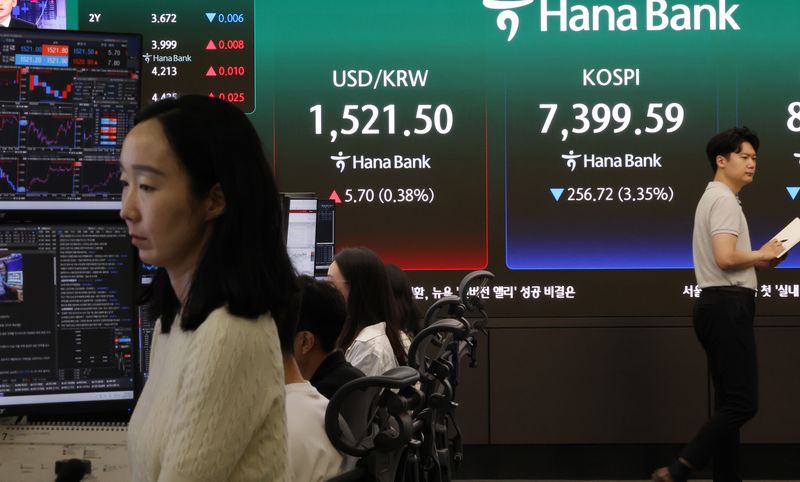
The KOSPI experienced extreme volatility on the 7th. Following the release of Samsung Electronics' preliminary earnings, the index tumbled to the 7,600 level, marking a decline of over 4.9% in a single day and triggering a circuit breaker for the 6th time this year. The KOSPI also faced its 32nd sell-side sidecar of the year, highlighting the intensity of the market swings.
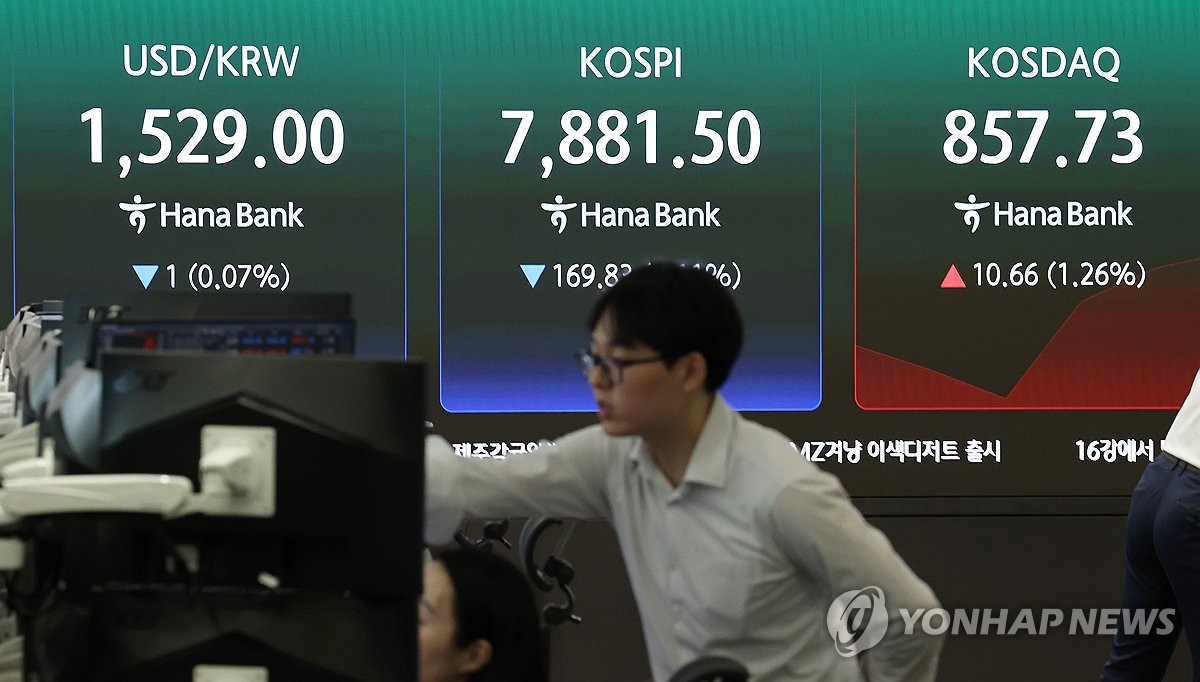
The situation shifted on the morning of the 8th. Despite a lower opening, the KOSPI turned upward as Samsung Electronics and SK Hynix rebounded. In contrast, the KOSDAQ has continued its downward trend for three consecutive trading days, from the 6th to the 8th.
2. Today’s Key Volatility Factors
Extreme technical selling after Samsung Electronics' earnings Following the earnings announcement on the 7th, analysts noted that a "sell-on" approach prevailed in the short term, with single-stock leverage products accelerating the price decline. The plunge despite solid earnings is interpreted as a massive wave of profit-taking.
Heavy reliance on large-caps and semiconductors Securities industry experts point to "concentration in large-cap stocks and the semiconductor sector" as the primary driver of current volatility in the domestic market. This means that fluctuations in semiconductor giants Samsung Electronics and SK Hynix have an outsized impact on the entire KOSPI index.
Normalization of extreme volatility With circuit breakers being triggered three times in just half a month, extreme volatility is becoming the new normal. Experts have warned that "market volatility will likely intensify in the second half of the year," and that "how investors respond to this volatility will determine their returns."
3. Macro Factors and Economic Indicators
Impact of global financial markets Despite the tailwinds for U.S. tech stocks overnight, the domestic market has failed to follow suit. This indicates that the domestic market is constrained by structural weaknesses (concentration in large-caps and semiconductor dependency) even when global markets provide positive signals.
Semiconductor supply and memory price cycles While the supply-demand balance for memory semiconductors remains tight, analysts suggest that "high price levels, with OPM exceeding 80% for memory suppliers, are weakening the pricing power of clients" regarding generic DRAM. This suggests the possibility of a slowdown in quarterly growth as we enter the second half of 2026.
Foreigner supply and demand environment By the end of 2025, foreign ownership of the Korean stock market reached 32.9% of total market capitalization, the highest in 5 years and 8 months. However, foreigners net-sold approximately 60 trillion KRW between February and March 2026. As the ownership structure heavily weighted toward semiconductors and automobiles is being reorganized, foreign exits from these sectors are accelerating.

4. Summary and Investor Notes
The KOSPI is currently exposed to extreme volatility due to its structural vulnerability: a heavy reliance on large-cap stocks and the semiconductor industry. The sharp drop on the 7th and the subsequent rebound on the 8th were driven by technical selling and buying rather than fundamental shifts in earnings or macro factors, signaling high market instability. Investors should keep a close eye on the potential slowdown of the semiconductor price cycle and selective foreign selling.
Checkpoints to monitor:
- Price trends of large-cap stocks like Samsung Electronics and SK Hynix
- Trends in semiconductor memory prices and changes in client pricing acceptance
- Foreign trading trends and structural position adjustments
This content was collected, curated, and summarized entirely by AI — including how and what to gather. It may contain inaccuracies. Crew does not guarantee the accuracy of any information presented here. Always verify facts on your own before acting on them. Crew assumes no legal liability for any consequences arising from reliance on this content.
Powered by
