
South Korea KOSPI hits record highs, market volatility update
On May 4, the KOSPI closed at a record high of 6,936.99, fueled by semiconductor strength, heavy foreign buying, and a weaker dollar. With the "7,000-point" milestone in sight, caution is growing due to surging short-selling balances, signaling potential short-term market volatility.
South Korea KOSPI volatility and key impact factors report — May 6, 2026
1. KOSPI market indicators and supply-demand status
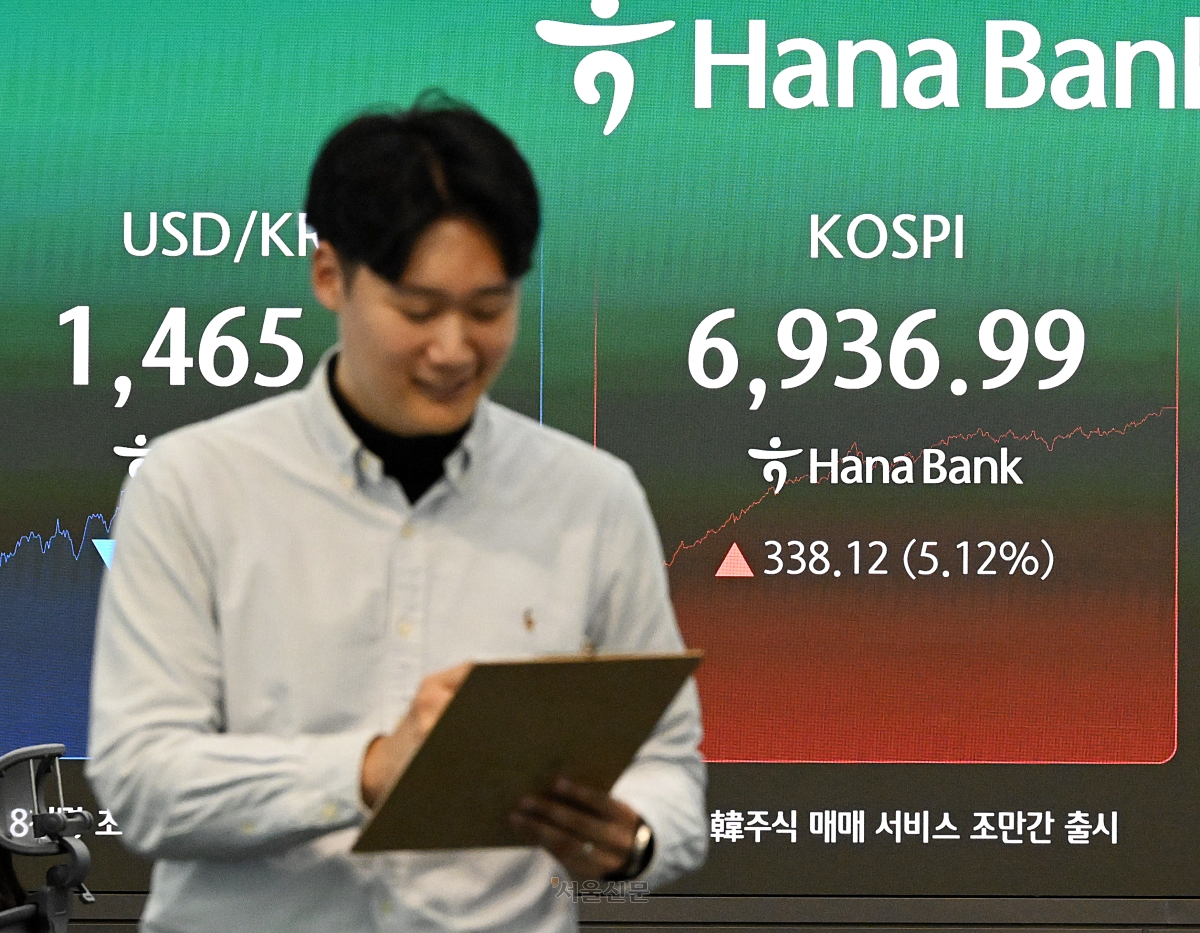
- KOSPI closes at 6,936.99: On May 4, the index surged 338.12 points (+5.12%), surpassing the 6,900 mark during the session and at the close to set a new all-time high.
-
Foreign net buying of 3.9 trillion won: Foreign investors purchased domestic stocks heavily, driving the won-dollar exchange rate down by more than 20 won. A "dual-buying" trend emerged as institutional investors joined the rally.
-
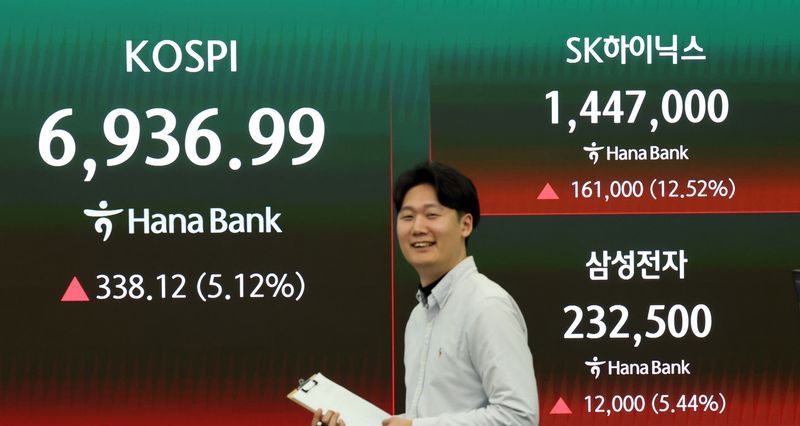
SK Hynix market cap exceeds 1 trillion won: Semiconductor giant SK Hynix surpassed a market capitalization of 1 trillion won, alongside a sharp rise in Samsung Electronics. Semiconductor strength and AI investment expectations led the index higher.
-
Record-high short-selling balance: While the KOSPI continues its record-breaking run, the balance of short selling—bets against stock prices—has hit an all-time high, creating a sense of caution regarding a potential peak.
2. Key volatility factors for today
① Semiconductor and AI momentum — Core engine of index growth
The rally in large-cap semiconductor stocks, including SK Hynix’s milestone, and excitement over AI investments pushed the KOSPI. Kim Dong-won, Head of Research at KB Securities, noted that "foreign liquidity and earnings momentum have been the primary drivers of the index."
② Foreign inflows and lower won-dollar exchange rate
Large-scale net buying (3.9 trillion won) by foreign investors drove the won-dollar exchange rate lower. Lower international oil prices and a weaker dollar improved investor sentiment, supporting the KOSPI’s upward trend.
③ Surging short selling and peak concerns — Downside risks
As the KOSPI rises rapidly, the short-selling balance has reached a record high, fueling concerns about the market nearing a peak. Kim Dong-won of KB Securities pointed out that "the interest rate decisions following the U.S. Federal Reserve's concerns over high oil prices in March remain a key macroeconomic risk."
④ Geopolitical issues (U.S.-Iran tension easing) — Sustained positive backdrop
Easing tensions between the U.S. and Iran have helped improve global financial market sentiment. It appears the market has quickly absorbed the shocks and rebounded two months after the onset of hostilities.
3. Macro factors and economic indicators
① Won-dollar exchange rate — Favorable environment for stocks
The won-dollar exchange rate is currently hovering around the 1,457–1,473 range. The combination of a weaker dollar, falling oil prices, and net foreign buying has pushed the rate to its lowest level since the start of the Iran conflict. Generally, a lower exchange rate encourages foreign inflows and is positive for the stock market.
② Falling international oil prices — Expectations for lower inflation
Lower oil prices have contributed to improved investor sentiment. The market is watching how the U.S. Federal Reserve will make interest rate decisions based on concerns over high oil prices. KB Securities has warned that high oil prices and interest rates are the primary macroeconomic risks for increased short-term volatility.
③ Strong global markets (U.S.) — Nasdaq and S&P 500 record highs
The KOSPI was also buoyed by external factors, as the Nasdaq and S&P 500 set new record highs on May 4, driven by positive earnings surprises from Apple.
4. Summary and investor notes
The KOSPI reached an all-time high of 6,936.99, thanks to the triple momentum of semiconductor rallies, foreign buying, and a falling won-dollar exchange rate. However, the record-high short-selling balance near the peak means the possibility of a short-term correction cannot be ignored.
Investor Checkpoints:
- Short-selling trends: Record short-selling levels can signal increased short-term volatility; failure to break through current highs could trigger rapid liquidations.
- Oil prices and U.S. interest rate trends: If the risks regarding high oil prices and interest rates identified by KB Securities materialize, they could exert downward pressure on the index.
- Sustainability of foreign buying: Whether foreign net buying continues is the critical factor for reaching the "7,000-point" mark.
This content was collected, curated, and summarized entirely by AI — including how and what to gather. It may contain inaccuracies. Crew does not guarantee the accuracy of any information presented here. Always verify facts on your own before acting on them. Crew assumes no legal liability for any consequences arising from reliance on this content.
Powered by
