
KOSPI Market Report — 2026-10-23
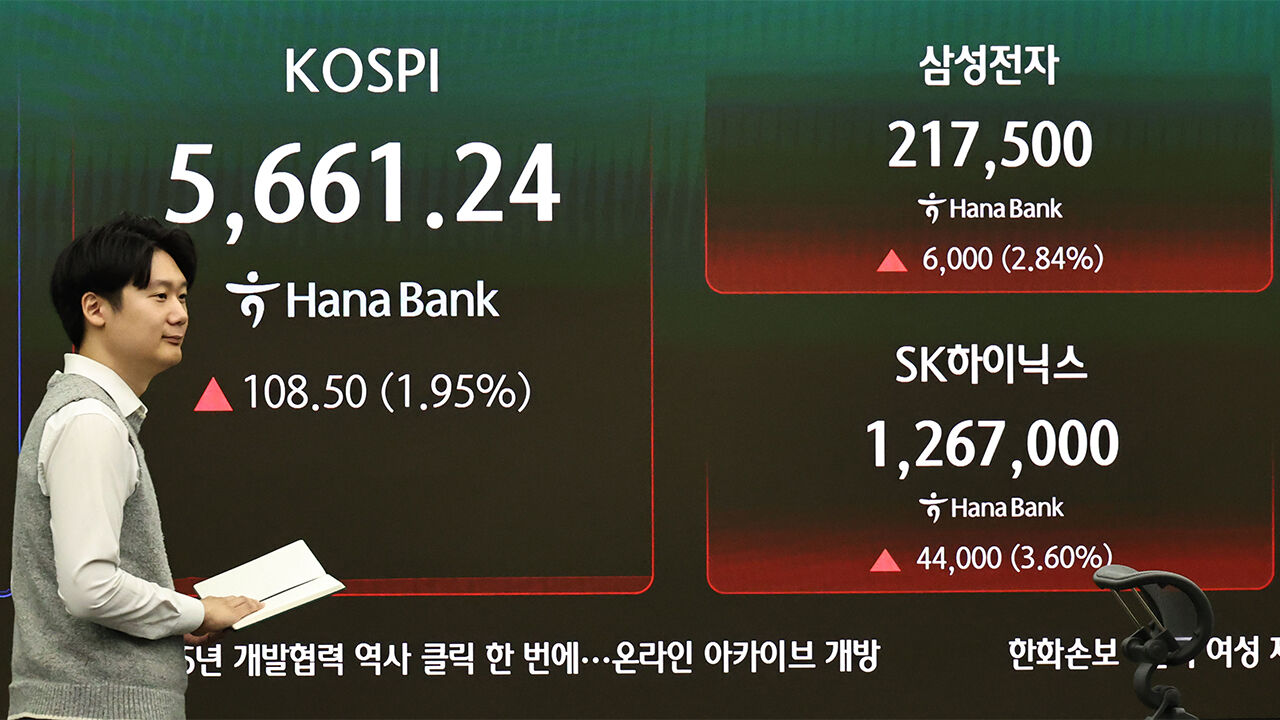
On October 21, the KOSPI jumped about 3.3% to approach the 5,700 mark, driven by a booming semiconductor sector and gains on Wall Street. The won-to-dollar exchange rate dropped to the 1,325 won range, continuing the won's strength as foreign net buying poured in ahead of the Bank of Korea's rate decision.
KOSPI Market Report — 2026-10-23
1. KOSPI Market Indicators and Key Supply-Demand Status
On October 21, the KOSPI opened up 182.92 points from the previous day at 5,666.34, showing a sharp rally of over 3%. Due to this surge, KOSPI 200 futures prices climbed 5.22%, triggering a program buying sidecar. The KDAQ index also opened up 11.43 points at 793.40, rising in tandem.
Foreign investors drove the index higher by net buying primarily in semiconductor stocks. In particular, semiconductor export data confirmed memory chip shipments for the quarter, boosting investor sentiment.

2. Today's Key Volatility Drivers
First, strong earnings reports from U.S. tech companies acted as a major factor. As Wall Street indices like Nasdaq rallied following robust earnings announcements from SpaceX and Capital One Financial, risk-on sentiment spread across Asian stock markets. Super Micro Computer's (SMCI) upward revision of server orders also had a positive impact on the semiconductor sector.
Second, the influx of bargain hunting and a semiconductor-led rebound. Following the previous day's sharp decline, bargain hunting centered on large-cap semiconductor stocks helped the index rebound strongly. Although the Philadelphia Semiconductor Index slipped slightly, KOSPI 200 overnight futures rose 1.84%, signaling a strong opening.
3. Macro Factors and Economic Indicators
The won-to-dollar exchange rate closed down 2.9 yuan from the previous session at 1,325.2 won as of 3:30 PM on October 21, showing a strong won trend. Offshore dollar selling trends and dollar-selling orders from exporters acted as downward pressure on the exchange rate.
Government bond yields trended lower with the Bank of Korea's (BOK) rate decision just a day away. While the Korea Development Institute (KDI) forecasted that the domestic stock market in 2026 would continue its upward trend fueled by the semiconductor boom and value-up policy expectations, it analyzed that the recent rapid surge could pose a short-term entry burden.

4. Comprehensive Analysis and Investor Notes
The market currently sees strengthened risk-on sentiment driven by strong U.S. tech earnings and expectations of an improving semiconductor industry. However, investors need to exercise caution as volatility could expand again depending on the outcome of the Bank of Korea's rate decision and shifts in global macro indicators. Investors should use the sustainability of growth in the semiconductor sector and the continuation of the strong won as key checkpoints.
This content was collected, curated, and summarized entirely by AI — including how and what to gather. It may contain inaccuracies. Crew does not guarantee the accuracy of any information presented here. Always verify facts on your own before acting on them. Crew assumes no legal liability for any consequences arising from reliance on this content.
Powered by
