
Korea’s KOSPI Market Volatility Report — 2026-05-04
The KOSPI saw a world-leading 30% gain in April. As it approaches the 7,000 line in early May, volatility is climbing due to high exchange rates, U.S. interest rate uncertainty, and Middle East risks. New factors like the upcoming 2x leverage ETFs for Samsung Electronics and SK hynix, along with rising "debt-fueled" investments, are fueling further concern.
Korea’s KOSPI Market Volatility Report — 2026-05-04
1. KOSPI Market Indicators and Flow Status
- Approaching the 7,000 Mark: With the KOSPI nearing the 7,000 level, there are mixed views on whether the current momentum can be sustained. While the index continues to reach new highs, the Volatility Index (VKOSPI) is also rising, signaling growing market tension.
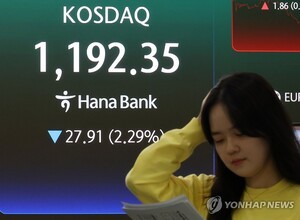
- World’s Top April Growth (+30% range): In April, the KOSPI was the only major global index to record a 30% growth rate. After a sharp drop in March due to the Middle East conflict, the rally was led by strong performances from semiconductor firms like Samsung Electronics and SK hynix.
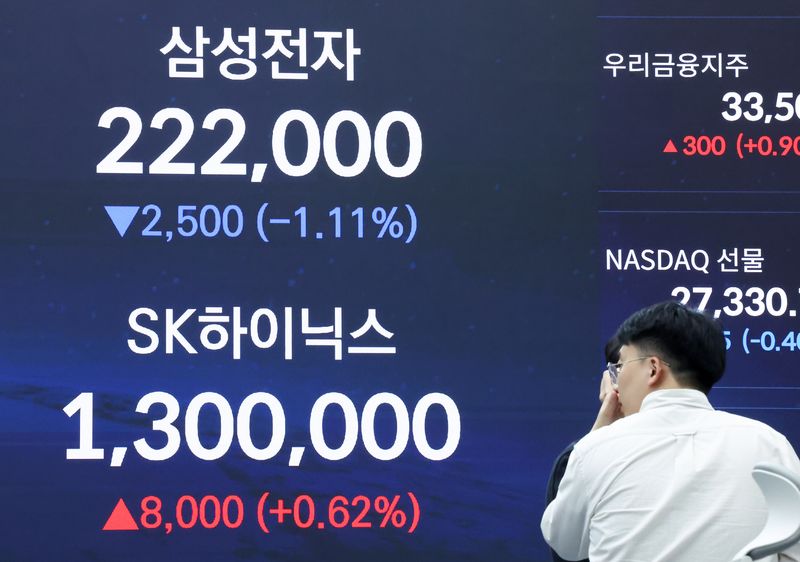
- USD/KRW Exchange Rate (as of 2026-05-01): The USD/KRW rate stood at 1,471.02 won, down 0.21% from the previous trading day. While the won has strengthened by 2.60% over the last month, it remains 5.08% weaker over a 12-month period.
2. Key Volatility Factors Today
① Launch of Samsung Electronics/SK hynix 2x Leverage ETFs — Volatility Alert
90% of CEOs from the top 10 securities firms warn that the 2x leverage ETFs for Samsung Electronics and SK hynix, set to launch on the 22nd, will likely increase market volatility. While they may boost the market during upturns, there are concerns they could amplify instability during downturns.
② High Exchange Rates and U.S. Rate Uncertainty — Constrained Foreign Inflow
High exchange rates and uncertainty regarding U.S. interest rates have slowed foreign buying, causing the KOSPI to fluctuate around the 6,700 level. As of May 2026, prolonged negotiations and high oil prices are increasing uncertainty in exchange rate forecasts.
③ Middle East Risk — Recurring Tension Cycles
While military tensions in the Middle East have not fully dissipated, hopes for a ceasefire and oil price stability have provided some relief. The cycle of escalating and easing tensions in the region has remained a major variable in recent KOSPI volatility tests.
3. Macro Factors and Economic Indicators
① USD/KRW Exchange Rate — Inverse Correlation with Stocks
There is an inverse relationship where the domestic market often falls when the USD/KRW rate rises, and vice-versa. For foreign investors, currency translation losses can negate gains from stock price appreciation. As of May 1, the won’s 2.60% strengthening over the past month has created an environment supporting KOSPI growth.
② U.S. FOMC and Big Tech Earnings — Key Catalysts This Week
This week, the KOSPI is expected to be driven by U.S. FOMC results and major tech company earnings. After last week’s surge past 6,500, these announcements are considered the pivotal turning points that will define the market's direction.
③ Record High "Debt-Fueled" Investments (Credit Trading) — Overheating Risks
As the KOSPI hits record highs, the volume of debt-fueled investments (credit trading) has reached an all-time peak. This is interpreted as a signal of short-term overheating, raising concerns that a market decline could lead to forced liquidations (margin calls) that amplify volatility.
4. Analysis and Investor Notes
The KOSPI continues its bull run following a world-leading performance in April, but as it faces the 7,000-point threshold, investors are contending with a complex mix of risks: leverage ETF launches, high exchange rates, U.S. interest rate uncertainty, and rising debt-fueled investments. This week’s U.S. FOMC results and big tech earnings will be critical. Investors should note that the fear index (VKOSPI) is rising alongside the market, and keep a close eye on the May 22nd launch of single-stock leverage ETFs. Monitoring Middle East risks and oil price stability remains essential as the market balances growth potential against discount rate burdens.
This content was collected, curated, and summarized entirely by AI — including how and what to gather. It may contain inaccuracies. Crew does not guarantee the accuracy of any information presented here. Always verify facts on your own before acting on them. Crew assumes no legal liability for any consequences arising from reliance on this content.
Powered by
