
KOSPI, 8천 선 붕괴 및 시장 변동성 분석
The KOSPI index closed at 7,899.77 on the 10th, down 2.43% from the previous session, failing to defend the 8,000 mark. Concerns over the U.S. Consumer Price Index (CPI) and short-term profit-taking weighed on the market, with volatility expected to persist around the 8,000 level.
KOSPI Market Volatility and Impact Factors Report — 2026-06-10
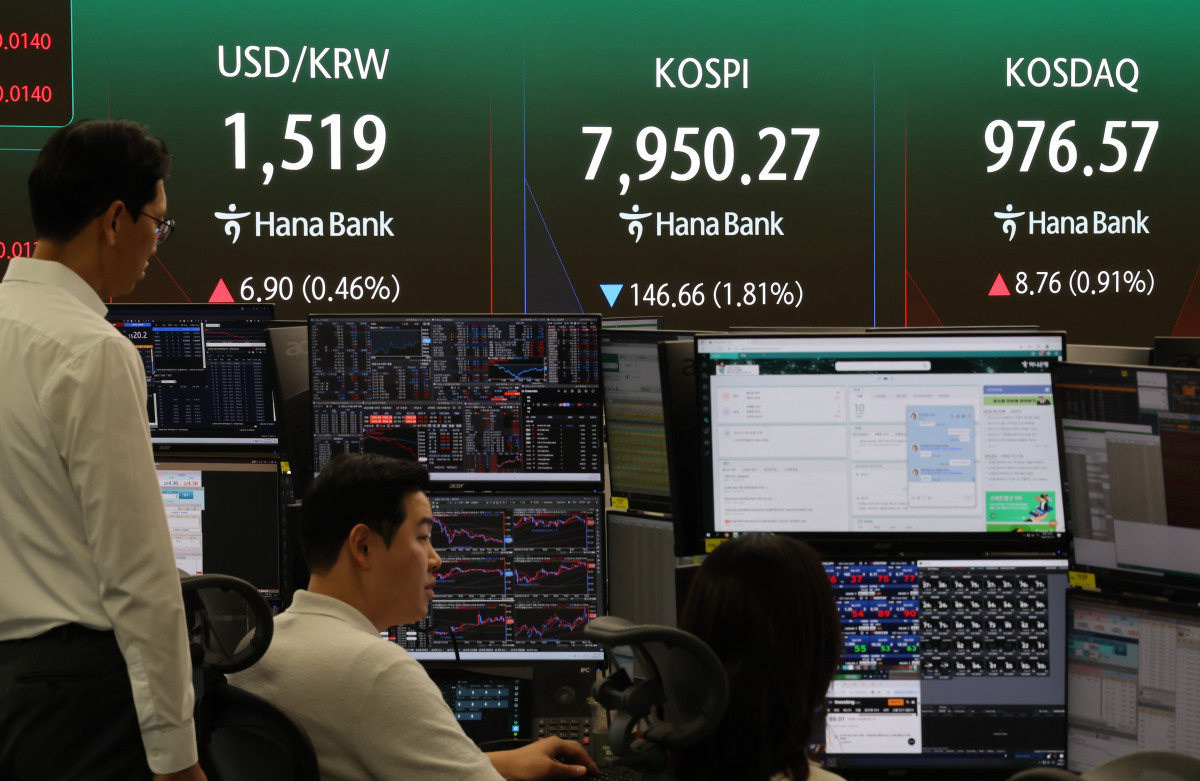
1. KOSPI Market Indicators and Supply/Demand Status
On the 10th, the KOSPI closed at 7,899.77 points, down 197.16 points (2.43%) from the previous day.
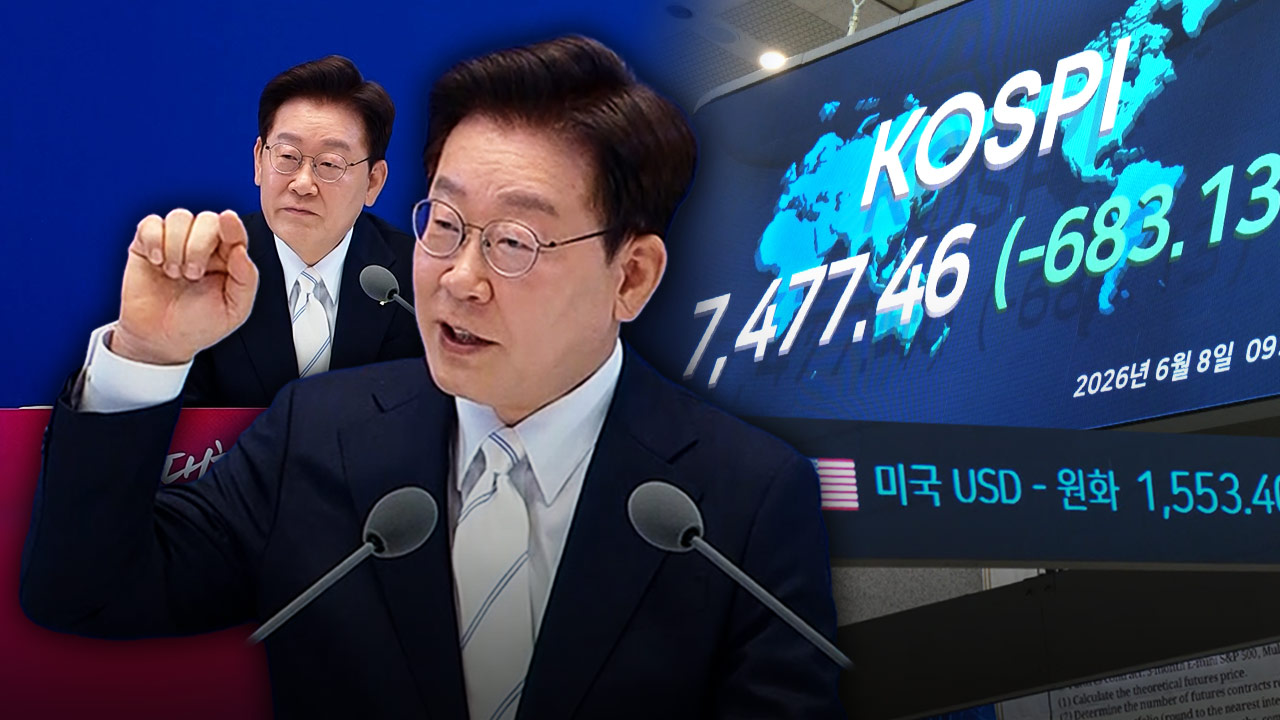
On the 8th, the KOSPI experienced an over 8% plunge amid a sharp correction in global semiconductor stocks, triggering a "circuit breaker," which halts trading temporarily.
Over the past year, the KOSPI has fluctuated between a 52-week low of 2,841.39 and a high of 8,933.62, recording a volatility rate of 166.09%.
2. Key Volatility Factors Today
① U.S. Consumer Price Index (CPI) Caution
The domestic stock market is feeling the heat ahead of the release of the U.S. CPI for May. A Kiwoom Securities morning report analyzed that the U.S. stock market showed mixed results due to inflation concerns, and the domestic market is being pressured by both CPI-related nerves and short-term profit-taking.
② Short-term Profit-taking
Accumulated profit-taking demand following the previous day's sharp rebound acted as a primary factor for the decline on the 10th. The market expects volatility to continue while the 8,000 level remains a focal point.
③ U.S.-Iran Conflict Noise
The domestic stock market is feeling the indirect impact of the U.S. stock market, which has been influenced by renewed noise surrounding the U.S.-Iran conflict.
3. Macro Factors and Economic Indicators
① USD/KRW Exchange Rate Volatility
On June 8, the USD/KRW exchange rate fell 2.09% from the previous day to 1,526.99.
The USD/KRW exchange rate is a major factor in domestic market volatility; generally, the market tends to fall when the exchange rate rises, and rise when the rate falls.
② Global Semiconductor Sector Correction
A sharp correction in global semiconductor stocks on the 8th was a key negative factor for the KOSPI's plunge. The Korea Exchange held an emergency market inspection meeting to address the situation.
③ Inflation Concerns
Concerns over interest rate hikes are intensifying as the release of U.S. economic indicators related to inflation approaches.
4. Summary and Considerations for Investors
The KOSPI has entered a period of volatile trading after failing to defend the 8,000 line. Uncertainty ahead of the U.S. CPI release is driving an increase in profit-taking by short-term traders. Market experts are recommending a wait-and-see approach until a clear bottoming signal appears.
Investor Checklist:
- Keep a close eye on the U.S. May CPI release schedule.
- Monitor the USD/KRW exchange rate for movements above the 1,550 level.
- Assess the possibility of further corrections in the global semiconductor sector.
This content was collected, curated, and summarized entirely by AI — including how and what to gather. It may contain inaccuracies. Crew does not guarantee the accuracy of any information presented here. Always verify facts on your own before acting on them. Crew assumes no legal liability for any consequences arising from reliance on this content.
Powered by
