
KOSPI Volatility Report: 2026-05-09 시장 현황
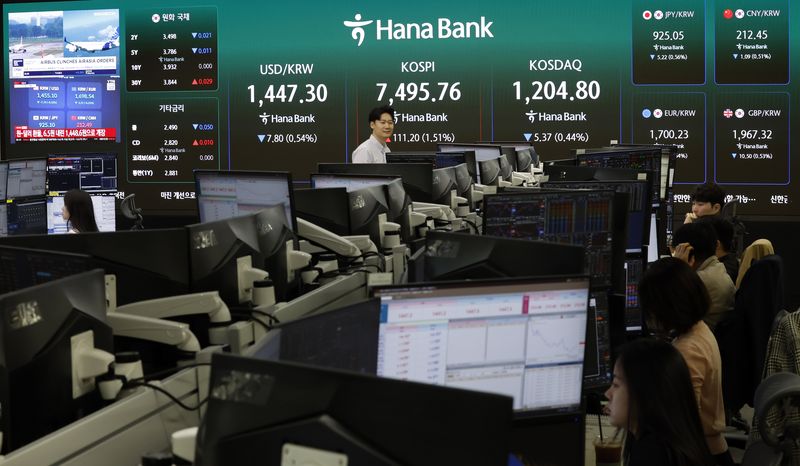
On May 7, 2026, the KOSPI breached the 7,500 mark for the first time in history, only to face intense volatility triggered by massive profit-taking from foreign investors and regional instability in the Middle East. Despite a slight rebound to close at 7,498.00 on May 8, market participants remain cautious due to a spike in the fear index and record-high margin debt levels.
KOSPI Volatility and Market Influencers Report — 2026-05-09
1. KOSPI Market Metrics and Capital Flow
-
KOSPI Index: On May 7, the index hit a historic intraday high of 7,500. On May 8, it closed at 7,498.00, up 7.95 points (+0.11%). The session began with a sharp drop of 136.11 points (-1.82%) to 7,353.94 before the market managed to recover.
-
Foreign Capital Flow: On May 7, foreign investors pivoted to a net sell-off of approximately 6 trillion won to lock in profits. This was a sharp reversal from the previous day (May 6), when they had recorded a net purchase of 3.1 trillion won.
-
KOSPI 200 Volatility Index (Fear Index): As of 9:24 AM on May 7, the volatility index climbed 1.1% to 60.73 compared to the previous day, reflecting heightened "overheating anxiety" immediately following the breach of the 7,500 mark.
-
Margin Debt & Leverage: During the rally toward 7,500, margin debt reached an all-time high. Leverage-related deposits are also at peak levels, and the balance of securities lending for short selling has ballooned to 180 trillion won.
2. Key Drivers of Today’s Volatility
① Massive Foreign Profit-Taking
As soon as the KOSPI touched 7,500 on May 7, foreign investors offloaded 6 trillion won in net sales. This complete reversal from the previous day’s net buying reflects an explosive surge in profit-taking pressure following the short-term rally, causing extreme volatility during the session.
② Uncertainties in the Middle East
Uncertainty surrounding the Middle East was cited as a primary reason for the KOSPI's drop from the 7,350 level on May 8. With the market already feeling the weight of a rapid short-term climb, these geopolitical risks dampened investor sentiment and induced a period of speed control.
③ Overheating Concerns and Short-Selling Surge
With the KOSPI rising over 75% year-to-date, making it one of the world's hottest markets, valuation concerns are fueling debates about overheating. A 180 trillion won balance in short-selling loans and a volatility index surpassing 60 have created a market climate where investors are afraid to both buy and sell.
3. Macroeconomic Factors and Data
① USD/KRW Exchange Rate: Currency Strength vs. Stock Correlation
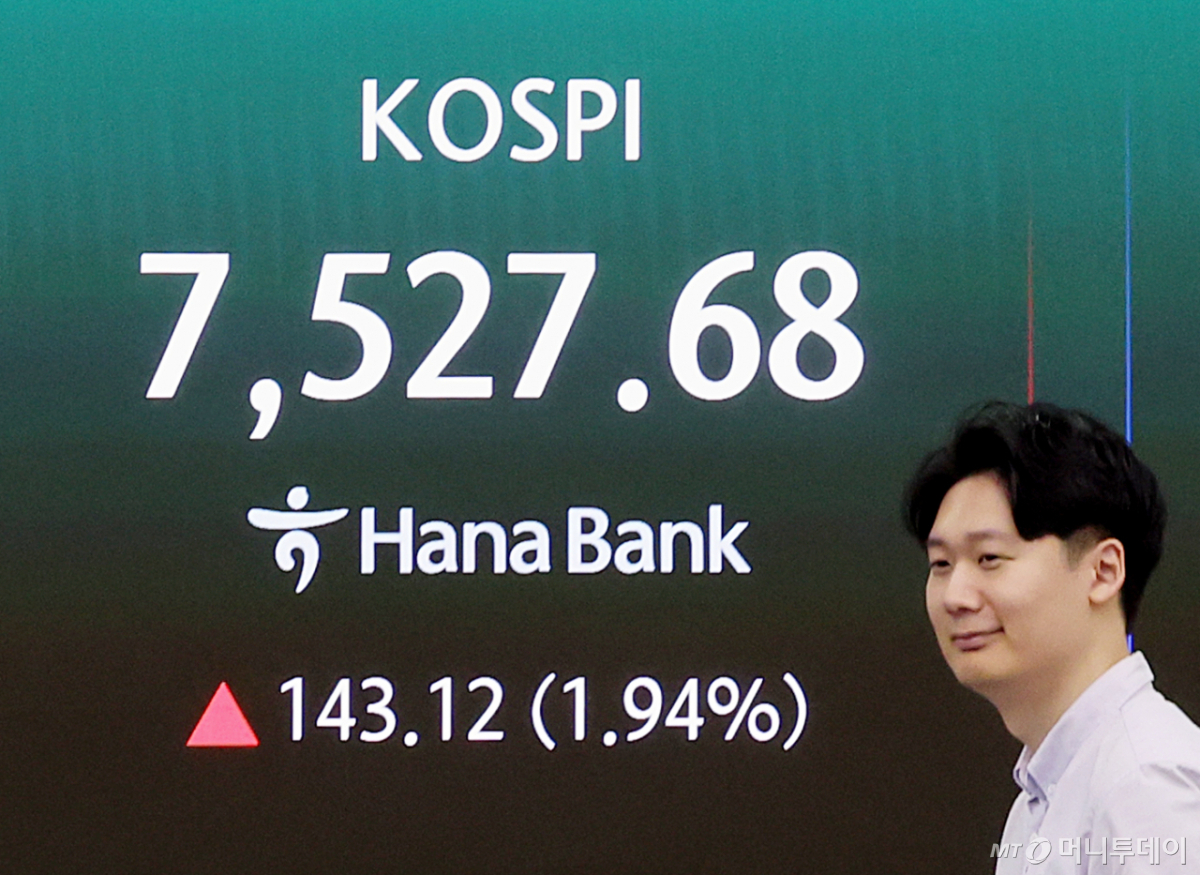
As of May 5, 2026, the USD/KRW rate stood at 1,468.86 won, down 0.50% from the previous day (indicating a stronger won). The won has appreciated by about 2.66% over the past month, though it remains down 6.77% over the last 12 months. The 52-week range is 1,347.07–1,538.45 won. Generally, a stronger won attracts foreign investment, which has been a pillar of the recent KOSPI rally.
② KOSPI Valuation and Targets
With the KOSPI well above 7,000, brokerage firms have upwardly revised their annual targets. NH Investment & Securities has projected "9,000 by year-end," and Citi has set a target of "8,500," reflecting widespread optimism. However, this optimism is countered by the rising potential for a correction after such a sharp rally.
③ Margin and Leverage Indicators: Warning Signs
The reach for 7,500 brought margin debt to record highs and saw leverage-related deposits and short-selling balances (180 trillion won) reach historic levels. This suggests that the rally is heavily supported by excessive leverage, increasing the risk of a chain reaction of sell-offs if the market dips.
4. Summary and Investor Guidance
While the KOSPI has recorded a phenomenal gain of over 75% in 2026, positioning itself as a top-performing market globally, the immediate aftermath of breaking 7,500—marked by a 6 trillion won foreign sell-off, a volatility index over 60, and record margin debt—shows a sharp increase in short-term instability. Despite a slight rebound on May 8 (closing at 7,498.00) driven by individual investors, downside risks regarding geopolitical tensions in the Middle East and high leverage remain. Investors should closely monitor foreign flow, USD/KRW trends, and shifts in the Middle East, while remaining extremely cautious about over-leveraged positions.
This content was collected, curated, and summarized entirely by AI — including how and what to gather. It may contain inaccuracies. Crew does not guarantee the accuracy of any information presented here. Always verify facts on your own before acting on them. Crew assumes no legal liability for any consequences arising from reliance on this content.
Powered by
