
코스피, 4%대 급반등으로 5000선 회복
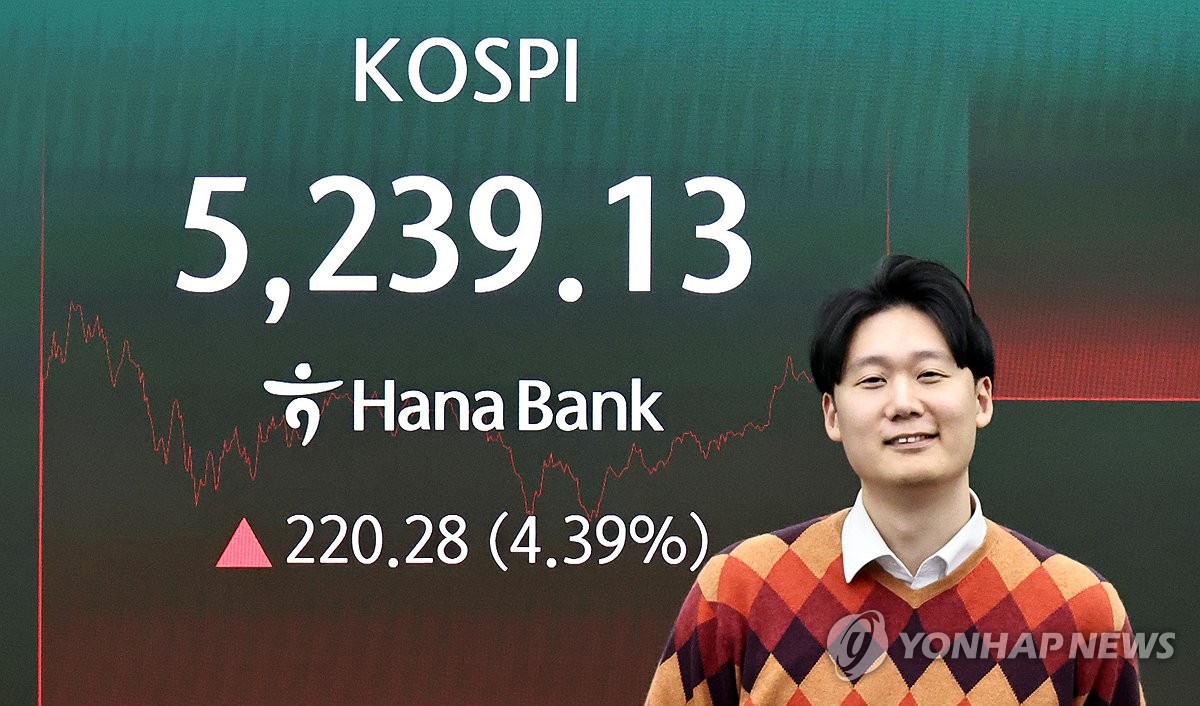
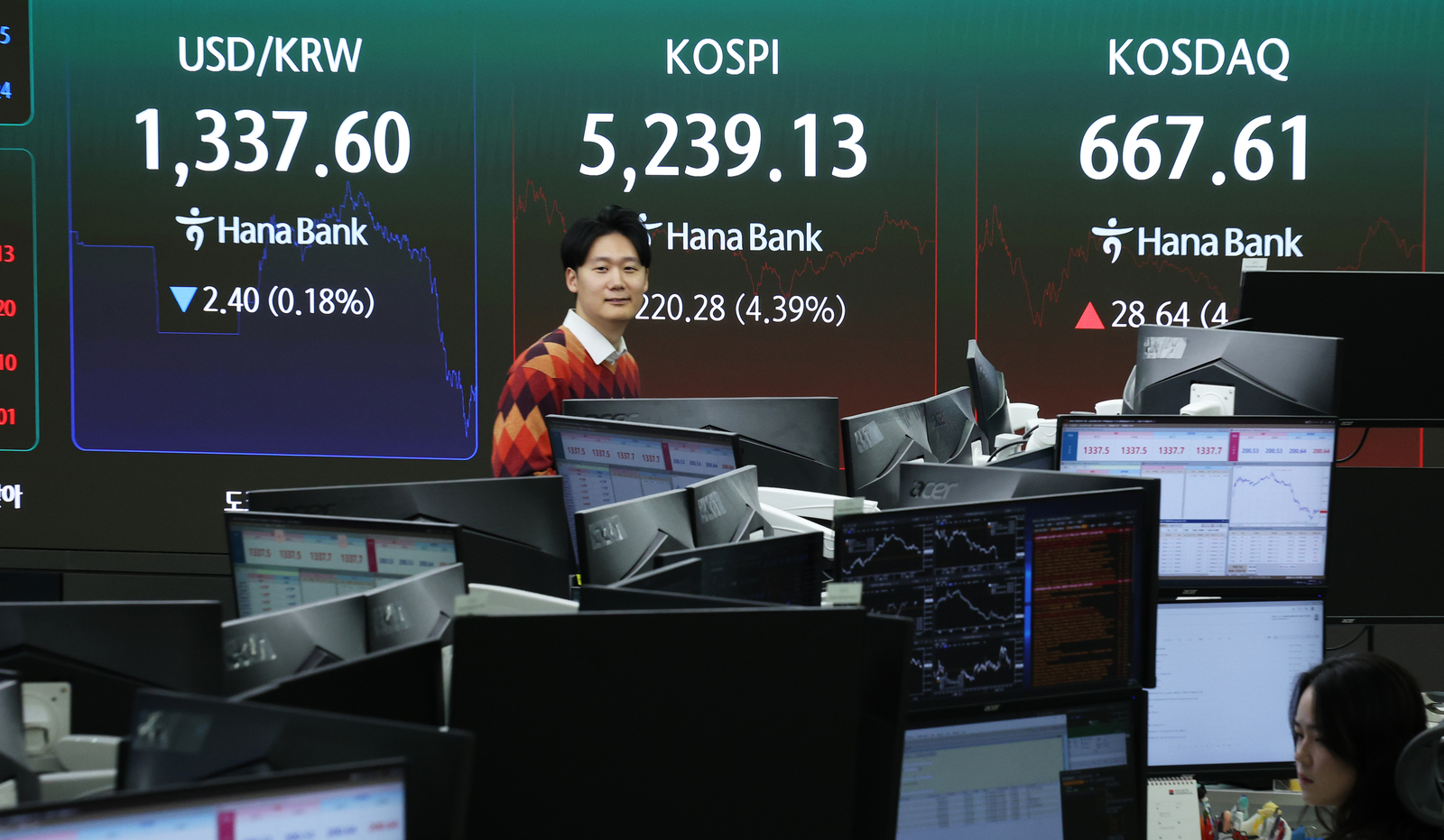
The Kospi bounced back by over 4% following a sharp post-midterm election drop, successfully reclaiming the 5,000 mark. The won-dollar exchange rate fell for two consecutive days to 1,337.5 KRW, driven by easing geopolitical risks in the Middle East and renewed foreign buying.
South Korea Stock Market Kospi Volatility and Impact Factors Report — 2026-11-10
1. Kospi Market Indicators and Major Supply-Demand Status
Today (the 10th), the Kospi and Kosdaq indexes rebounded after four days, closing up over 4% and shaking off three consecutive sessions of steep declines. Last week, the Kospi plummeted 11.71% and faced the threat of crashing below the 5,000 threshold, but this rebound appears to have successfully defended the psychological support line.
The core cause of recent market volatility is pointed to as a supply-demand imbalance. During a joint symposium hosted by the Korea Securities Association and the Korea Finance Institute, Kang Geun-hyuk, a senior research fellow at the Korea Capital Market Institute, cited the "semiconductor-concentrated structure" alongside the "clash between foreign and institutional selling pressure" as the main drivers behind the surge in Kospi volatility. In fact, foreign investors led the index downward last week by recording net sales of approximately 10.4 trillion KRW.
2. Today's Key Volatility Factors
The biggest factor driving today's market rebound is the recovery of risk-on sentiment. As expectations grew that military tensions between the United States and Iran would ease, global risk-aversion sentiment calmed down. Consequently, international oil prices plunged and U.S. tech stocks rebounded, which led foreign buying to flow into the domestic stock market and propelled the index higher.
Another factor is the partial relief of concerns over "AI data center regulations." As worries about tightened AI infrastructure regulations—which were raised following the Democratic Party's landslide victory (Blue Tsunami)—subsided somewhat, investment sentiment improved. However, because market distortion occurred last week due to a rush of forced liquidation (margin calls) that temporarily dropped the pre-market expected index below the 4,000 line, caution regarding short-term volatility is still necessary.
3. Macro Factors and Economic Indicators
The foreign exchange market is showing stability. The won-dollar exchange rate finished daytime trading down 9.6 KRW from the previous day at 1,337.5 KRW, continuing its downward trend for two days in a row. This strengthening of the Korean won is the result of a combined effect: the recovery of risk-on sentiment following the easing of geopolitical tensions in the Middle East and the rebound of the domestic stock market.
From a macroeconomic perspective, this week's U.S. inflation indicators (CPI, PPI) have emerged as major variables that will determine the future rate path and market direction. NH Investment & Securities set the expected Kospi band at 5,000 to 6,000 points, presenting the easing of AI regulation concerns and the reduction of U.S.-Iran war risks as upward factors, while pointing to the possibility of continued foreign capital outflow as a downward factor.
4. Comprehensive Analysis and Notes for Investors
The market is currently judged to be in the initial stage of attempting a technical rebound, moving away from the panic selling that followed the U.S. midterm elections. While the easing of Middle East risks and exchange rate stability are positive, structural vulnerabilities such as the over-concentration in semiconductors and foreign supply-demand volatility remain.
Investors must keep a close eye on this week's U.S. CPI figures and the earnings and fundraising trends of AI-related companies like CoreWeave. In addition, since the "expected index" formed outside the regular market may diverge from actual execution prices, traders should be careful not to rely solely on pre-market quote-based indicators.
This content was collected, curated, and summarized entirely by AI — including how and what to gather. It may contain inaccuracies. Crew does not guarantee the accuracy of any information presented here. Always verify facts on your own before acting on them. Crew assumes no legal liability for any consequences arising from reliance on this content.
Powered by
