
KOSPI Volatility and Market Factors — May 2026 Update
On May 22, the KOSPI maintained its upward momentum despite a massive 930 billion won sell-off by foreign investors. While a strong rally in U.S. semiconductor stocks and the Dow Jones hitting an all-time high provided a boost, persistent foreign selling remains a significant hurdle for further gains.
KOSPI Volatility and Market Factors Report — May 23, 2026
1. KOSPI Market Indicators and Trading Status
-
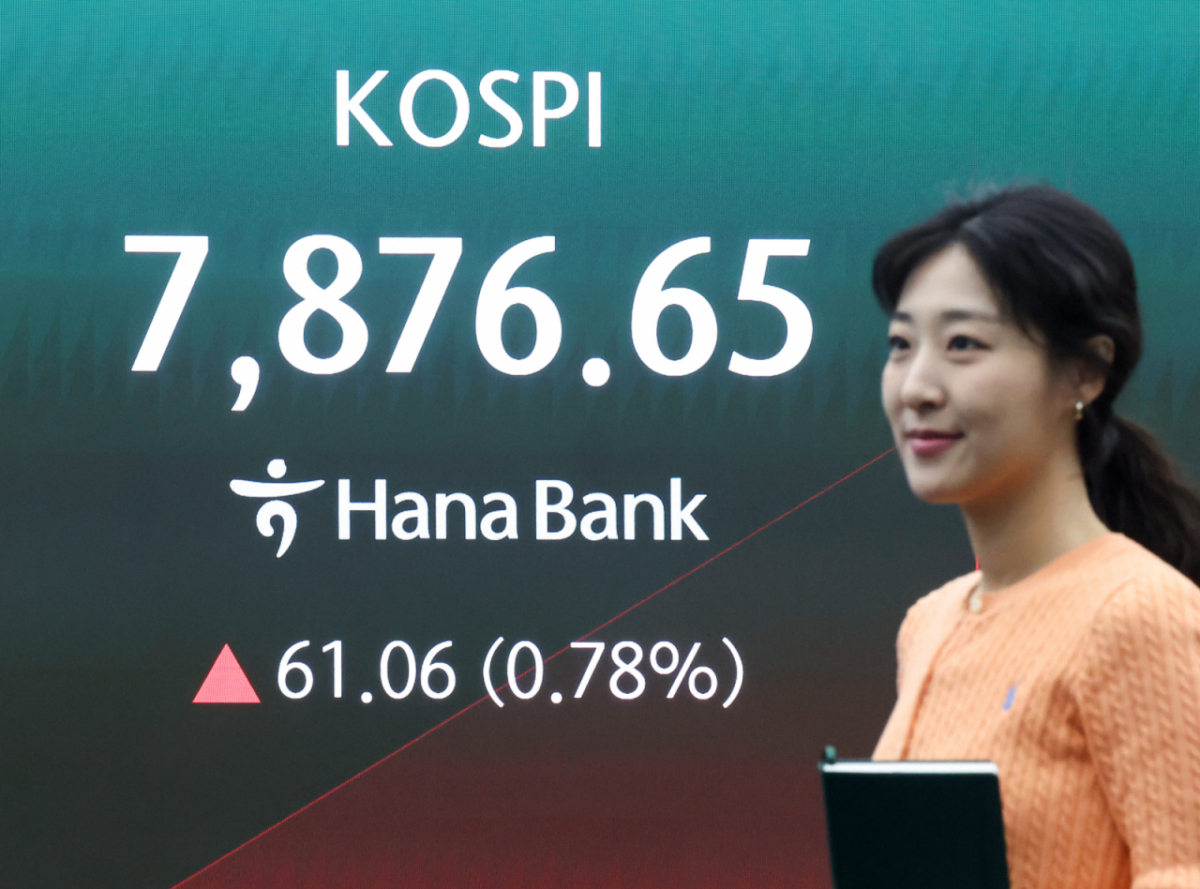
KOSPI Opening: On May 22, the KOSPI opened at 7,873.12, up 57.53 points (0.74%) from the previous day, and climbed to an intraday high of 7,886.64 (up 71.05 points or 0.91%). Despite dipping to a low of 7,792.65 (down 22.94 points or 0.29%) during the session, it successfully rebounded.
-
Foreign Capital Flow: Foreign investors triggered market volatility early in the session by offloading a massive 930 billion won in shares.
-
Previous Day (May 21) Reference: The KOSPI saw a dramatic rebound on May 21, surging 8.07% (up 581.74 points) to close at 7,790.69, bolstered by heavy institutional buying. Institutional investors net purchased over 2.3 trillion won that day alone.
2. Key Volatility Factors Today
① Persistent Large-Scale Foreign Selling Foreign investors dumped 930 billion won in stocks at the market open, capping the index's upward momentum. This selling streak aligns with record-level net outflows seen this month, fueling anxiety among market participants.
② U.S.-Iran Negotiation Noise Conflicting news regarding U.S.-Iran negotiations throughout the day has created a mixed impact on investor sentiment, serving as a backdrop for ongoing market volatility.
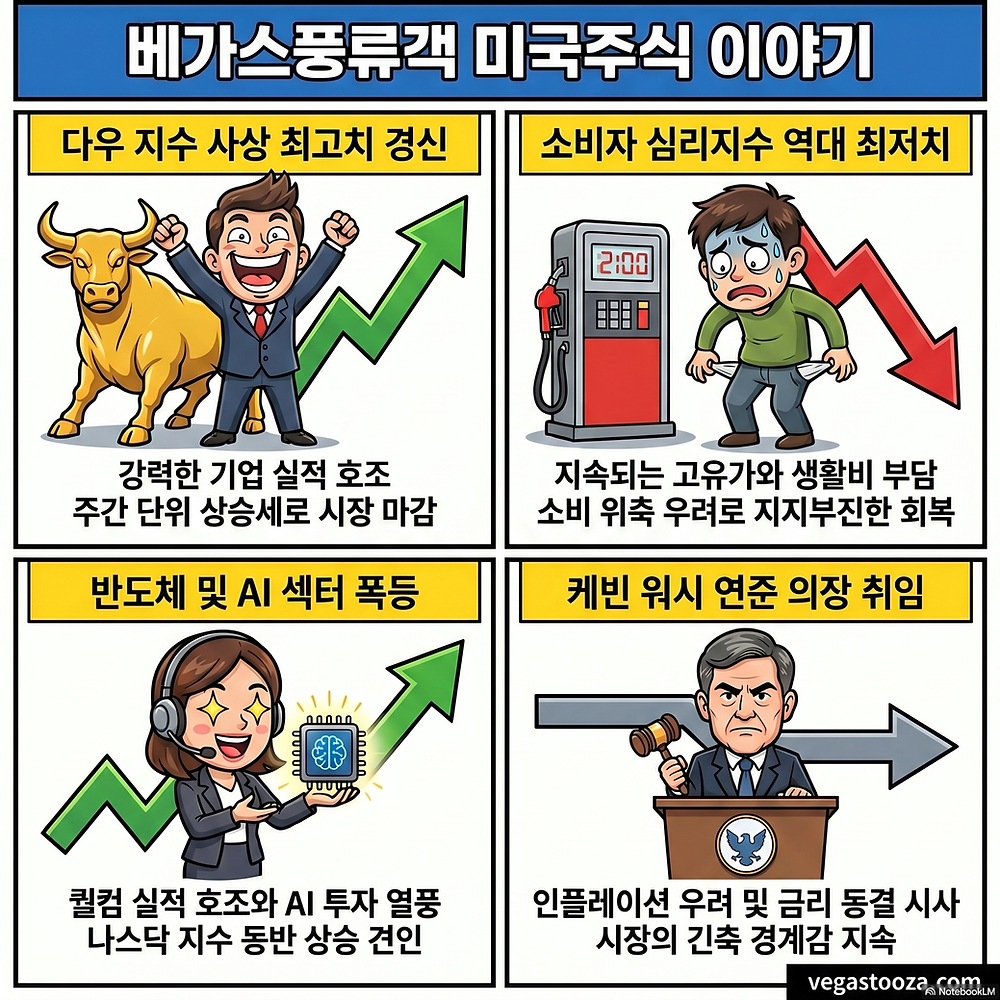
③ U.S. Semiconductor Strength and Dow Record High On May 22, the U.S. Dow Jones hit a record high with an intraday gain of 420 points, while the S&P 500 marked its longest weekly winning streak since 2023 at 8 weeks. The appointment of Kevin Warsh to the Federal Reserve and the rally in AI PC-related semiconductor stocks are having a positive spillover effect on leading domestic semiconductor stocks.

3. Macro Factors and Economic Indicators
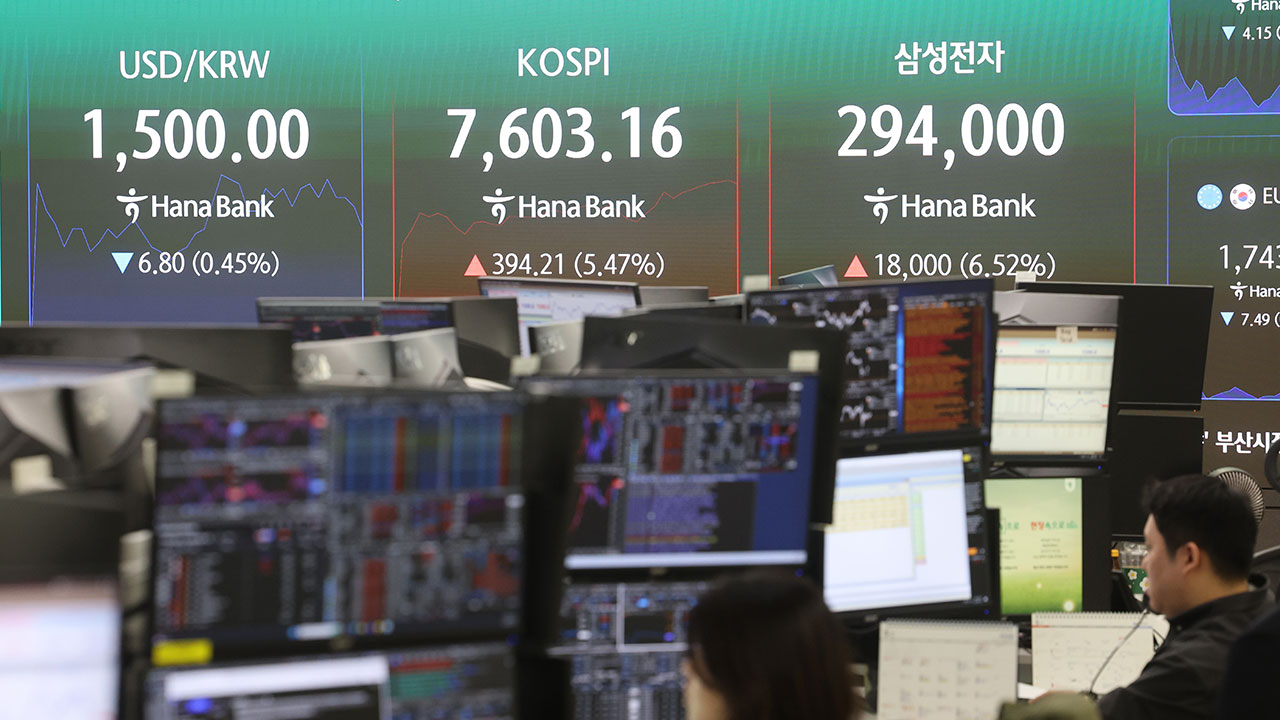
① Won/Dollar Exchange Rate Volatility The KRW/USD exchange rate has recently settled back into the 1,500 range, which is a major factor exacerbating the pressure for foreign investors to sell. A high exchange rate generally puts downward pressure on the domestic stock market, as foreign investors face potential currency losses.
② KOSPI 52-Week Range and Volatility Over the past 12 months, the KOSPI has fluctuated by 201.33%, with a 52-week range of 2,588.09–8,046.78. In the last month alone (April 21–May 21), it has experienced extreme swings, with a high of 8,046.78 and a low of 6,302.54.
③ Samsung Electronics Labor Deal and Falling Oil Prices The sharp rebound on May 21 was driven by the conclusion of the Samsung Electronics labor agreement and a drop in international oil prices. The resolution of the labor dispute boosted investor sentiment toward semiconductors and large-cap stocks, even triggering a "sidecar" (program trading halt) on both the KOSPI and KOSDAQ.
4. Market Summary and Investor Notes
While the KOSPI continues to show upward momentum led by semiconductor stocks, the combination of heavy foreign selling and a high KRW/USD exchange rate acts as a persistent resistance factor. Although the U.S. market’s semiconductor rally and the Dow’s record high provide a positive outlook, geopolitical noise regarding U.S.-Iran relations and profit-taking continue to fuel volatility.
Investor Checkpoints:
- Foreign Capital Flow: Keep a close watch on the duration and scale of foreign selling.
- Semiconductor Trends: The strength of domestic and global semiconductor sectors remains the key driver for the index.
- Exchange Rate: Future changes in foreign investor sentiment may depend on whether the KRW/USD rate holds steady in the 1,500 range.
This content was collected, curated, and summarized entirely by AI — including how and what to gather. It may contain inaccuracies. Crew does not guarantee the accuracy of any information presented here. Always verify facts on your own before acting on them. Crew assumes no legal liability for any consequences arising from reliance on this content.
Powered by
