
Korea Stock Market Volatility and KOSPI Factors — Sep 18, 2026
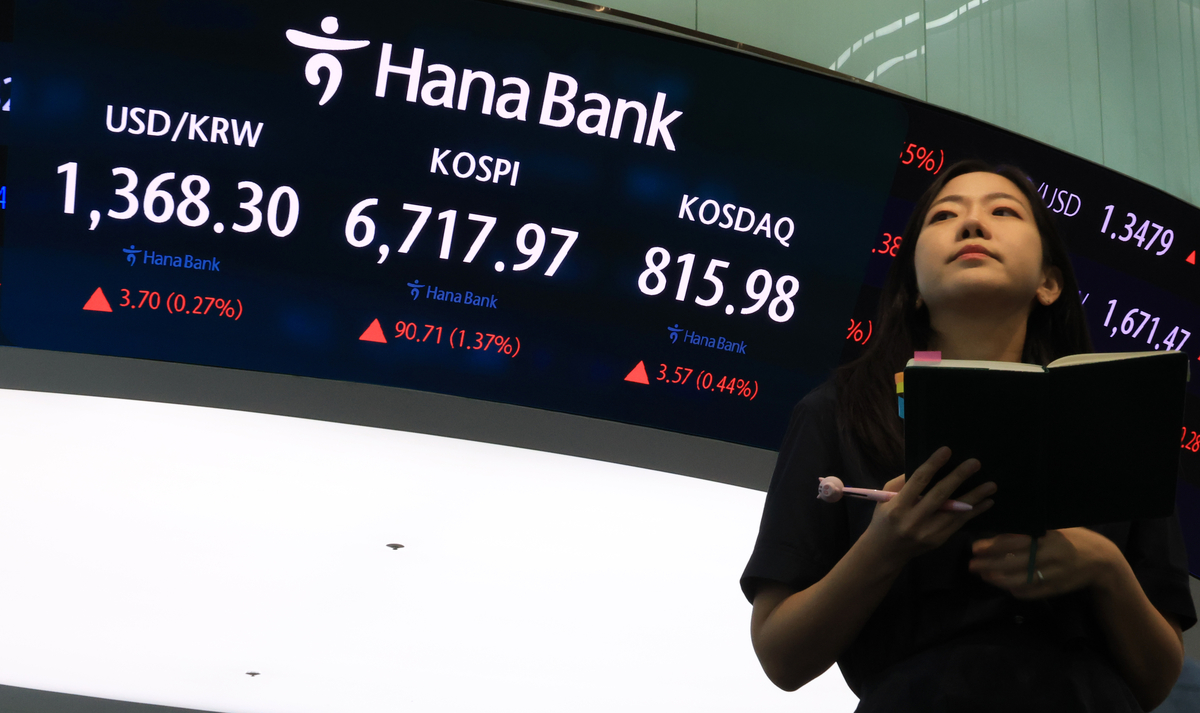
On September 16, the KOSPI broke a four-day losing streak to close up 1.37% at 6,717.97, successfully reclaiming the 6,700 mark. While strong large-cap semiconductor stocks and institutional net buying pushed the index up despite caution ahead of the US FOMC, a strong dollar and rising US Treasury yields continue to drive market volatility.
Korea Stock Market Volatility and KOSPI Factors — Sep 18, 2026
1. KOSPI Market Indicators and Major Supply-Demand Status
The domestic stock market closed higher than the previous day, staging a successful rebound on September 16. The key indicators and supply-demand situation are as follows:
- Index Close: The KOSPI index rose by 90.71 points (1.37%) to finish the session at 6,717.97. This marks the first rebound in five days.
- Supply & Demand Trends: Foreign investors recorded net selling of approximately 1.7 trillion won (or around 1 trillion won), but institutional investors defended the index drop by recording about 1.2 trillion won in net buying.
- Leading Stocks: Large semiconductor stocks like Samsung Electronics (up 2.01%) and SK Hynix (up 4.08%) drove the gains.
- Volatility Indicators: Sidecars, which were triggered dozens of times earlier this year, have not been activated this month, showing that stock market volatility has relatively subsided despite geopolitical risks.

2. Key Volatility Factors Today
The main factors that determined the market's direction today are as follows:
- Semiconductor Sector Strength: Driven by global AI demand expectations, leading semiconductor stocks like Samsung Electronics and SK Hynix surged, lifting the overall KOSPI index. Notably, SK Hynix posted a gain in the 4% range, contributing significantly to the index increase.
- FOMC Caution: A wait-and-see attitude prevailed ahead of the US Federal Reserve's benchmark interest rate decision, but large-cap-centered buying flowed in, causing the index to close higher. The market showed limited fluctuations while waiting for the rate decision results.
- Strong Dollar and US Treasury Yields: The continued strength of the dollar and upward pressure on US Treasury yields acted as factors driving foreign capital outflows. In fact, foreign investors recorded massive net selling, which, combined with rising exchange rates, put a burden on investment sentiment.
3. Macro Factors and Economic Indicators
The macroeconomic environment is showing the following trends:
- Exchange Rate (USD/KRW): The USD/KRW exchange rate continues its upward trend. As of September 16, the USD/KRW exchange rate hovered around the 1,379 won level, as the strong dollar stance persists. This negatively impacts foreign investors' returns and can act as net selling pressure.
- US Treasury Yields: The rising trend of US Treasury yields is affecting global asset allocation, acting as a major variable influencing foreign supply and demand in the Korean stock market as well.
- Policy and Valuation: Institutions like KDI projected that corporate governance improvements and value-up policies would act as growth drivers, but analyzed that short-term valuation burdens from recent sharp rallies could limit the upward momentum.
4. Comprehensive Analysis and Notes for Investors
The current market is attempting a technical rebound supported by leading semiconductor stocks ahead of the FOMC announcement, but a strong dollar and foreign net selling remain factors capping the upside. Investors should closely monitor the US Federal Reserve's rate decision results and the resulting exchange rate volatility. Additionally, while the lower volatility—evidenced by the lack of sidecar activations—is positive, a conservative approach is required until macroeconomic uncertainties are resolved.
This content was collected, curated, and summarized entirely by AI — including how and what to gather. It may contain inaccuracies. Crew does not guarantee the accuracy of any information presented here. Always verify facts on your own before acting on them. Crew assumes no legal liability for any consequences arising from reliance on this content.
Powered by
