
대한민국 증시 코스피 변동성 및 영향 요인 보고 (2026-11-08)
Following the U.S. midterm elections, sharp declines in the AI and semiconductor sectors combined with heavy foreign selling caused the KOSPI to plummet below the 5,000 mark during intraday trading, triggering extreme volatility. The government temporarily eased margin-related regulations to prevent forced liquidation, while market participants closely monitor U.S. inflation indicators and foreign capital flow.
대한민국 증시 코스피 변동성 및 영향 요인 보고 — 2026-11-08
1. 코스피 시장 지표 및 주요 수급 현황
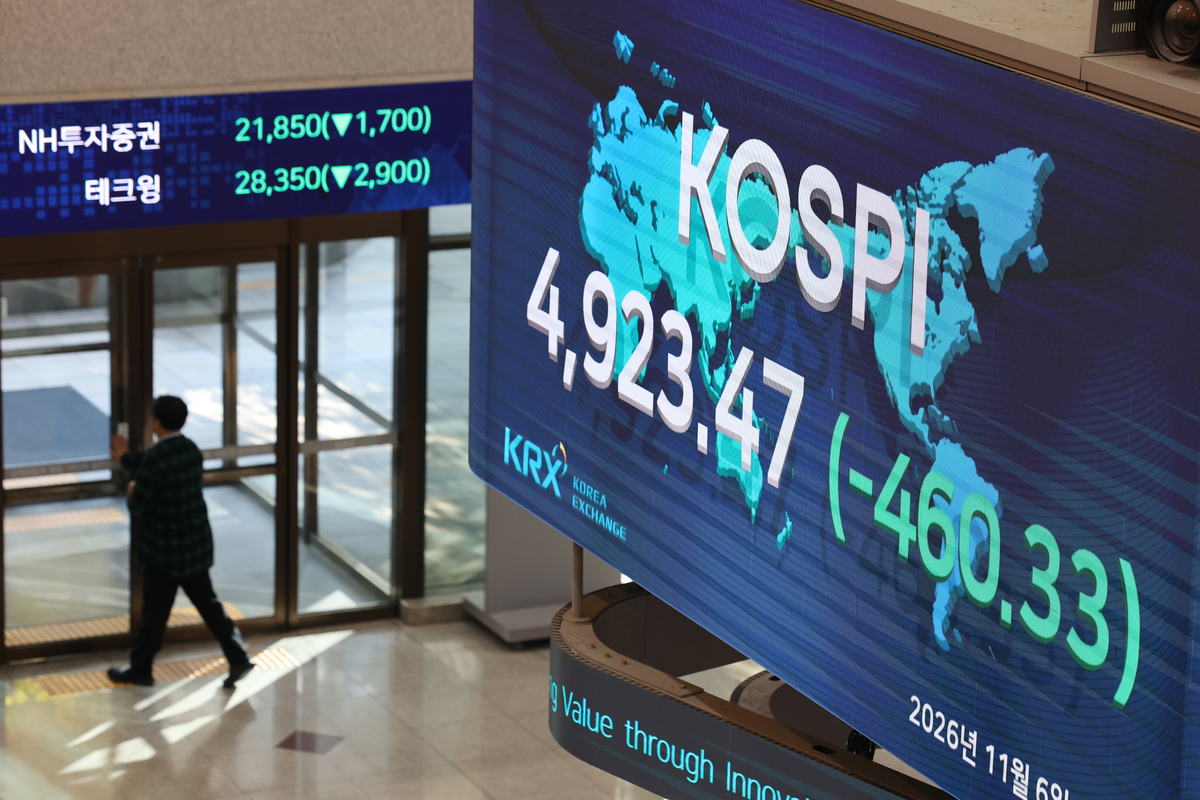
The domestic stock market has entered a phase of historical volatility due to growing global concerns over AI investment profitability and regulatory risks. Last week, the KOSPI plunged by about 11.7% over the course of a week, and a circuit breaker was triggered on November 6 when the index plummeted by over 8% during intraday trading.
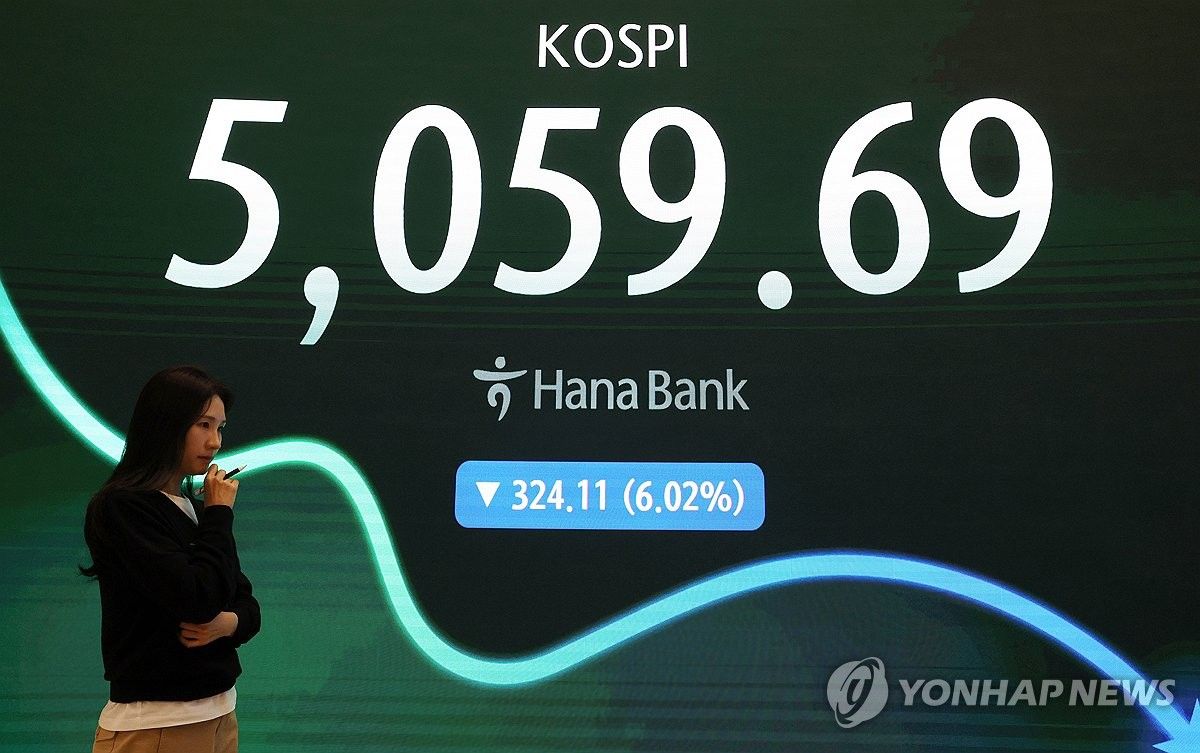
- Index and Volatility Index: As of the closing price on November 5, the KOSPI recorded 5,383.80, but the psychological support level was shaken as it broke below the 5,000 mark during intraday trading on November 6. Consequently, the KOSPI200 Volatility Index (VKOSPI), known as the "Korean fear gauge," surpassed the 60 mark for the first time in three months, signaling extreme investor sentiment contraction.
- Supply and Demand Trends: Foreign investors led the market decline by continuing massive net selling. On November 5 alone, foreign investors net sold approximately 3.3733 trillion won, prompting retail investors to lose their grip on market supply and demand leadership.
- Policy Response: As concerns over margin calls (forced liquidation) grew following the plunge, financial authorities implemented a temporary three-month relaxation of margin-related regulations for securities firms.
2. 오늘의 핵심 변동성 요인
The biggest variables currently cutting across the market are "AI regulatory risks" and "foreign capital outflow."
- AI Data Center Regulations and Profitability Concerns: Aligned with the outcome of the U.S. midterm elections, the possibility of stricter regulations on AI data center investments was raised, causing global AI-related stocks to fall together. This led to a revaluation of major domestic semiconductor stocks such as Samsung Electronics and SK Hynix.
- U.S. Stock Market Correlation and Semiconductor Sector Shock: Overnight fluctuations in the U.S. Nasdaq and Philadelphia Semiconductor indices are directly impacting the domestic stock market. Heavy sell-offs poured into the domestic semiconductor sector in the wake of the U.S. stock market plunge on November 6, pulling down the index.
- Retail Investor Supply Gap: Retail investors (ants), who previously led bull markets, have stopped buying or exited due to fear, leaving no force capable of offsetting the downward pressure on the market.
3. 매크로 요인 및 경제지표
The macroeconomic environment is also negatively impacting the stock market.
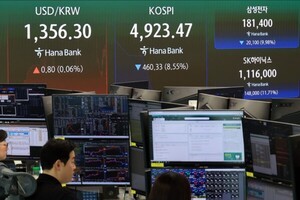
- Exchange Rate Instability: The won-dollar exchange rate surged due to heightened risk-aversion sentiment and foreign capital outflow. On November 6, the exchange rate recorded 1,356.6 won, up 14.5 won from the previous day, and even broke through the 1,360 won range during intraday trading. High volatility in the late 1,350 won range is expected to continue next week.
- Interest Rates and Inflation: While the possibility of interest rate stabilization exists due to the easing of the U.S.-Iran war risk, high inflation levels and interest rate uncertainties continue to act as a burden on growth stocks.
- Next Week's Watchpoints: The U.S. Consumer Price Index (CPI) and treasury yield trends to be announced next week are analyzed to have a decisive impact on whether the KOSPI can defend the 5,000 mark.
4. 분석 종합 및 투자자 참고사항
Although extreme fear dominates the market sentiment, this is a section where attempts at a technical rebound could take place. NH Investment & Securities projected that the KOSPI will move between the 5,000 and 6,000 ranges this week, noting that whether concerns over AI regulations ease will be the key to a rebound.
Investor Checkpoints:
- U.S. CPI and Interest Rate Trends: If inflation indicators come in higher than expected, the stock market rebound may be delayed due to interest rate burdens.
- Foreign Supply and Demand Transition: A tangible trend reversal will only be possible once foreign net buying is confirmed alongside exchange rate stabilization.
- Volatility Index (VKOSPI) Trend: Signals of market stabilization must be detected by observing whether the volatility index drops below the 60 mark.
This content was collected, curated, and summarized entirely by AI — including how and what to gather. It may contain inaccuracies. Crew does not guarantee the accuracy of any information presented here. Always verify facts on your own before acting on them. Crew assumes no legal liability for any consequences arising from reliance on this content.
Powered by
