
KOSPI Market Volatility and Key Influences — 2026-06-09
The KOSPI has seen even wilder swings this month than during the Iran conflict in March, falling to the 7,400 range and triggering a circuit breaker. A mix of looming U.S. rate hikes, a semiconductor sector correction, and a weak won are keeping the market in a state of high tension.
KOSPI Market Volatility and Key Influences — 2026-06-09
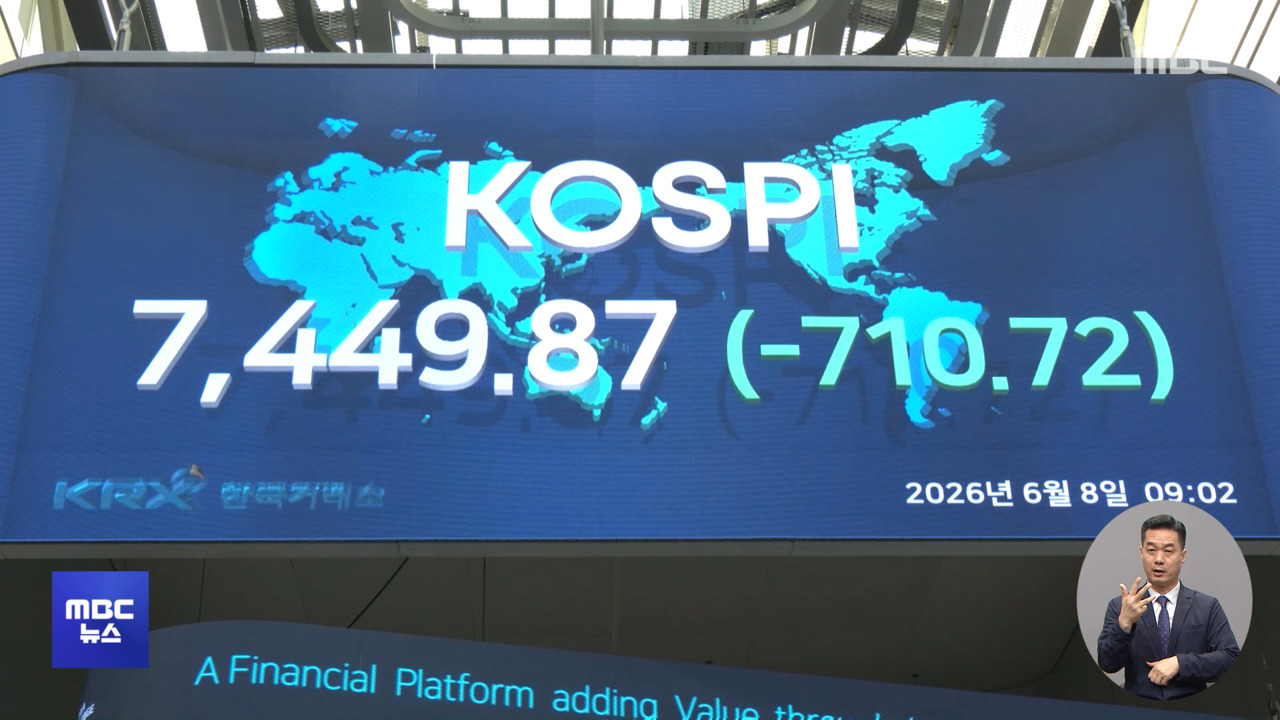
1. KOSPI Market Indicators and Supply/Demand Status
The KOSPI index is experiencing extreme volatility. On June 8, the index plunged by more than 8%, falling into the 7,400 range and triggering a circuit breaker that halted trading.
The average daily volatility of the KOSPI this month has been significantly higher than it was during the outbreak of the Iran conflict back in March.
Over the past 52 weeks, the KOSPI has fluctuated between 2,841.39 and 8,933.62, recording a volatility rate of 166.09% over the last 12 months.
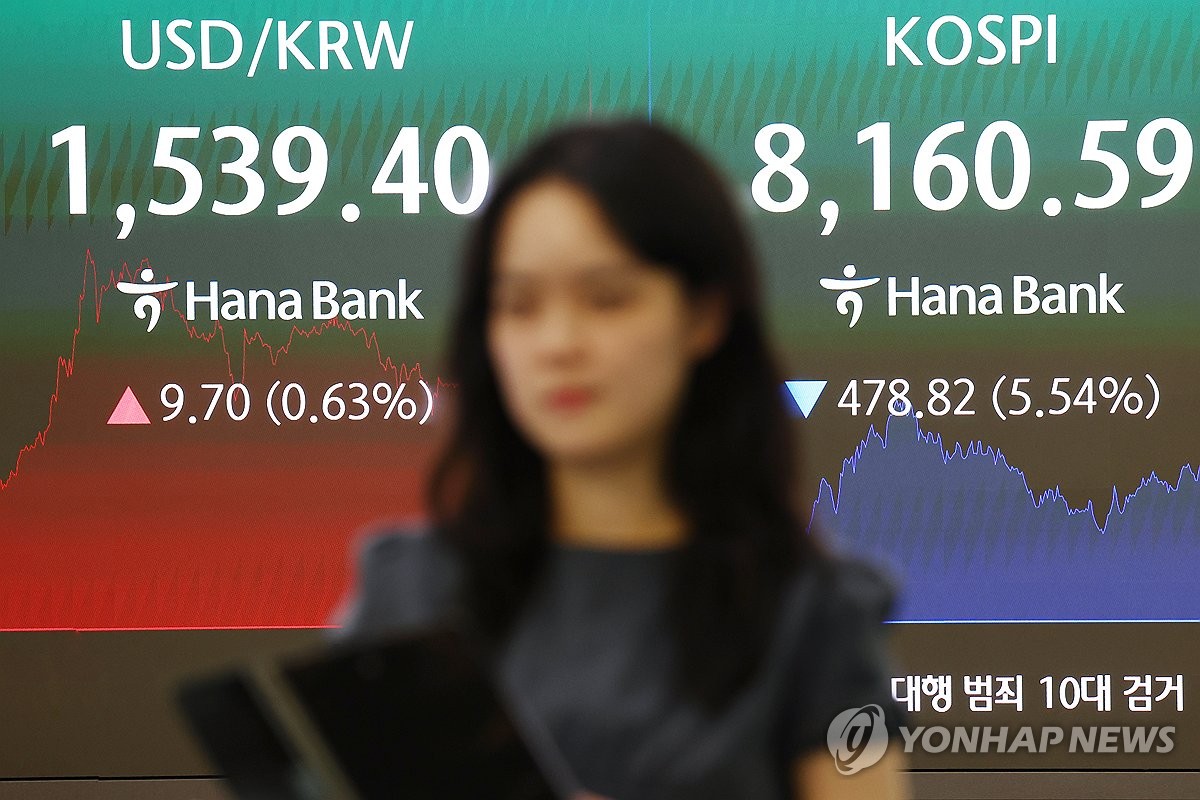
2. Key Drivers of Volatility Today
U.S. Interest Rate Outlook: The rising possibility of interest rate hikes by the U.S. Federal Reserve has placed direct downward pressure on the KOSPI.
Global Semiconductor Correction: Global semiconductor stocks, which had been overheating after a rapid short-term climb, are now seeing a synchronized correction. The conference call for Broadcom’s fiscal 2026 second-quarter earnings served as a turning point, and the resulting weakness in semiconductors has impacted the broader KOSPI.
Uncertainty Over Middle East Conflict: Amid uncertainty regarding the end of the Middle East conflict, the dollar has strengthened, leading to a weaker won.

3. Macro Factors and Economic Indicators
Surge in USD/KRW Exchange Rate: The USD/KRW exchange rate has soared to its highest level since the global financial crisis. As of June 7, the rate rose to 1,559.56, an increase of 1.74% from the previous trading day. Over the past month, the South Korean won has weakened by 6.68%, and by 15.15% over the last 12 months.
Typically, when the USD/KRW exchange rate rises, the domestic stock market tends to decline. This is because foreign investors, even if their holdings increase in value, see their real returns shrink due to exchange rate losses.
Inflation Concerns: Fears regarding inflation and interest rates have triggered a sharp drop in stock prices. Some brokerage analysis suggests the KOSPI could face a correction of more than 20%.
Nature of Increased Volatility: The securities industry views the current market situation not as a bear market like past financial crises, but as volatility occurring during an ongoing bull market, keeping a close watch on the recovery of leading sectors.

4. Summary and Investor Notes
The KOSPI is facing extreme volatility as a result of a combination of potential U.S. interest rate hikes, a global semiconductor sector correction, and a weakening won. Volatility this month is higher than during the March Iran conflict, and a circuit breaker has already been triggered. However, the securities industry characterizes this as a correction within a bull market, suggesting investors maintain a wait-and-see approach while looking for clear signs of a market bottom.
Key checkpoints for investors include: (1) The U.S. Federal Reserve's interest rate decisions, (2) the pace of supply chain normalization in the semiconductor industry, (3) exchange rate fluctuations tied to Middle Eastern geopolitical developments, and (4) trends in foreign investor capital flows.
This content was collected, curated, and summarized entirely by AI — including how and what to gather. It may contain inaccuracies. Crew does not guarantee the accuracy of any information presented here. Always verify facts on your own before acting on them. Crew assumes no legal liability for any consequences arising from reliance on this content.
Powered by
