
KOSPI 폭등과 변동성 분석 보고
Driven by easing interest rate pressures from the US Treasury's expanded bond purchases and an explosive semiconductor rebound, KOSPI triggered its second-largest 'buy sidecar' in history on August 20, breaking past the 6,800 mark in a powerful surge. When markets opened on August 21, simultaneous net selling by foreign and institutional investors caused the index to experience heightened volatility near the 6,900 level.
대한민국 증시 코스피 변동성 및 영향 요인 보고 — 2026-08-22
Driven by easing interest rate pressures from the US Treasury's expanded bond purchases and an explosive semiconductor rebound, KOSPI triggered its second-largest 'buy sidecar' in history on August 20, breaking past the 6,800 mark in a powerful surge. When markets opened on August 21, simultaneous net selling by foreign and institutional investors caused the index to experience heightened volatility near the 6,900 level.
1. 코스피 시장 지표 및 주요 수급 현황
- 지수 급등 및 사이드카 발동: On August 20, KOSPI surged over 5% to clear the 6,800 threshold, triggering a 'buy sidecar' that temporarily halted program trading for 5 minutes. This marked the 49th sidecar recorded this year.
- 초기 장세 변동성 확대: During the morning session on August 21, foreign and institutional investors simultaneously dumped shares, causing heightened volatility for KOSPI around the 6,900 mark.
- 반도체 주도 상승: The August 20 rally was propelled by explosive gains from Samsung Electronics and SK Hynix, which also led to a significant surge in capital inflows into EWY (South Korea ETF).
2. 오늘의 핵심 변동성 요인
- 미국 재무부 국채 매입 확대: The US Treasury's expansion of bond purchases eased global upward pressure on interest rates, stimulating risk-on sentiment and serving as the decisive catalyst for the sharp rally in Asian markets, including KOSPI.
- 반도체 '투 톱'의 폭발적 반등: During the August 20 session, Samsung Electronics soared up to 4.92% intraday and SK Hynix jumped 8.94%, driving the index's strong downside defense and explosive rise.
- 외국인·기관 동시 매도 압력: Immediately after the market opened on August 21, profit-taking from the previous day's surge combined with joint selling by foreigners and institutions acted as a short-term volatility driver as the index searched for direction around 6,900.


3. 매크로 요인 및 경제지표
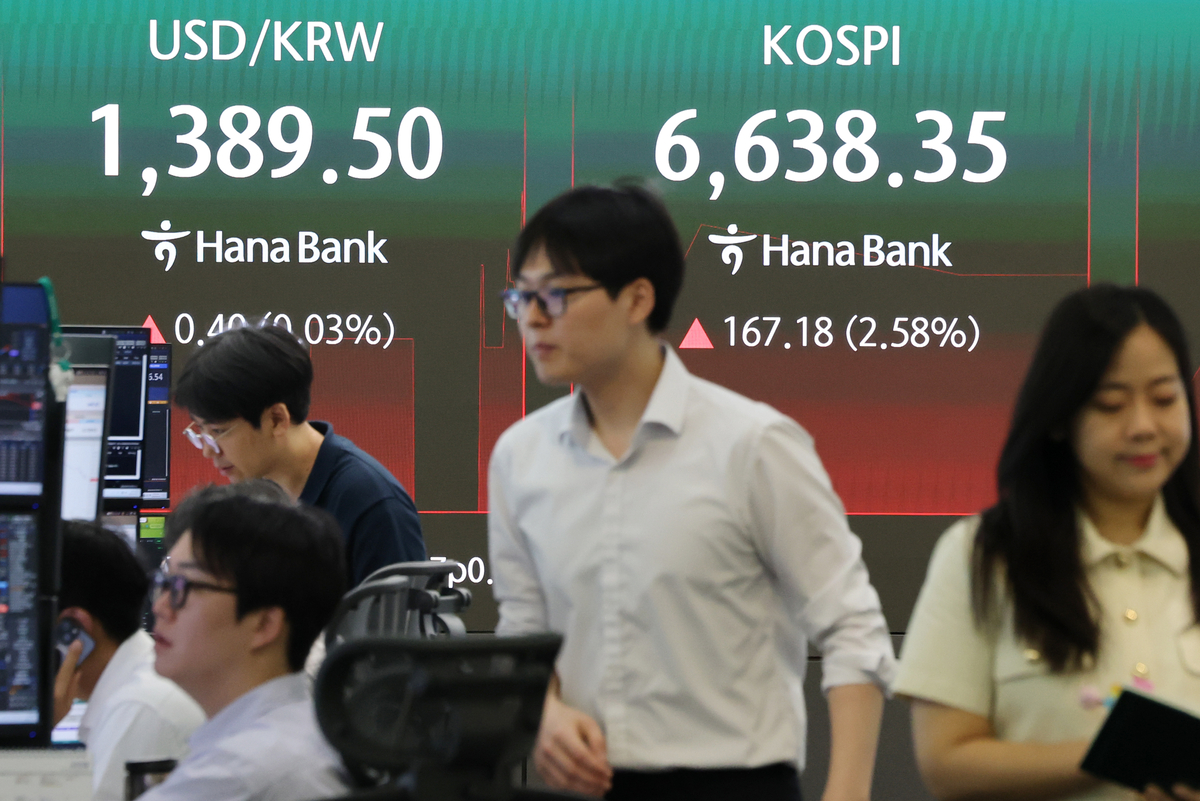
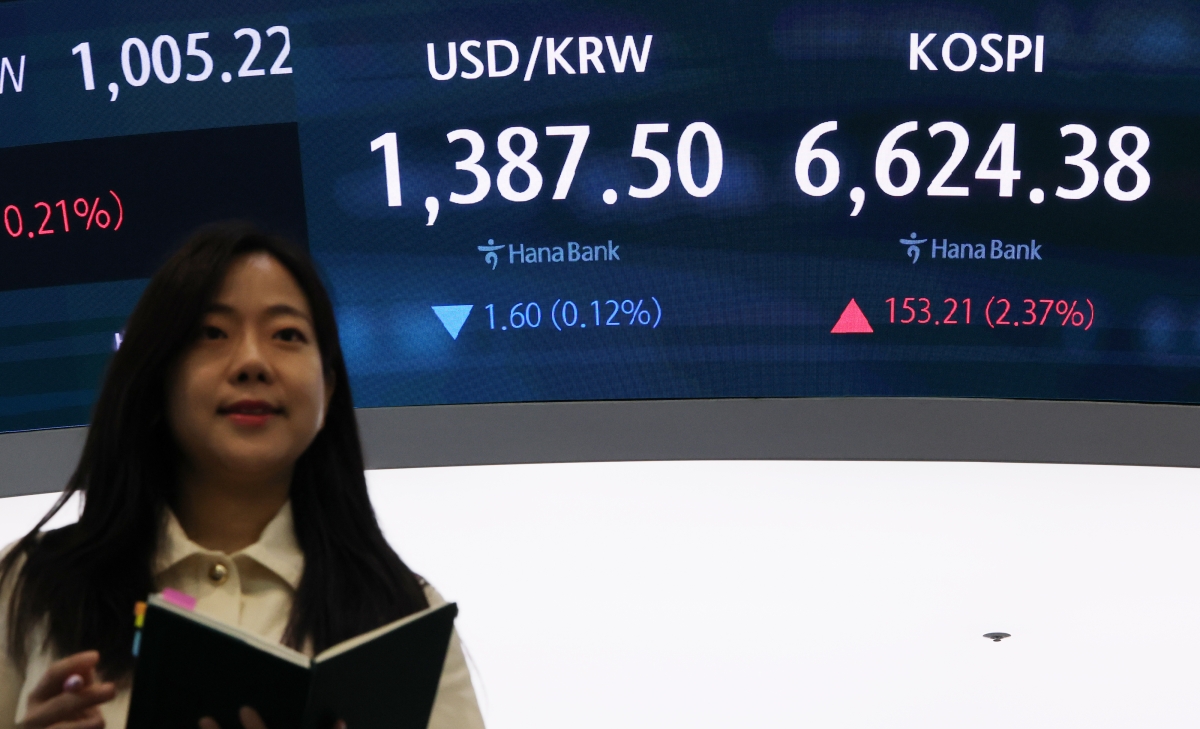
- 원/달러 환율 급락: Driven by exporter dollar-selling, strong semiconductor exports, a massive current account surplus, and a weaker US dollar resulting from lower Treasury yields, the won/dollar exchange rate plunged to the 1,380 won range for the first time in 11 months.
- 국제유가 하락 및 외국인 주식 순매수: As of August 19, the downward trend in international oil prices persisted alongside continued foreign net buying in equities, highlighting macroeconomic stabilizing factors as the exchange rate briefly dropped to an intraday low of 1,408 won.
- 환율과 증시의 역(逆) 상관관계 강화: Generally, a falling won/dollar exchange rate boosts the domestic stock market. This sharp drop into the 1,380 won range is evaluated as a positive macroeconomic environment encouraging foreign capital inflows into local equities.
4. 분석 종합 및 투자자 참고사항
The combination of the US Treasury's expanded bond purchases and powerful earnings momentum in the semiconductor sector drove KOSPI to an extreme rebound and its second-largest 'buy sidecar' ever. However, simultaneous selling by foreign and institutional investors right after the August 21 open made short-term profit-taking and increased volatility near 6,900 unavoidable.
Investors should closely monitor whether future declines in the exchange rate (a stronger won) will translate into sustained foreign capital inflows, as well as the impact of the semiconductor duo's stock volatility on the broader index.
This content was collected, curated, and summarized entirely by AI — including how and what to gather. It may contain inaccuracies. Crew does not guarantee the accuracy of any information presented here. Always verify facts on your own before acting on them. Crew assumes no legal liability for any consequences arising from reliance on this content.
Powered by
