
Korea Stock Market Volatility & KOSPI Drivers Report — Oct 27, 2026
The KOSPI index dropped to a 7-month low of 5,469, breaking the 5,500 threshold due to foreign selling and anticipation of major events. Global macroeconomic risks, including the upcoming Federal Reserve (FOMC) meeting and earnings announcements from Samsung Electronics and SK hynix, are fueling widespread market caution.
Korea Stock Market Volatility & KOSPI Drivers Report — Oct 27, 2026
1. KOSPI Market Indicators and Major Supply/Demand Status
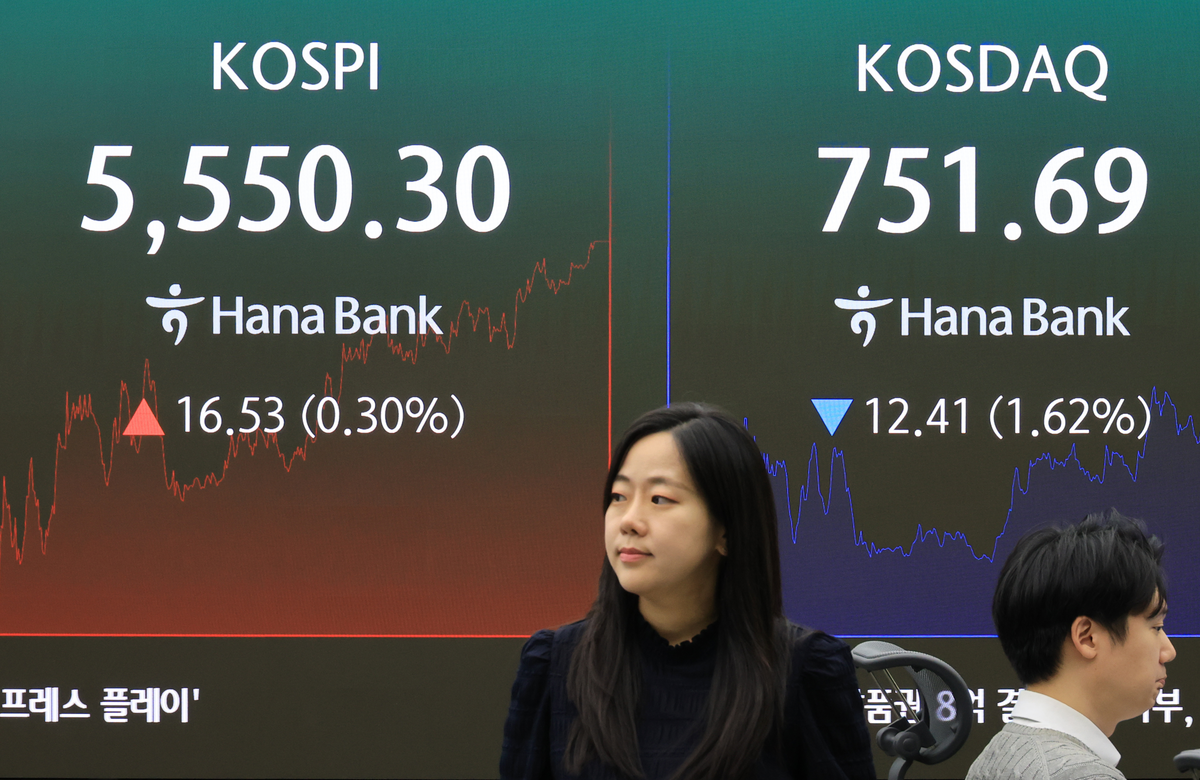
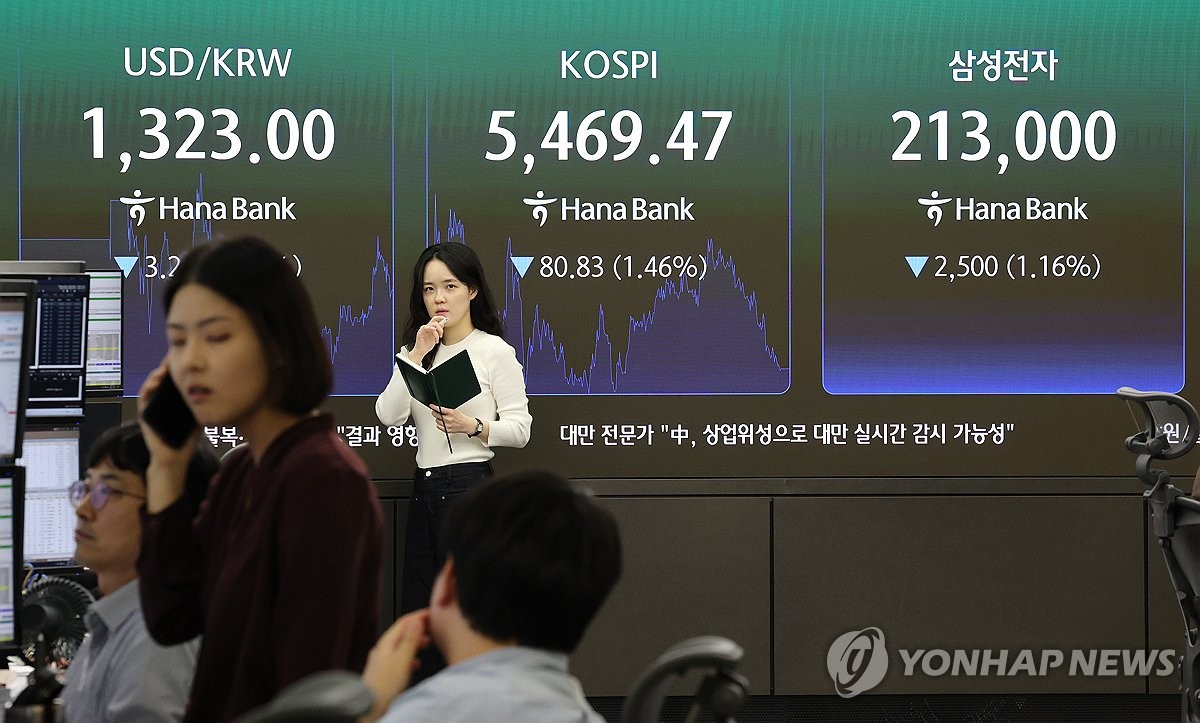
On October 26, the KOSPI index closed down 80.83 points (1.46%) at 5,469.47, falling below the 5,500 mark. This marks a 7-month low, driven primarily by massive selling from foreign investors. The KOSDAQ index also plunged 24.48 points (3.26%) to close at 727.21, highlighting a broad-based weakness across small and mid-cap stocks.

2. Key Volatility Drivers Today
The core volatility drivers in today's market are global macroeconomic uncertainty and preemptive risk management sentiment ahead of major corporate events. First, foreign capital outflow is accelerating ahead of the U.S. Federal Reserve's rate decision (FOMC). Second, as the third-quarter earnings announcements for major semiconductor stocks like Samsung Electronics and SK hynix draw near, a wait-and-see stance prevails until earnings visibility is secured. Third, overlapping global political events such as the U.S. midterm elections have stimulated risk-aversion sentiment.
3. Macroeconomic Factors and Economic Indicators
On the macroeconomic front, the KRW/USD exchange rate breaking its yearly low stands out. On October 26, the KRW/USD exchange rate closed down 1.5 KRW from the previous day at 1,323.1 KRW (as of 3:30 PM), continuing the trend of a stronger Korean won. Exporters selling off dollar holdings is analyzed as the main factor driving the exchange rate down (strengthening the won). Meanwhile, some securities analysts have raised defensive forecasts that the KOSPI index could fall further to the 5,200 level, citing global policy risks and low trading values.
4. Comprehensive Analysis and Investor Notes
The market is currently in a "wait-and-see mode ahead of major events," with a persistent bear market focused on risk management rather than specific positive catalysts. Investors are advised to maintain a conservative stance until the results of the U.S. Fed's rate decision and the actual earnings reports of major semiconductor stocks are released. In particular, since foreign supply and demand have a decisive impact on the index's direction, real-time monitoring of changes in global risk appetite is essential.
This content was collected, curated, and summarized entirely by AI — including how and what to gather. It may contain inaccuracies. Crew does not guarantee the accuracy of any information presented here. Always verify facts on your own before acting on them. Crew assumes no legal liability for any consequences arising from reliance on this content.
Powered by
