
KOSPI 8,000선 붕괴 및 시장 변동성 보고서
The KOSPI is experiencing a roller coaster ride, sliding to the 7,100 range in early trading on the 18th after touching 8,000. This massive volatility is driven by surging U.S. Treasury yields, profit-taking following recent gains, and persistent foreign selling.
South Korea Stock Market: KOSPI Volatility and Impact Factors — 2026-05-18
1. KOSPI Market Indicators and Supply/Demand Status
-
KOSPI Weekly Forecast Band: In a report on the 18th, Kiwoom Securities projected a weekly range of 7,150–7,700 points for the KOSPI.
-
52-Week KOSPI Range: Over the past 52 weeks, the KOSPI index has fluctuated between 2,588.09 and 8,046.78, marking a 192.72% increase over the last 12 months.
-
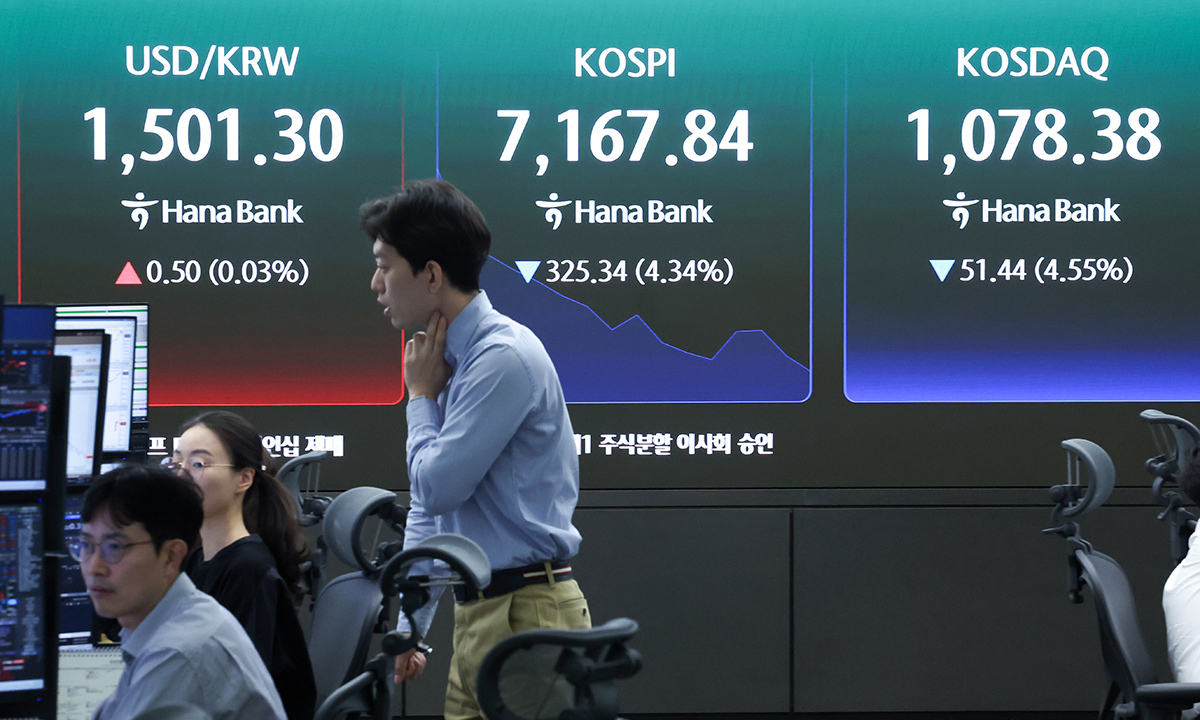
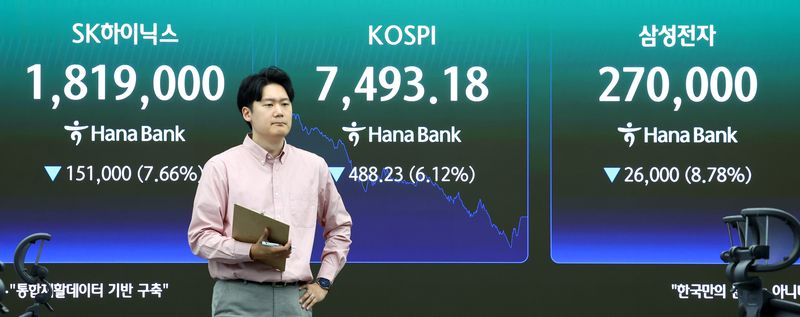
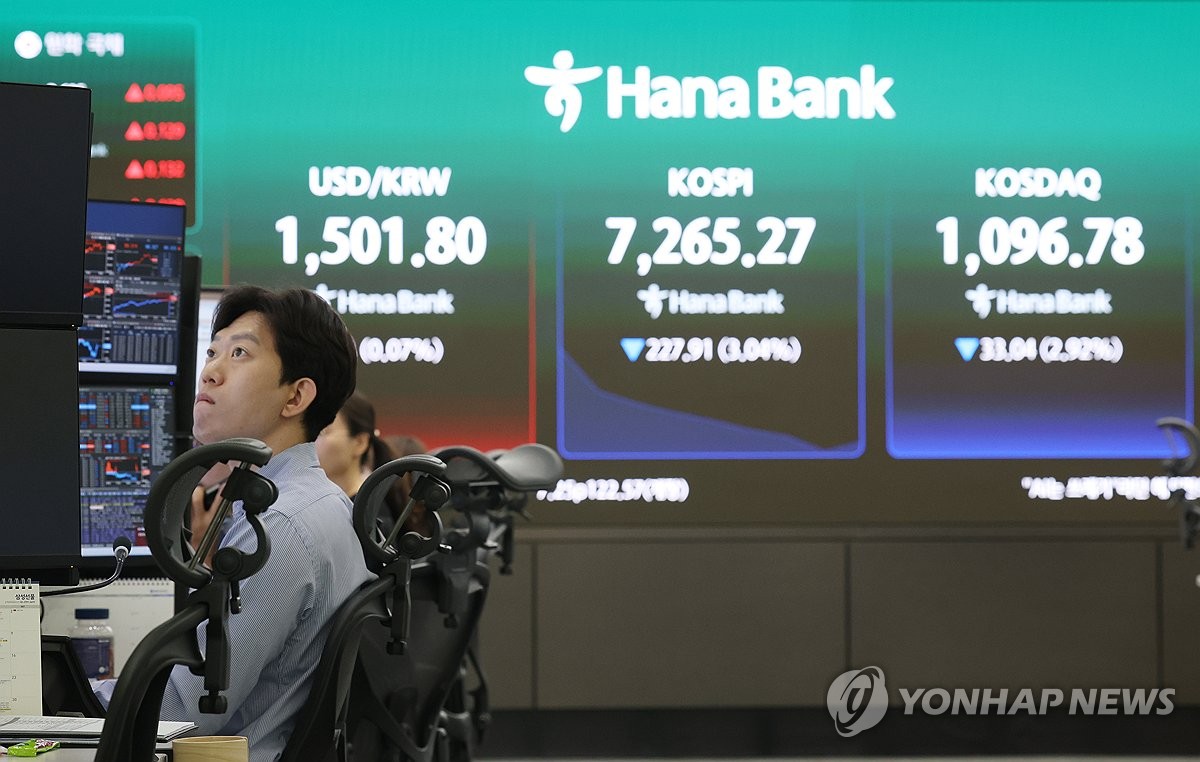
Intraday Plunge: On the 18th, the KOSPI fell by 3–4%, hovering around the 7,200 level in early trading before dipping as low as 7,100. This follows a sharp decline on the 15th after hitting the 8,000-point mark during the session.
-
Foreign Investor Flow: Ongoing selling by foreign investors, combined with profit-taking from recent short-term gains, is intensifying downward pressure on the index.
2. Key Volatility Factors Today
① Surge in U.S. Treasury Yields
The primary driver behind the KOSPI's sharp decline after hitting "8,000" is identified as the surge in U.S. Treasury yields. The "Korea-style fear index" is also trending upward, nearing levels seen immediately following the outbreak of the war in Iran.
② Profit-Taking from Short-Term Gains
The KOSPI closed sharply lower on the 15th immediately after touching the 8,000 mark for the first time in history. Burdened by short-term overheating, profit-taking sell-offs are flooding the market, while concentration in semiconductor leaders is also amplifying volatility.
③ Caution Ahead of NVIDIA Earnings
A core market variable this week is the NVIDIA earnings report scheduled for the 20th. Caution surrounding semiconductor leaders is heightening, coupled with uncertainty regarding H200 sales to China. Kiwoom Securities expects the KOSPI to continue experiencing a volatile market linked to macro events like U.S. interest rate trends and NVIDIA's earnings.
④ Samsung Electronics Strike Risk
The strike risk at Samsung Electronics has also emerged as a market variable this week. The labor-management conflict at Samsung Electronics, a key stock in the semiconductor sector, is adding further uncertainty to the share price.
3. Macro Factors and Economic Indicators
① U.S. Treasury Yields and Market Correlation
Yonhap News reported that the KOSPI’s volatility is widening after its retreat from the "8,000" level, directly citing the impact of surging U.S. Treasury yields. Heightened vigilance over rising interest rates is increasing valuation pressure on the domestic stock market.
② KRW/USD Exchange Rate Pressure
As of May 15, the USD/KRW exchange rate was 1,499.40 won, an 0.38% increase from the previous day. Over the past month, the won has weakened by 1.34%, and it has fallen by 7.17% (KRW depreciation) over the past 12 months. High exchange rates are becoming a structural factor accelerating the exit of foreign investors concerned about currency losses.
③ KOSPI Volatility Index Spike
Volatility has been expanding this month; amidst fears of interest rate hikes, the combination of profit-taking from short-term rallies and bottom-fishing buying is widening intraday swings. According to the Korea Exchange, this month's volatility index has reached levels higher than those recorded during the COVID-19 pandemic.
④ Potential Fed Rate Cuts in the Second Half
According to some brokerage forecasts, with a global inflation peak-out expected in the 3rd–4th quarters, there is talk of at least one Federal Reserve rate cut in the second half of the year. While this could lead to a valuation recovery for the domestic market in the mid-to-long term, interest rate uncertainty remains dominant in the short term.
4. Analysis Summary and Investor Notes
Following its historic peak of 8,000, the KOSPI has entered a short-term correction phase driven by the combination of surging U.S. Treasury yields, foreign selling, and profit-taking pressure. It is highly likely the lower end of the band suggested by Kiwoom Securities (7,150–7,700p) will be tested, and the NVIDIA earnings announcement on the 20th will serve as a watershed moment for the direction of the semiconductor sector. Investors should keep a close eye on the Samsung Electronics strike risk, potential further rises in U.S. Treasury yields, and whether the USD/KRW exchange rate settles at the 1,500-won level as short-term checkpoints.
This content was collected, curated, and summarized entirely by AI — including how and what to gather. It may contain inaccuracies. Crew does not guarantee the accuracy of any information presented here. Always verify facts on your own before acting on them. Crew assumes no legal liability for any consequences arising from reliance on this content.
Powered by
