
South Korea KOSPI Market Volatility Report — June 12, 2026
The KOSPI is seeing wild swings as Middle East tensions escalate and U.S. interest rate hike expectations weigh on sentiment. On the 11th, the index flickered between gains and losses over 50 times, unable to find a clear direction, while renewed U.S. airstrikes in Iran continue to drive global uncertainty.
South Korea KOSPI Market Volatility Report — June 12, 2026
1. KOSPI Market Indicators and Supply/Demand Status
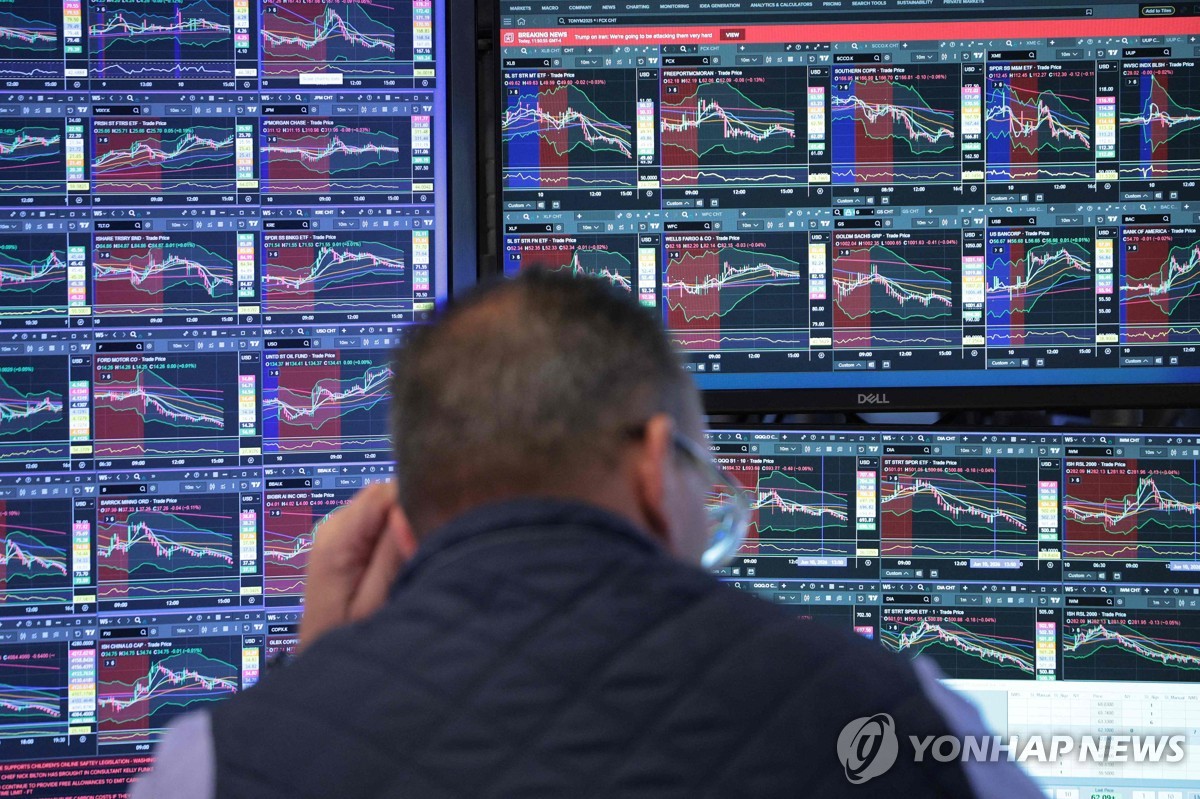
The KOSPI experienced extreme volatility on the 11th, fluctuating between gains and losses over 50 times throughout the day without finding a clear trend. Individual investors were hit hard by recent sell-offs, with approximately 300 billion KRW worth of shares held by retail investors forced into liquidation over the past two days.
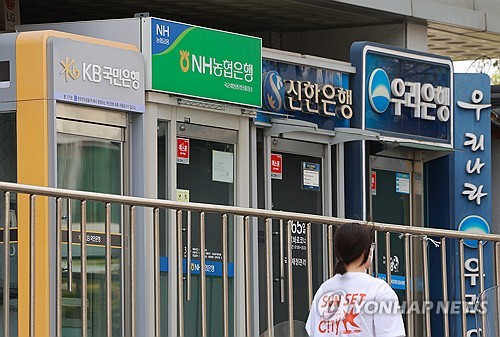
In this sharp correction, worsening investor sentiment has led to an increase of over 600 billion KRW in outstanding balances on overdraft accounts at major commercial banks. This suggests that investors tapped into borrowed funds to buy the dip during the KOSPI’s sharp declines on the 5th and 8th.
2. Key Volatility Factors Today
Rising Middle East Tensions
Tensions in the Middle East have reignited as the U.S. continued airstrikes against Iran for two consecutive days, leaving the domestic stock market facing further adjustment risks. The resumption of attacks by Washington has boosted demand for the dollar and pushed oil prices higher.
Doubts Over AI Expansion
The KOSPI opened sharply lower amid growing doubts regarding the sustainability of AI expansion. Analysts suggest that the significant correction in the U.S. stock market due to Middle East instability has spilled over into the domestic market.
Global Interest Rate Hike Outlook
Expectations for U.S. interest rate hikes persist. The continued strength of the dollar is maintaining pressure on the Korean won, which in turn erodes foreign investor returns and acts as a drag on the domestic market.
3. Macro Factors and Economic Indicators
Persistent Exchange Rate Pressure
The won-dollar exchange rate remains at a high level. Although the rate saw a temporary recovery following stabilization measures, the renewed U.S.-Iran tension has increased dollar demand, limiting further downside. Generally, a rising won-dollar exchange rate correlates with a decline in the domestic stock market.
KOSPI 52-Week Volatility
Over the past 52 weeks, the KOSPI has moved between 2,877.07 and 8,933.62, recording a 165.93% fluctuation over the last 12 months.
Ongoing Valuation Burdens
While the domestic stock market is expected to remain on an upward trajectory through 2026, supported by a semiconductor boom and improved corporate earnings, valuation burdens stemming from short-term rapid gains may limit the potential for further upside.

4. Summary and Investor Notes
The KOSPI is currently seeing extreme volatility as Middle East tensions, global interest rate concerns, and questions about AI sustainability intertwine. With individual investors suffering forced liquidations and losses, market confidence remains shaken. Investors should closely monitor three key areas: dollar strength/high exchange rates, geopolitical risks in the Middle East, and valuation pressures.
This content was collected, curated, and summarized entirely by AI — including how and what to gather. It may contain inaccuracies. Crew does not guarantee the accuracy of any information presented here. Always verify facts on your own before acting on them. Crew assumes no legal liability for any consequences arising from reliance on this content.
Powered by
