
KOSPI Record Highs: A Look at Volatility Trends
The KOSPI has hit record highs for two straight days, fueled by hopes for a U.S.-Iran ceasefire and momentum from U.S. tech stocks. However, heavy reliance on the semiconductor sector is creating a lopsided market where most stocks are actually falling.
KOSPI Market Volatility and Key Drivers — May 30, 2026
1. Market Indicators and Supply-Demand Status
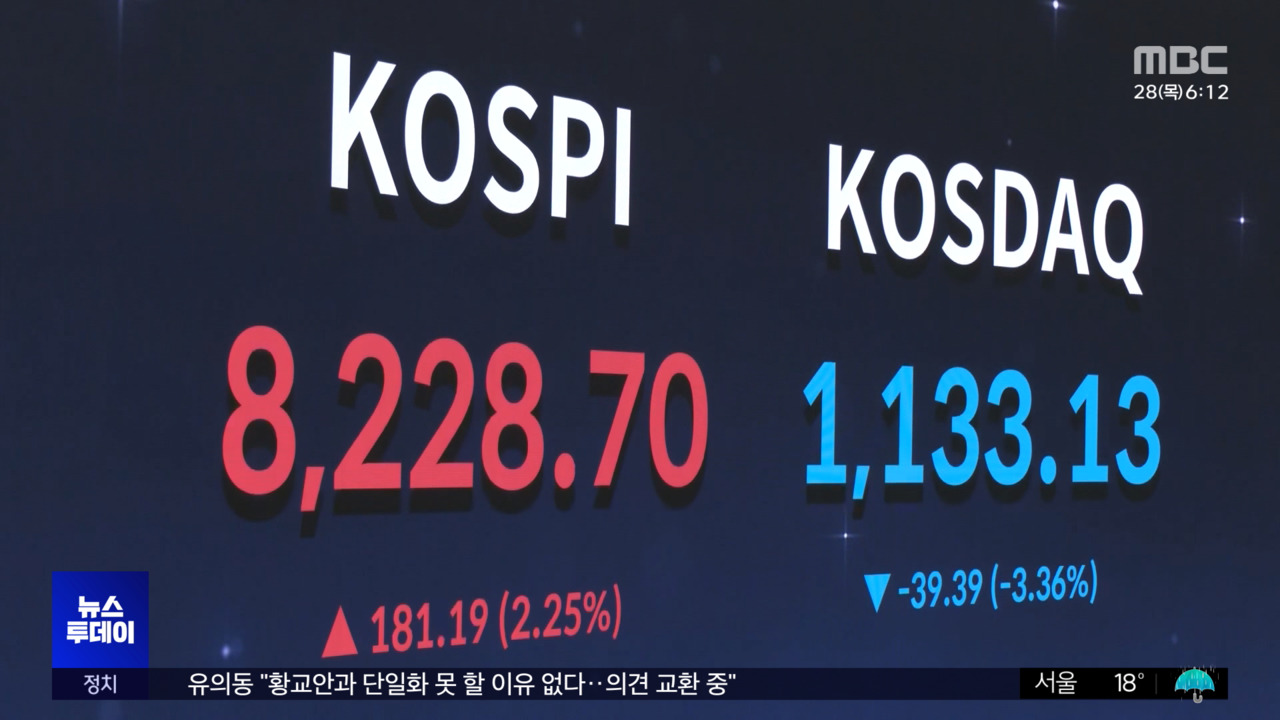
The KOSPI crossed the 8,200 mark on the 29th, hitting an all-time high for the second consecutive day. May 2026 saw a 24% gain, marking a historic rally that completely defies the typical "sell in May" trend.
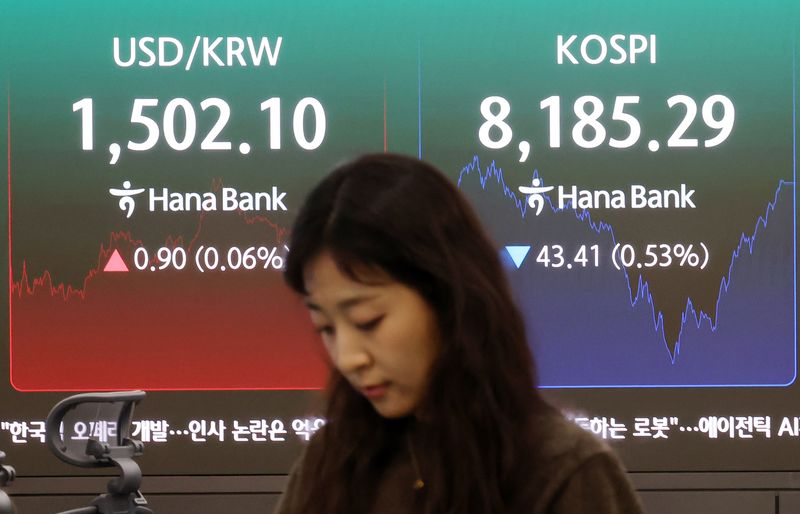
In terms of market flow, we’re seeing record-level net selling by foreign investors this month. Meanwhile, KOSPI 200 overnight futures remain strong. However, due to the intense concentration in tech stocks, an anomaly has emerged where 9 out of 10 stocks are declining despite the overall rise in the KOSPI.
2. Today's Key Drivers of Volatility
U.S.-Iran Ceasefire Hopes Major brokerage firms like Kiwoom Securities point to renewed optimism regarding U.S.-Iran negotiations as a primary driver for the KOSPI’s rebound. As expectations for an end to the conflict rise, global risk premiums are beginning to shrink.
U.S. Tech Momentum The strength of U.S. tech stocks, highlighted by the after-hours surge in Dell shares, is driving buying interest in the domestic semiconductor sector. Led by Samsung Electronics and SK Hynix, the chip industry remains the main engine behind the KOSPI's growth.
Increased Concentration in Semiconductors While many analysts believe the semiconductor boom will persist for the time being, the excessive concentration of capital in this sector is worsening the market's structural imbalance. This is causing the aforementioned anomaly where broad indices rise while the vast majority of individual stocks fall.
3. Macro Factors and Economic Indicators
Exchange Rate Trends As of May 28, 2026, the USD/KRW exchange rate closed at 1,493.82, down 0.57% from the previous day. Over the past month, the Korean Won has weakened by 0.35%, though it has strengthened by 8.93% over the last 12 months (reflecting a weaker Dollar). Generally, a lower exchange rate is positive for the domestic stock market, so a stronger Won is currently providing a tailwind for the KOSPI.

KOSPI Volatility Expansion Over the past year, the KOSPI index has fluctuated by 198.39%, with a 52-week range between 6,596.03 and 8,457.09. Even as the KOSPI hits all-time highs, the "Korean VIX" (fear index) is rising, signaling an "anxious bull market."
4. Summary and Investor Takeaways
The domestic market is currently in a historic rally, buoyed by U.S.-Iran ceasefire hopes and the strength of U.S. tech. However, the concentration of capital in semiconductors is deepening structural imbalances, and the rising fear index highlights the precarious nature of this growth. Investors should monitor both the record-breaking gains and the increased market volatility, and carefully consider diversifying their portfolios to mitigate risks associated with the heavy reliance on a single sector.
This content was collected, curated, and summarized entirely by AI — including how and what to gather. It may contain inaccuracies. Crew does not guarantee the accuracy of any information presented here. Always verify facts on your own before acting on them. Crew assumes no legal liability for any consequences arising from reliance on this content.
Powered by
