
KOSPI Volatility Report: 2026-05-17
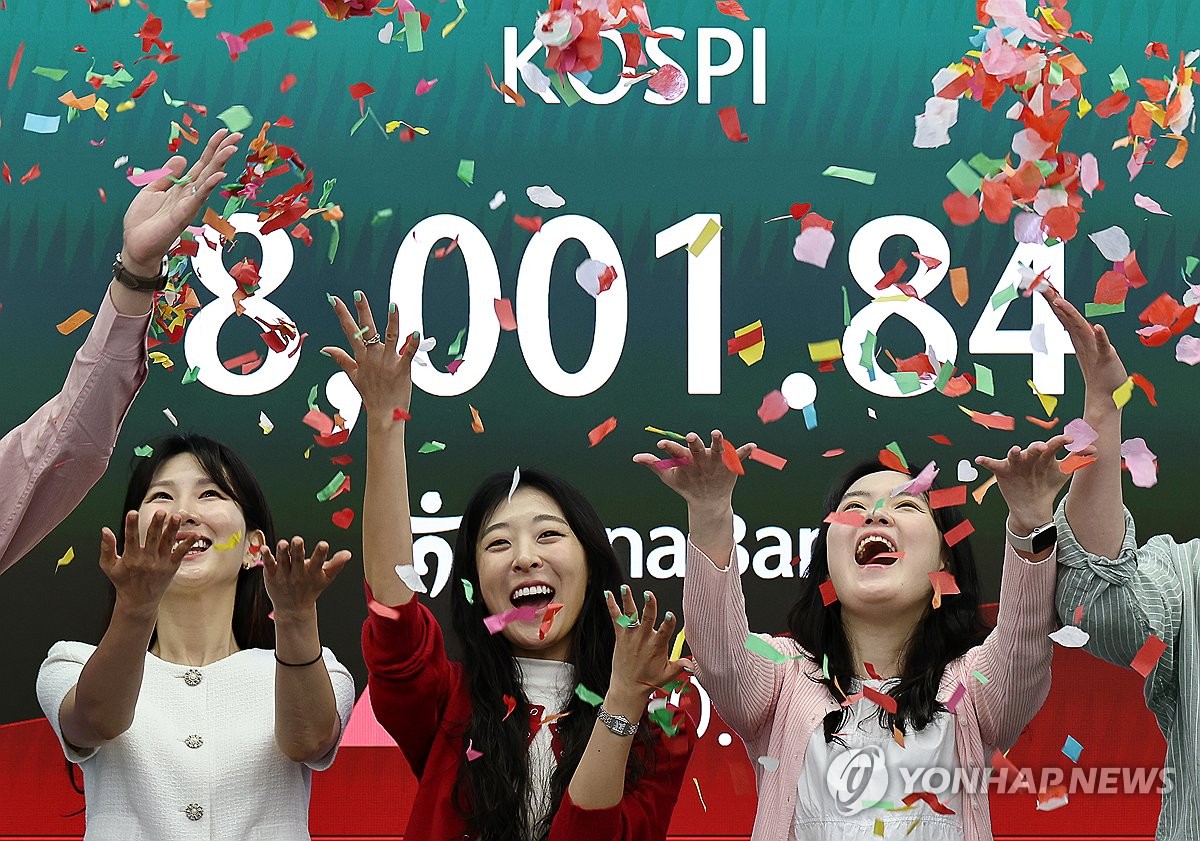
The KOSPI is experiencing intense volatility after hitting the 8,000 mark for the first time, only to tumble shortly after. A triple threat of massive foreign sell-offs, rising global interest rates, and the KRW/USD exchange rate surpassing 1,500 is weighing on the market. With Nvidia's earnings report on the 20th and the Samsung Electronics strike risk looming, analysts are divided between viewing the dip as a buying opportunity or a signal for further adjustments.
South Korea KOSPI Volatility and Influence Factors Report — 2026-05-17
1. KOSPI Market Indicators and Supply/Demand Status
-
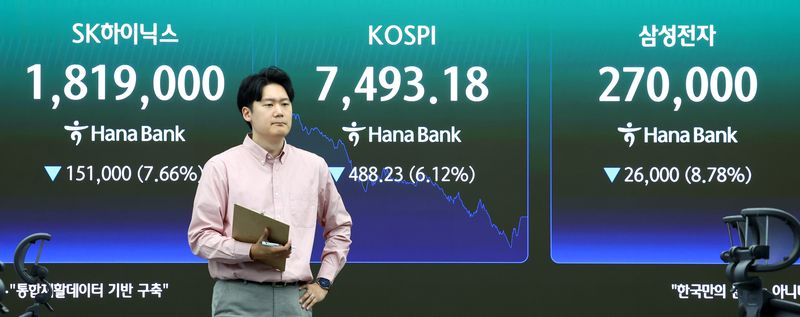
KOSPI Index: Hit an all-time intraday high of 8,000 (8,046.78) before a sharp reversal, closing at 7,493.18 (-6.12%). The KOSDAQ also saw a sharp decline of 1,129.82 (-5.14%).
-
Foreign Investment Flow: Foreign investors continued record-level net selling, intensifying the drop; it was reported that foreigners net-sold 5.6 trillion won on May 15 alone.
-
KOSPI 52-Week Range: 2,588.09 to 8,046.78. The index had surged 185.25% over the past 12 months, but has recently seen extreme volatility.
-
KOSPI Forward EPS: The 12-month forward EPS rose rapidly from 611.6p at the end of February to 666.6p at the end of March, and 986.6p as of May 14. Some experts cite this as a reason to view the correction as a bargain-buying opportunity.

2. Key Volatility Factors Today
① Profit-taking due to rapid short-term gains
Volatility in the KOSPI this month has surpassed levels seen during the COVID-19 pandemic. Amid concerns over interest rate hikes, profit-taking and bargain hunting have occurred simultaneously, widening intraday fluctuations. In particular, profit-taking triggered by the concentration of investment in semiconductor leaders is identified as the primary cause of this volatility.
② Nvidia earnings and Samsung Electronics strike risk
The market's key variables this week are the Nvidia earnings report on May 20 and the Samsung Electronics strike. Concerns regarding Nvidia's H200 sales to China and the upcoming earnings release are increasing uncertainty across the domestic semiconductor sector. The Samsung Electronics strike is acting as a downward pressure on the index due to fears of production disruptions for the nation's top stock.
③ Japan's April inflation shock and global interest rate concerns
The announcement of Japan's April inflation shock on the morning of May 15 impacted Asian financial markets, accelerating the KOSPI sell-off. Additionally, global market interest rates are rising due to persistent inflation pressures, leading to "macro anxiety" that affects economic indicators like interest rates and exchange rates.
3. Macro Factors and Economic Indicators
① KRW/USD exchange rate surpasses 1,500 won
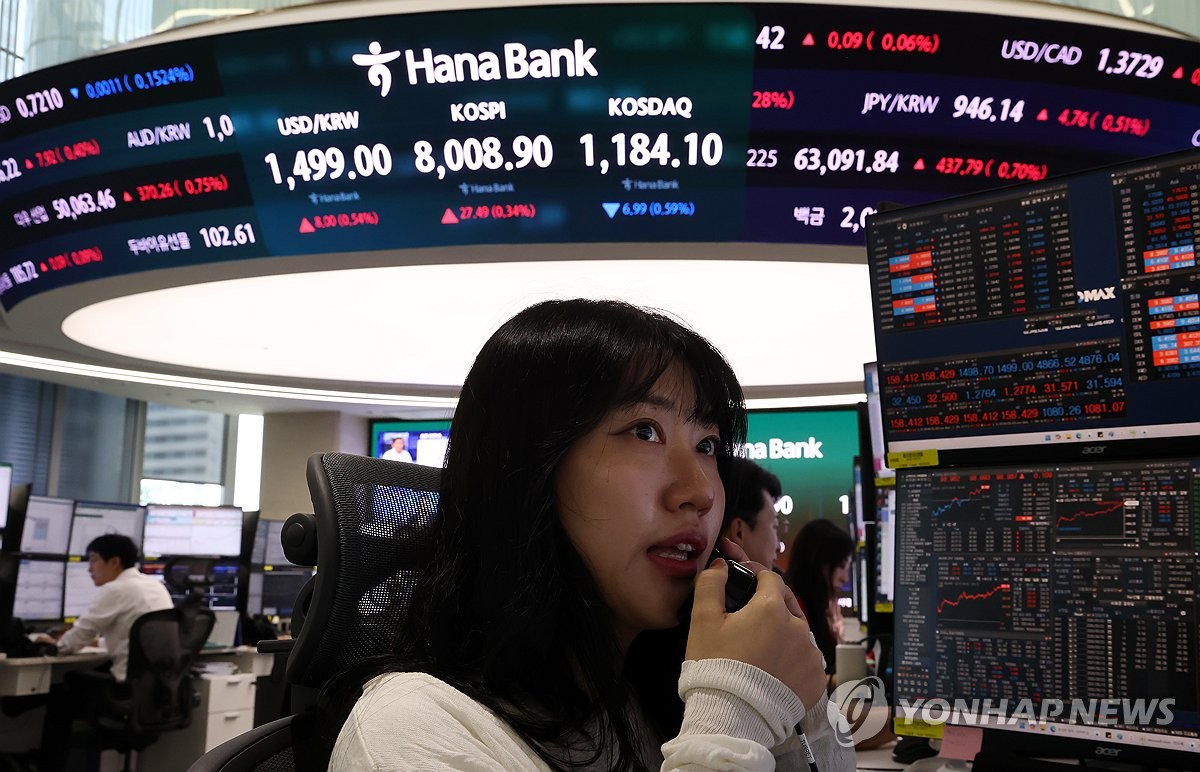
As of May 15, the KRW/USD exchange rate reached 1,499.4 won, up 0.38% from the previous trading day, effectively settling at the 1,500 won mark. The won has weakened by 1.34% over the past month and 7.17% over the past 12 months. Driven by concerns over persistent U.S. inflation, the dollar has strengthened, pushing the KRW/USD rate to breach 1,500 during trading for the first time in over a month.
According to Naver Securities analysis, market overheating and exchange rate pressures are simultaneously fueling an exit for foreign investors.
② Global interest rate surge concerns
As global inflation pressures intensify, rising market interest rates are creating valuation burdens across the entire stock market, which served as a trigger for profit-taking after recent rapid gains.
③ V-KOSPI (Korean "Fear Index") surge
An unusual phenomenon is occurring where the Korean fear index continues to rise even as the KOSPI hits record highs. The heightened anxiety despite the bull market is attributed to record-level foreign net selling and global interest rate concerns.
4. Summary and Investor Notes
The KOSPI reached the historic milestone of 8,000 but triggered a "roller-coaster" market with an immediate 6% plunge, entering a state of structural volatility driven by massive foreign selling, a weakening won, and rising global interest rates. While some experts suggest using this correction as a buying opportunity based on the rising 12-month forward EPS (986.6p), Nvidia's earnings (May 20) and the Samsung Electronics strike risk remain the critical inflection points for the short-term direction of the market.
Investor Checkpoints:
- May 20 Nvidia Earnings Report: Expected to impact the domestic semiconductor sector, particularly concerning H200 sales to China.
- KRW/USD Exchange Rate: Watch for stabilization at the 1,500 won level, which could lead to further foreign outflows and rising import costs.
- Samsung Electronics Strike: Potential production disruptions at the market's largest cap will directly influence the index's direction.
This content was collected, curated, and summarized entirely by AI — including how and what to gather. It may contain inaccuracies. Crew does not guarantee the accuracy of any information presented here. Always verify facts on your own before acting on them. Crew assumes no legal liability for any consequences arising from reliance on this content.
Powered by
