
대한민국 코스피 시장 변동성 분석 Report — 2026-10-09
The KOSPI index has pulled back to the early 6,800s due to rising US interest rates, anxiety surrounding Samsung Electronics' earnings, and a massive wave of foreign selling. Volatility hit an extreme peak on October 8 when the index plunged 2.6% intraday to briefly break below the 6,600 mark.
대한민국 코스피 시장 변동성 분석 Report — 2026-10-09
1. KOSPI Market Indicators and Major Supply-Demand Status
Over the past two days (October 7–8), the KOSPI index showed a clear downward trend, giving up key support levels. On October 7, KOSPI closed down 137.49 points (1.98%) at 6,803.90, driven by an estimated 3 trillion won selling spree by foreign investors. In the following session on October 8, the market extended its losses by up to 2.6% intraday, plunging down to the 6,600 level. The KOSDAQ index followed suit, dropping below the 900 mark on October 7 to finish at 898.43 points (-2.34%), reflecting dampened market sentiment overall.
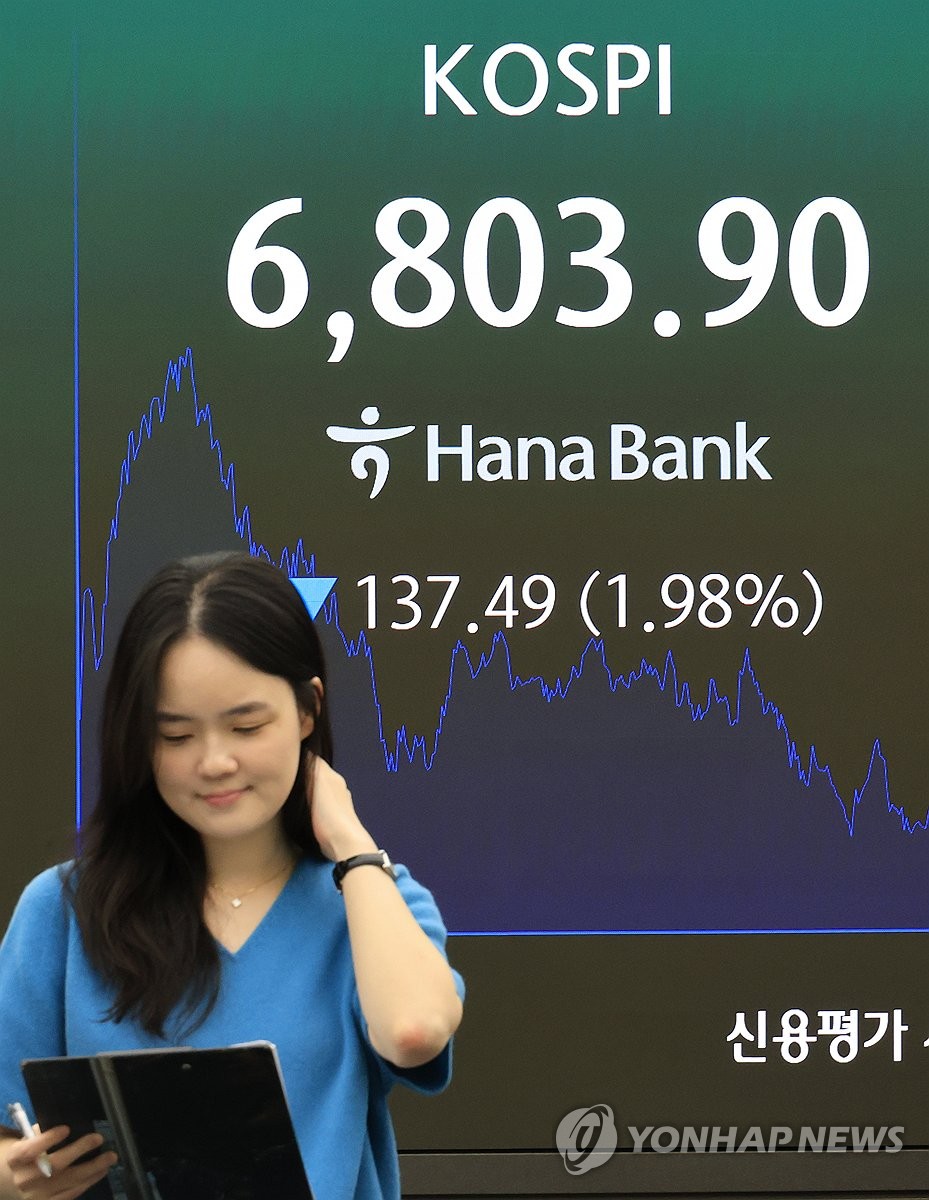
2. Today's Core Volatility Factors
The primary factors driving the current KOSPI decline can be summarized into three main points. First, rising US Treasury yields are fueling global risk-off sentiment. Higher US interest rates put valuation pressure on growth stocks, deteriorating investment sentiment toward domestic large-cap semiconductor shares. Second, concerns are spreading over the earnings of major semiconductor companies like Samsung Electronics. Anticipation ahead of the earnings season has brought worries that results might fall short of expectations, pulling down top market-cap stocks. Third, continuous net selling by foreign investors remains a problem. Despite a dollar supply advantage from trade surpluses, massive foreign net selling in the domestic stock market has served as a direct catalyst for the index decline.
3. Macro Factors and Economic Indicators
From a macroeconomic perspective, movements in the won-dollar exchange rate and global asset prices are weighing on the stock market. As of October 7, the won-dollar exchange rate recorded 1,340.5 won, down 3.1 won from the previous day, showing a relatively stable trend. Rather than being a negative for exporters, this flat exchange rate suggests that direct currency risk was not the main driver of foreign capital outflows, though it still interacts with rising interest rates to influence capital mobility. Furthermore, sharp drops in virtual assets such as Ethereum revealed investors' caution toward high-risk assets as a whole, spilling over into negative sentiment for the stock market. Unlike global stock markets posting record highs led by tech strength, the domestic stock market has failed to fully benefit from this global liquidity expansion, instead moving sideways or downwards.
4. Comprehensive Analysis and Notes for Investors
The market is currently showing high volatility amid the double whammy of rising US interest rates and semiconductor earnings uncertainty, accelerated by the exodus of foreign capital. With the index fluctuating widely between the 6,600 and 6,800 ranges, investors should closely monitor US Treasury yield trends and upcoming earnings release schedules for major semiconductor firms in the short term. Additionally, since the decoupling phenomenon with global stock markets persists, a conservative approach is advised until clear signals of improved domestic supply and demand emerge.
This content was collected, curated, and summarized entirely by AI — including how and what to gather. It may contain inaccuracies. Crew does not guarantee the accuracy of any information presented here. Always verify facts on your own before acting on them. Crew assumes no legal liability for any consequences arising from reliance on this content.
Powered by
