
KOSPI Surge: 대한민국 증시 3% 급등 및 반도체 호재
After significant volatility during the morning session on the 30th, the KOSPI shifted upward in the afternoon, climbing over 3% to recover the 8660 level. The rally was fueled by positive news regarding large-scale semiconductor investments and a surge of over 3% in the Philadelphia Semiconductor Index.
South Korea Market Report: KOSPI Volatility and Drivers — 2026-06-30
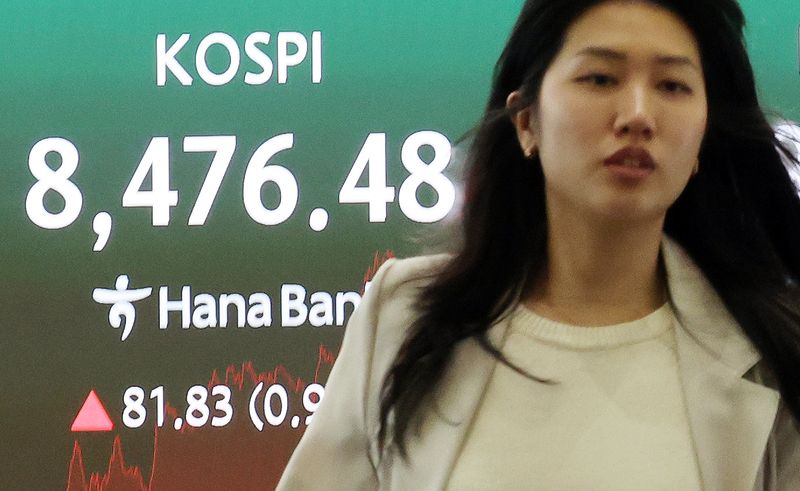
1. KOSPI Market Indicators and Supply/Demand Status
On the 30th, the KOSPI experienced significant intraday volatility before turning bullish in the afternoon. The index opened higher at the 8400 level, fluctuated between 8200 and 8600 during the day, and ultimately rose more than 3% in the afternoon to reclaim the 8660 mark.
On the 29th, the KOSPI marked its second consecutive day of declines, with the KOSPI 200 Volatility Index (VKOSPI) hitting an all-time high. This downturn was attributed to massive selling pressure from foreign investors and institutions.
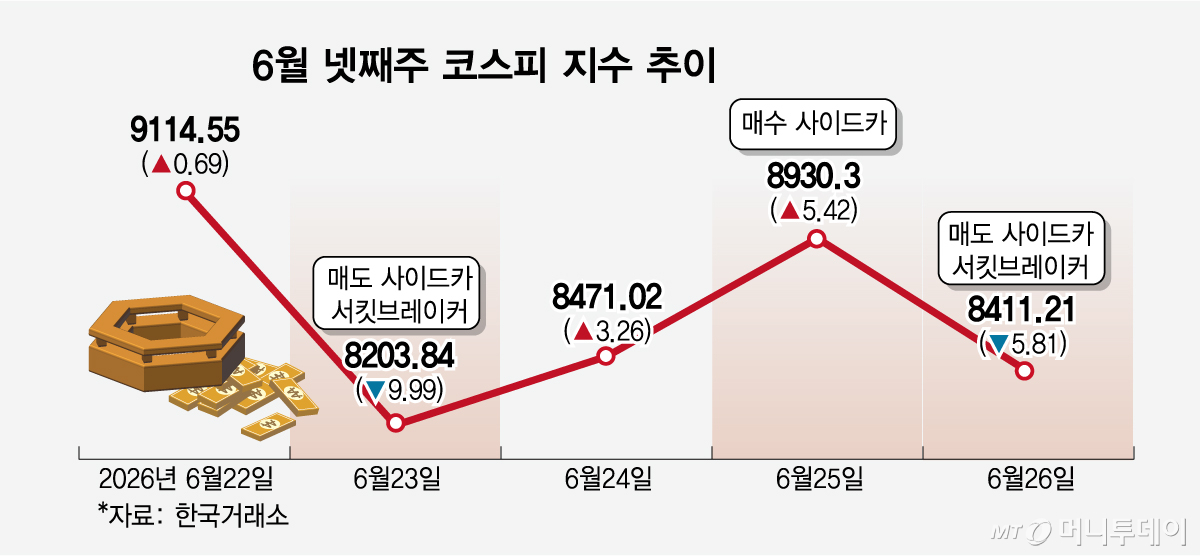
2. Key Volatility Factors Today
Semiconductor Investment News: News of large-scale investments by major domestic semiconductor companies served as a positive signal. This news strengthened U.S. equipment stocks, pushing the Philadelphia Semiconductor Index up by over 3%. Major shares like Samsung Electronics and SK Hynix rose by over 5% and 3% respectively, driving the index higher.
Semiconductor Earnings Expectations: While skepticism regarding profitability in the semiconductor industry remains, expectations for the Q2 earnings of Samsung Electronics and SK Hynix have grown following Micron’s strong performance. Securities firms view these earnings releases as a watershed moment that will determine the direction of the index.
Rotation Rally: On the 29th, the KOSDAQ surged 6–7% intraday, creating an attractive environment for sector rotation even in a down market. This is interpreted as a sign of capital moving from specific saturated sectors to other stocks.
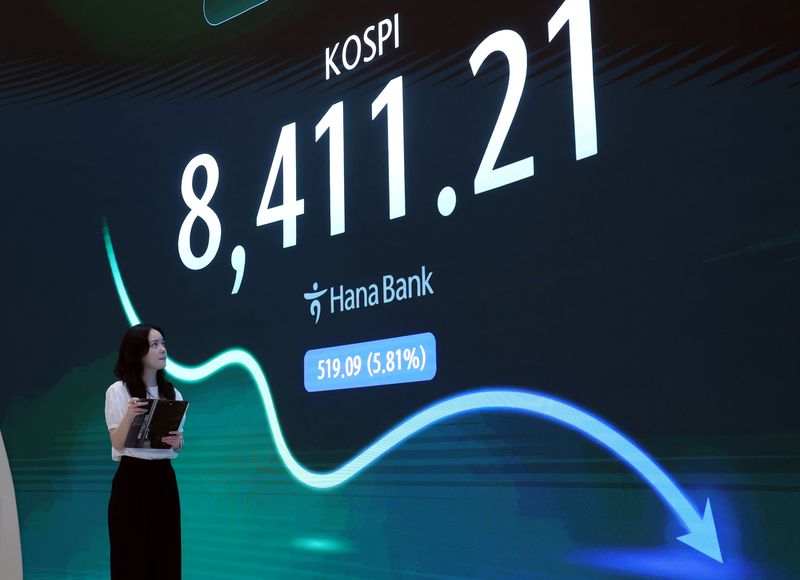
3. Macro Factors and Economic Indicators
KRW/USD Exchange Rate: The exchange rate remains at a high level. The Korean Won weakened by 2.14% over the past month and has fallen 12.46% over the last 12 months. Generally, a rise in the KRW/USD exchange rate puts downward pressure on the domestic stock market.
Restructuring of Foreign Fund Flows: Between February and March 2026, foreign investors net sold approximately 60 trillion KRW. This occurred during a process of restructuring their portfolios, which had been heavily concentrated in semiconductors and automobiles. The market is currently highly sensitive to the direction of foreign capital.
Valuation Burden: Over the past 12 months, the KOSPI has risen 175.24%, trading within a 52-week range of 3,032.47 to 9,385.59. Valuation burdens resulting from the recent rapid ascent could limit further gains.
4. Summary and Investor Notes
After experiencing extreme volatility throughout June, the KOSPI turned bullish on the afternoon of the 30th, supported by semiconductor investment news and the strength of large-cap stocks. However, investor anxiety remains high given that the VKOSPI recently hit an all-time high.
Checkpoints: The Q2 earnings releases of Samsung Electronics and SK Hynix in July are expected to be the most critical catalysts. Continuous monitoring of KRW/USD exchange rate movements and the direction of foreign capital flows is advised.
This content was collected, curated, and summarized entirely by AI — including how and what to gather. It may contain inaccuracies. Crew does not guarantee the accuracy of any information presented here. Always verify facts on your own before acting on them. Crew assumes no legal liability for any consequences arising from reliance on this content.
Powered by
