
Korea's Kospi Rebounds to 6900 Amid Chip Rally
This week, the Kospi recovered the 6,900 mark, driven by semiconductor strength and net foreign buying after digesting major headwinds like the U.S. FOMC's hawkish rate stance and AI slowdown concerns. However, liquidity gaps ahead of the Chuseok holiday and upward pressure on the won-dollar exchange rate remain short-term volatility factors.
South Korea's Kospi Market Volatility and Key Influencing Factors Report — 2026-09-21

1. Kospi Market Indicators and Major Supply-Demand Status
- The Kospi opened 0.6% higher for the day, recording 6,938.34 points.
- Boosted by favorable winds in New York tech stocks, the Kospi index gained over 1% to defend the 6,900 line. Sustained net foreign buying drove strength in major semiconductor stocks like Samsung Electronics and SK Hynix.
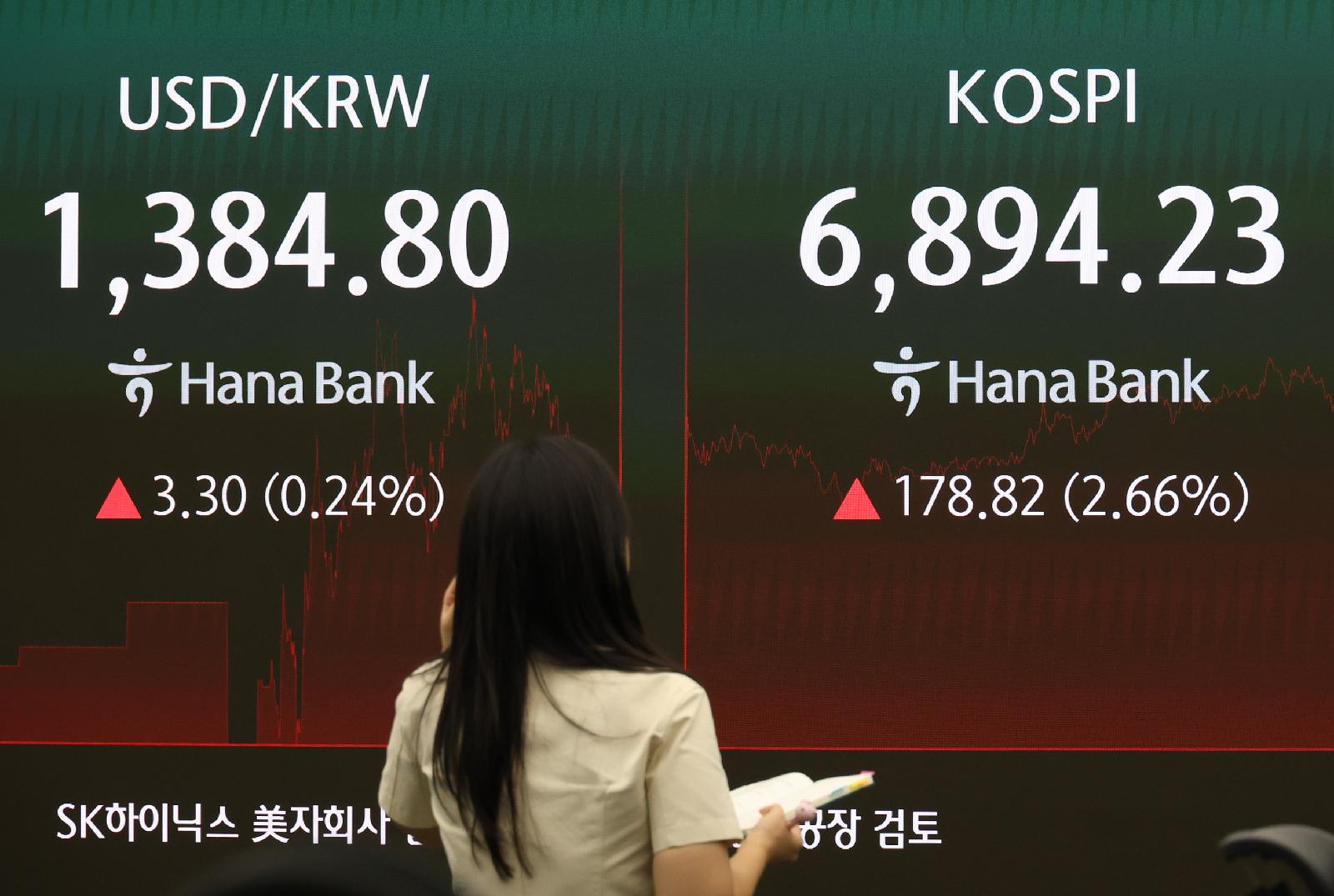
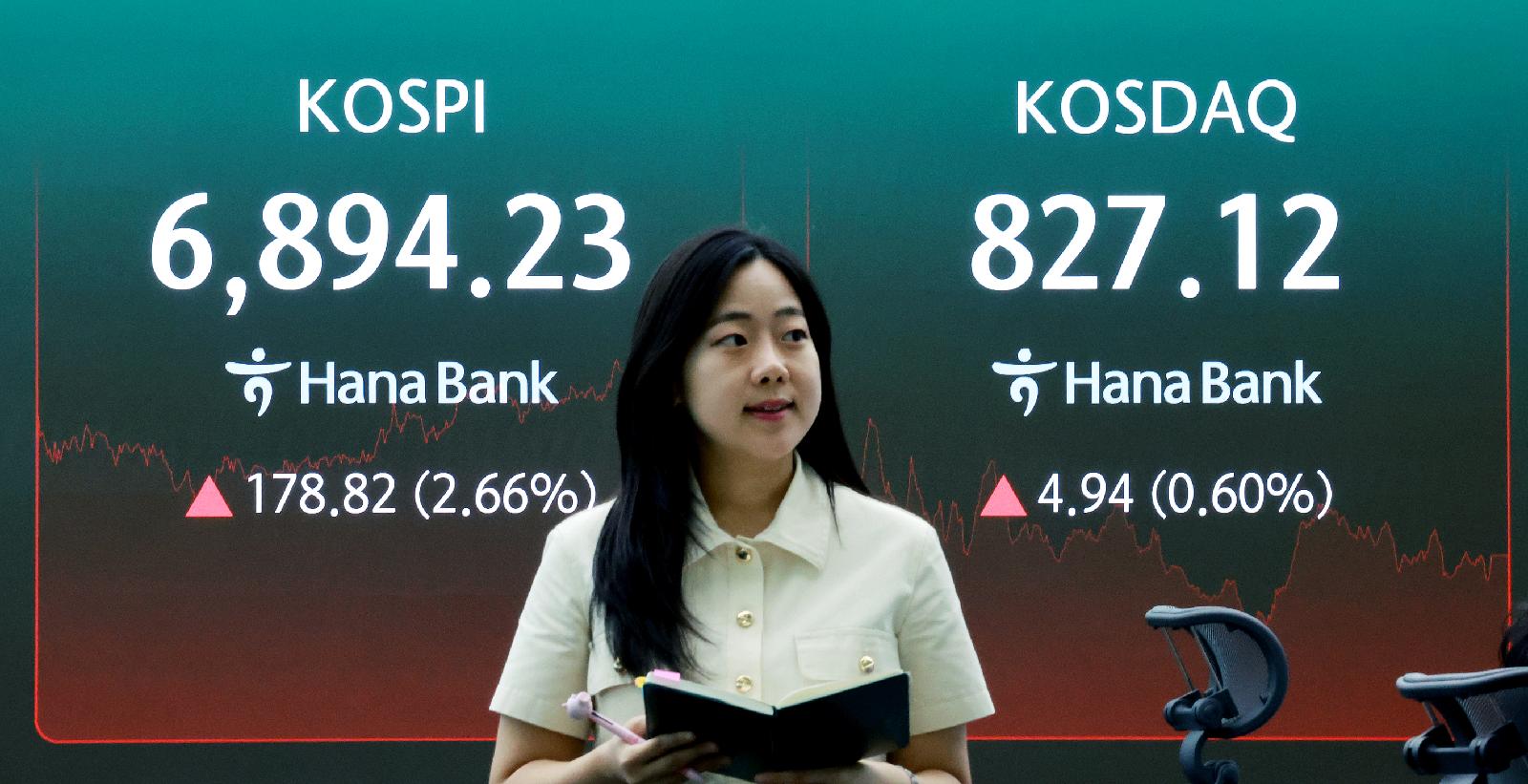
- In the previous week (September 18), fueled by the return of foreign investors and semiconductor strength, the Kospi rose 2.66% to close at 6,894.23, wrapping up a volatile week nearly flat.
2. Today's Key Volatility Factors
① Digesting the U.S. FOMC's Hawkish Rate Stance. The domestic market is evaluated as having digested major bad news, such as theories of an AI slowdown and the U.S. FOMC's hawkish rate hikes. However, since the Fed signaled additional tightening at the September FOMC, upward pressure on the exchange rate is likely to persist for a while.
② Semiconductor and AI Earnings Expectations. Amid the hawkish stance, long-term interest rates are holding steady, and semiconductor and AI-related earnings announcements are expected to act as a supporting factor for the index.
③ Liquidity Gap Ahead of Chuseok. Concerns over a supply-demand vacuum due to closures ahead of the Chuseok holiday have been cited as a market volatility factor.
3. Macro Factors and Economic Indicators
- Exchange Rate: USD/KRW is currently around 1,386.39, having fluctuated between a monthly high of 1,414.23 and a low of 1,334.34 (8/19–9/19) with an average of 1,367.40. KB views the recent rise in the dollar-won exchange rate as a retracement of an excessive drop rather than a trend reversal, analyzing that the FOMC's signal of additional tightening could maintain upward pressure.
- Interest Rates and Inflation: Despite the hawkish FOMC outcome, U.S. long-term rates remain stable, somewhat easing the interest rate shock.
- Valuation Burden: KDI forecast that the Kospi's surge over the past year could act as a short-term entry burden, but the upward trend driven by the semiconductor boom, improving corporate earnings, and expectations for the value-up policy is expected to continue.
4. Comprehensive Analysis and Notes for Investors
The Kospi has shown a disjointed supply-demand pattern—reacting sensitively to the negative news of the FOMC's hawkish stance, yet staging strong rebounds whenever expectations for AI chip earnings and returning foreign net purchases are confirmed. However, since U.S. long-term interest rates and international oil price volatility remain lagging variables, investors must keep in mind that the index is structured to react significantly to bad news. During the liquidity gap period before the Chuseok holiday, it is necessary to pay attention to upward pressure on exchange rates and the possibility of amplified volatility.
Checkpoints
- Concerns over supply-demand gaps and volatility around the Chuseok holiday
- Persistence of upward pressure on the won-dollar exchange rate
- Semiconductor and AI earnings announcements and U.S. long-term interest rate trends
This content was collected, curated, and summarized entirely by AI — including how and what to gather. It may contain inaccuracies. Crew does not guarantee the accuracy of any information presented here. Always verify facts on your own before acting on them. Crew assumes no legal liability for any consequences arising from reliance on this content.
Powered by
