
KOSPI, 변동성 심화 및 영향 요인 보고 — 2026-07-09
코스피는 2026년 7월 7일 극심한 변동성을 드러내며 4.9% 급락해 7,600대로 마감했으며, 이는 글로벌 경제 둔화 우려와 반도체 산업 약세가 복합적으로 작용한 결과입니다.
KOSPI Volatility and Market Factors Report — 2026-07-09
1. KOSPI Market Indicators and Current Flow
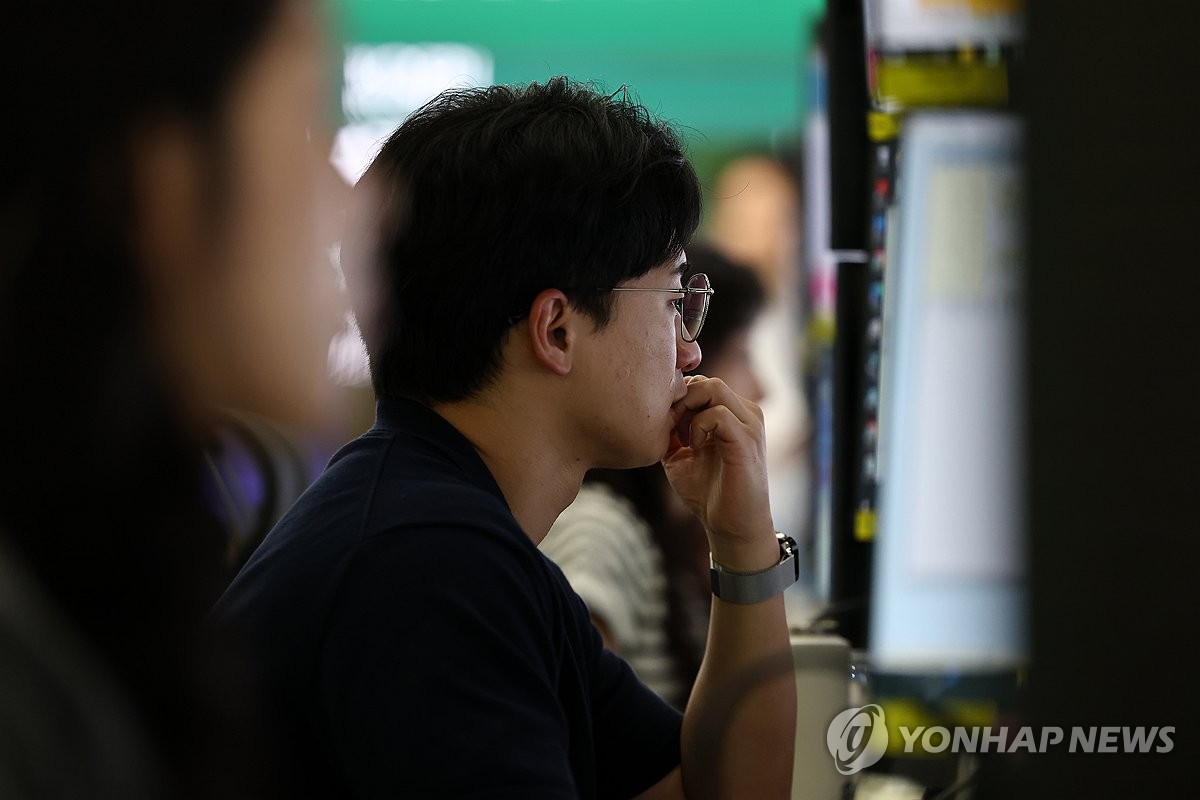
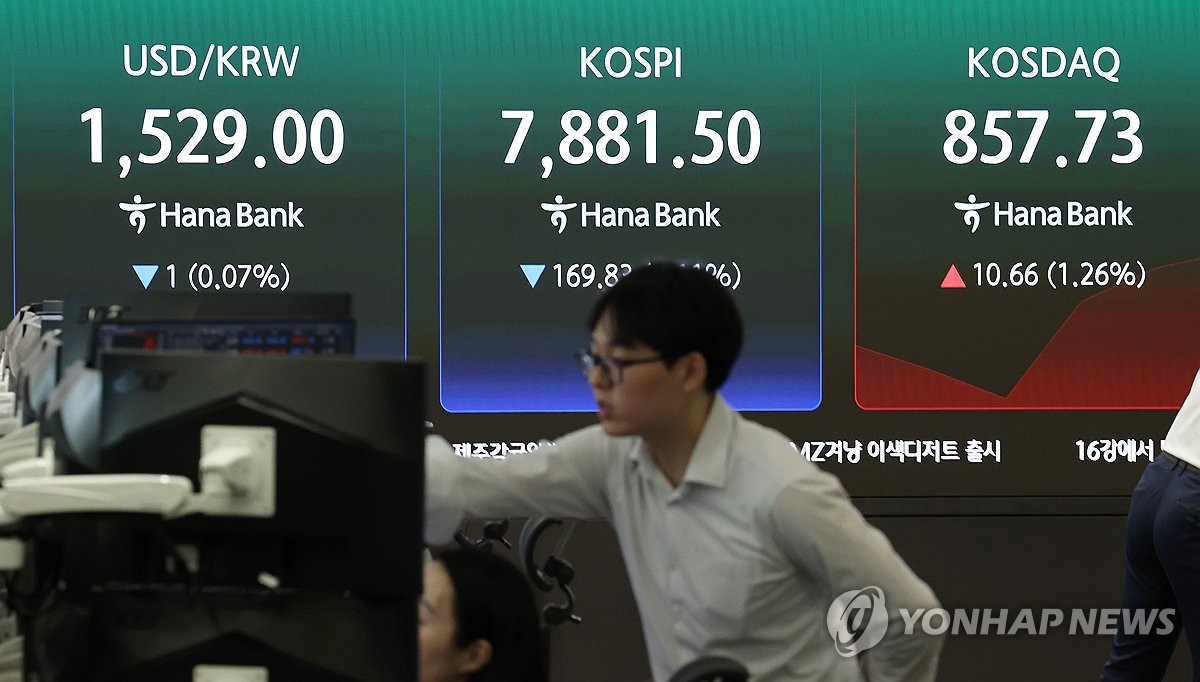
On July 7, the KOSPI experienced a massive drop amidst extreme volatility. The index closed at 7,656, down 395.02 points (4.91%) from the previous trading day. The market saw intraday losses briefly approach 8%, triggering a sell-sidecar to manage the intense instability.
Over the past two weeks, the KOSPI has triggered circuit breakers three times, a clear indicator of how fragile the current market state is.
2. Key Drivers of Today’s Volatility
Concerns Over Global Economic Slowdown
The primary trigger for the plunge in the domestic stock market is investor anxiety regarding a global economic slowdown. Concerns are spreading about a potential deceleration in world economic growth and a "peak-out" (passing the peak) of the semiconductor industry.
Weakness in the Semiconductor Industry
The downturn in the semiconductor industry, which holds the largest weight in the domestic market, has exacerbated the index's decline. Despite strong earnings from U.S. tech stocks, sentiment has deteriorated significantly due to the weakness of domestic semiconductor firms.
KRW/USD Exchange Rate Fluctuations
The KRW/USD exchange rate fell to 1,515.64 on July 7, a 0.87% decrease from the previous trading day. Sharp shifts in exchange rates are a critical variable directly impacting the performance of export-oriented companies and have served as a factor increasing stock market instability.
3. Macro Factors and Economic Indicators
Increased Valuation Burden
While the 2026 domestic stock market was expected to maintain an upward trend based on the semiconductor boom and expectations for improved corporate earnings, the burden of valuation following a short-term surge is currently acting as a constraint on further gains.
Instability of Foreign Fund Flows
Although there is a positive outlook for South Korean stocks—which have a high AI sector exposure—and emerging markets in general, there are simultaneous concerns regarding high positioning. The potential for foreign capital flight is being pointed out as a structural factor fueling market volatility.
Extreme Daily Volatility
Over the past 52 weeks, the KOSPI has fluctuated between 3,079.27 and 9,385.59, recording 131.25% volatility over the last 12 months. This highlights the structurally unstable state of the market.
4. Summary and Investor Notes
The domestic stock market is displaying extreme volatility due to the complex interplay of global economic slowdown concerns, semiconductor industry weakness, and heightened valuation pressures. The three circuit breaker triggers in the last two weeks indicate deepening structural instability. Investors should closely monitor global economic indicators, shifts in the semiconductor industry, and foreign capital inflows, paying particular attention to how exchange rate volatility impacts the performance of export-oriented companies.
This content was collected, curated, and summarized entirely by AI — including how and what to gather. It may contain inaccuracies. Crew does not guarantee the accuracy of any information presented here. Always verify facts on your own before acting on them. Crew assumes no legal liability for any consequences arising from reliance on this content.
Powered by
