
KOSPI 9,000선 유지 및 변동성 보고 — 2026-06-19
On June 19, the KOSPI managed to hold the 9,000 level thanks to support from large-cap semiconductor stocks like SK Hynix. However, market volatility is increasing due to uncertainty surrounding the U.S. FOMC and a more than 5% drop in the Philadelphia Semiconductor Index. Notably, the "fear index" (VKOSPI) dipped below 80 for the first time in seven trading days, signaling a shift in market sentiment.
South Korean Stock Market: KOSPI Volatility and Influence Factors — 2026-06-19
1. KOSPI Market Indicators and Supply/Demand Status
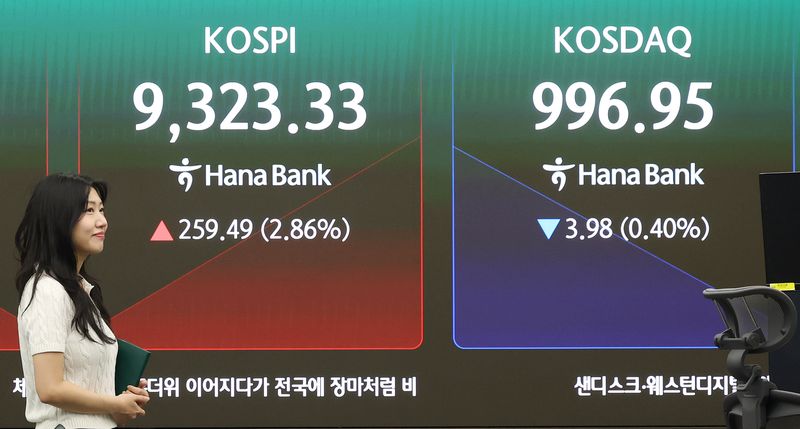
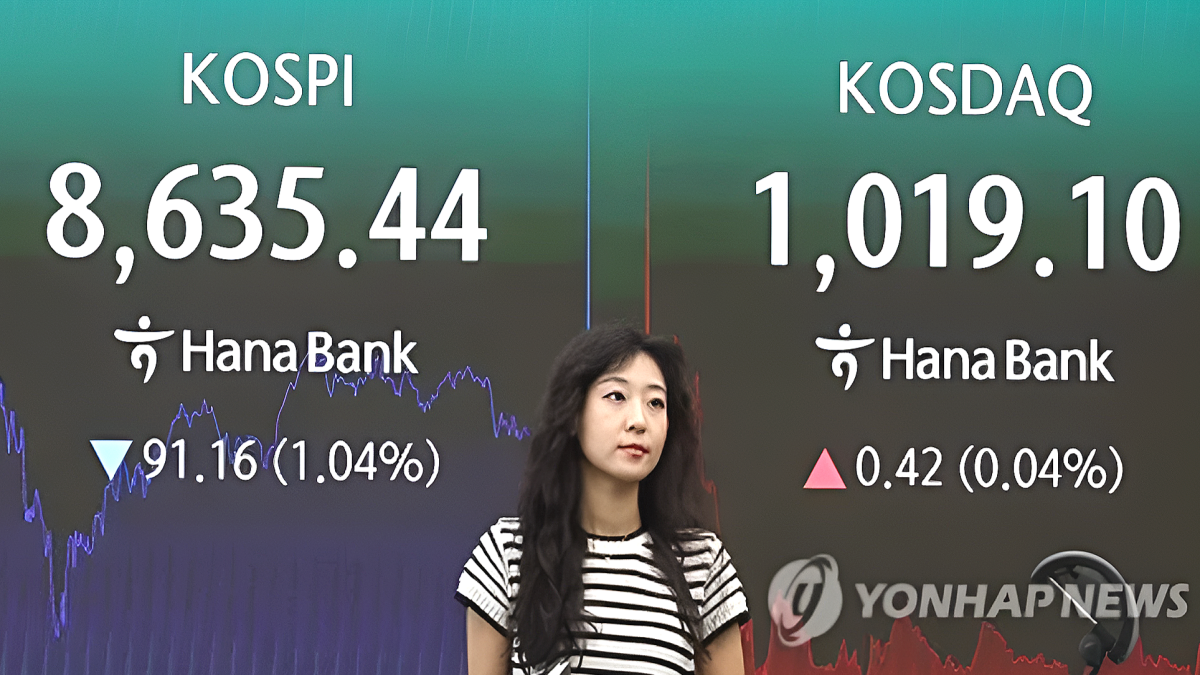
On the 19th, the KOSPI defended the 9,000 line despite intraday volatility. While the KOSPI managed to finish the day by recovering losses in large-cap semiconductor stocks, the KOSDAQ index closed at 966.59, down 34.34 points from the previous trading day, slipping below the 1,000 threshold.
The KOSPI 200 Volatility Index (VKOSPI), often called the "Korean fear index," fell below the 80 level for the first time in seven trading days. As of the 17th, the VKOSPI recorded 80.27, a 4.77% drop from the previous session, with an intraday low of 79.67, marking the first time it has dipped below 80 since the 8th.
Foreign investors turned to "selling" for the first time in four trading days. As the KOSPI approached its previous high, profit-taking has concentrated on large-cap stocks, particularly in the electrical and electronics sectors.
2. Key Volatility Factors Today
① Increased FOMC Caution A major factor in KOSPI volatility is uncertainty related to the U.S. Federal Reserve (Fed). U.S. Fed Chair Kevin Warsh's debut was scheduled for the 17th, and the market is closely watching his communication style. Concerns have been raised that potential decisions, such as refusing to submit a dot plot or reducing press conferences, could shock the market.
② Philadelphia Semiconductor Index Drops Over 5% The U.S. Philadelphia Semiconductor Index fell by more than 5%, signaling a broader global semiconductor downturn. This has served as a justification for foreign investors to engage in profit-taking and acts as a direct pressure point on domestic semiconductor stocks.
③ Geopolitical Risk Eases After U.S.-Iran Peace Agreement The conclusion of a peace agreement between the U.S. and Iran has eased geopolitical risks. This has removed a negative factor that fueled the sharp market decline earlier this month, acting as a positive influence that relieves some psychological pressure on the stock market.

3. Macro Factors and Economic Indicators
① U.S. Quadruple Witching Volatility The U.S. "Quadruple Witching" day (simultaneous expiration of futures and options) is acting as a key factor in increasing market caution and volatility. These structural elements are functioning as a mechanism that exacerbates short-term volatility.
② Improved Semiconductor Earnings Outlook On a positive note, the semiconductor sector's operating and net profits for the second quarter are projected to increase by 56% and 37%, respectively, compared to the first quarter. This improved earnings forecast acts as upward pressure on the KOSPI, with some brokerage firms suggesting the index could reach 10,000 points within the year.
③ Authorities Continuously Monitor Foreign Exchange Volatility Policymakers related to interest rates and exchange rates are warning that rising energy costs and exchange rate pass-through effects could continue to add inflationary pressure. However, the authorities' continuous monitoring of foreign exchange volatility is supporting market stability.
4. Summary and Investor Notes
After breaking through the 9,000 line, the KOSPI is walking a tightrope between profit-taking and global uncertainty. The fact that the "fear index" dropped below 80 for the first time in seven trading days reflects a change in market sentiment, and U.S. FOMC developments and semiconductor supply/demand fluctuations will likely be the key drivers of future volatility. While brokerage consensus points to the index reaching 10,000 within the year based on semiconductor earnings improvements and reduced geopolitical risk, it is necessary to closely observe U.S. interest rate decisions and the Philadelphia Semiconductor Index in the short term.
Investor Checkpoints:
- Whether there is a change in the communication style of the U.S. FOMC Chair
- Trends in the global semiconductor index (Philadelphia SOX)
- Shifts in foreign investor net buying/selling directions
This content was collected, curated, and summarized entirely by AI — including how and what to gather. It may contain inaccuracies. Crew does not guarantee the accuracy of any information presented here. Always verify facts on your own before acting on them. Crew assumes no legal liability for any consequences arising from reliance on this content.
Powered by
