
KOSPI, 변동성(Volatility)과 불확실성 사이의 줄타기
한국 경제가 50년 만의 고성장을 기록 중이지만, 코스피는 극심한 변동성과 양극화라는 구조적 난제에 부딪혀 있습니다. 최근 환율 상승과 거시경제적 불확실성이 겹치며 지수가 롤러코스터 장세를 보이고 있습니다.
KOSPI Market Volatility and Key Influencing Factors — 2026-06-15
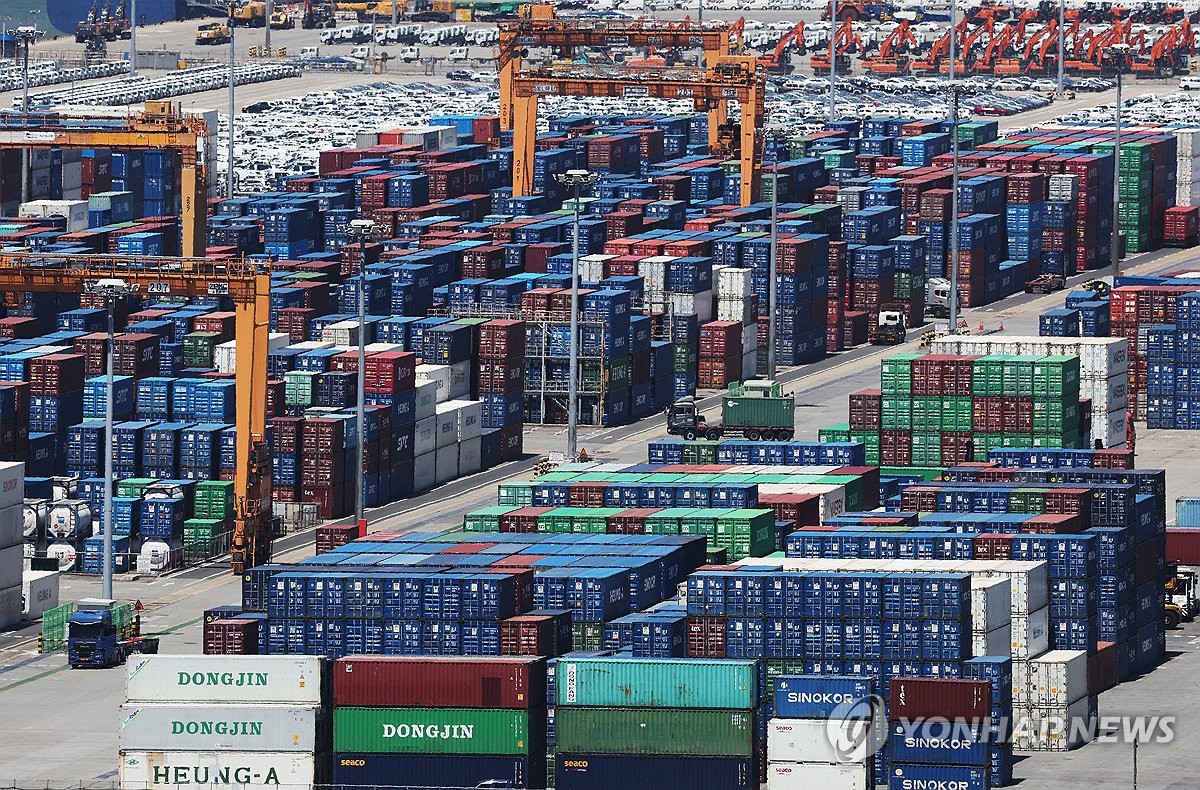
1. KOSPI Market Indicators and Flow Status
The South Korean stock market has recently shown severe volatility. Over the past 12 months, the KOSPI index has fluctuated between 2,886.13 and 8,933.62, representing a volatility rate of 189.65%.
As of June 12, 2026, the USD/KRW exchange rate rose to 1,518.27, an increase of 0.14% from the previous trading day. The Korean Won has weakened by 1.90% over the past month and has fallen by 11.13% over the last 12 months.
Over the past 52 weeks, the USD/KRW rate has fluctuated between 1,347.07 and 1,562.47, with current levels remaining relatively high.
2. Key Volatility Factors Today
Lack of Direction and High Volatility
The KOSPI has recently been unable to find a clear direction, swinging back and forth throughout the day. On the 11th, the KOSPI flipped between gains and losses over 50 times, deepening confusion among retail investors.
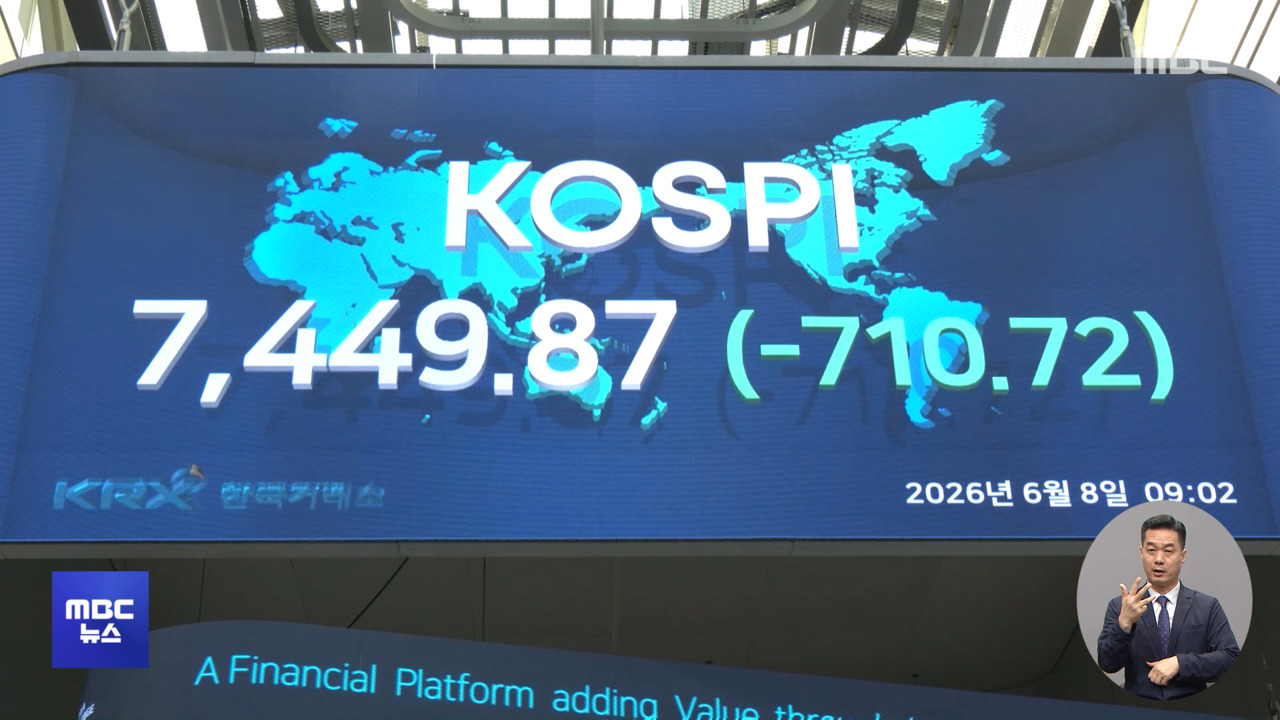
Foreign Capital Outflow due to Rising Exchange Rates
As the weakness of the Won persists, hedging costs for foreign investors are rising. Generally, when the USD/KRW rate rises, the domestic stock market tends to decline. This is because, from the perspective of foreign investors, even if profits are made from gains in the domestic market, the actual returns can be diminished by currency losses.
Macroeconomic Uncertainty and Valuation Pressure
While the domestic stock market in 2026 is projected to maintain an upward trend driven by the semiconductor industry boom and improved corporate earnings, valuation burdens resulting from the sharp surge over the past year are acting as a constraint on further gains.
3. Macro Factors and Economic Indicators
Continuous Rise in Exchange Rates
The USD/KRW exchange rate is not stabilizing in the mid-1,500 range, having recorded a 1.90% weakness over the past month. This is leading to an increased tendency for export companies to hold foreign currency, triggering an outflow of domestic investment capital overseas.
Structural Economic Imbalance
Even amid strong growth where the Gross Domestic Product (GDP) has seen its largest rise in half a century, South Korea is experiencing a deepening imbalance in the employment sector. These structural issues can lead to weaker consumption and investment, acting as long-term risks to the stock market.

Increasing Importance of Investment Timing
The market has entered a phase where timing is more critical than stock selection. In a climate of extreme volatility, accurately timing entries and exits—rather than identifying the market’s direction—has become the key to generating profit.
4. Analysis Summary and Investor Notes
Despite the current high-growth phase, the KOSPI market is exhibiting extreme volatility due to a complex mix of rising exchange rates, valuation burdens, and macroeconomic uncertainty. Individual investors are facing forced liquidations and losses amidst the daily flux of over 50 swings, which is undermining market confidence. Key checkpoints for investors to watch include: ▲ trends in the USD/KRW exchange rate (currently in the 1,520 range), ▲ monitoring foreign capital flow, and ▲ changes in corporate earnings guidance.
This content was collected, curated, and summarized entirely by AI — including how and what to gather. It may contain inaccuracies. Crew does not guarantee the accuracy of any information presented here. Always verify facts on your own before acting on them. Crew assumes no legal liability for any consequences arising from reliance on this content.
Powered by
