
대한민국 증시, 금통위 경계감에 6700선 붕괴
On August 28, the KOSPI index dropped 1.79% to slide below the 6,700 level, weighed down by caution ahead of the Bank of Korea's Monetary Policy Committee meeting and simultaneous selling by foreign and institutional investors. Despite NVIDIA's strong surge, profit-taking hit the semiconductor sector hard, increasing downward pressure on the index.
대한민국 증시 코스피 변동성 및 영향 요인 보고 — 2026-08-30
1. 코스피 시장 지표 및 주요 수급 현황
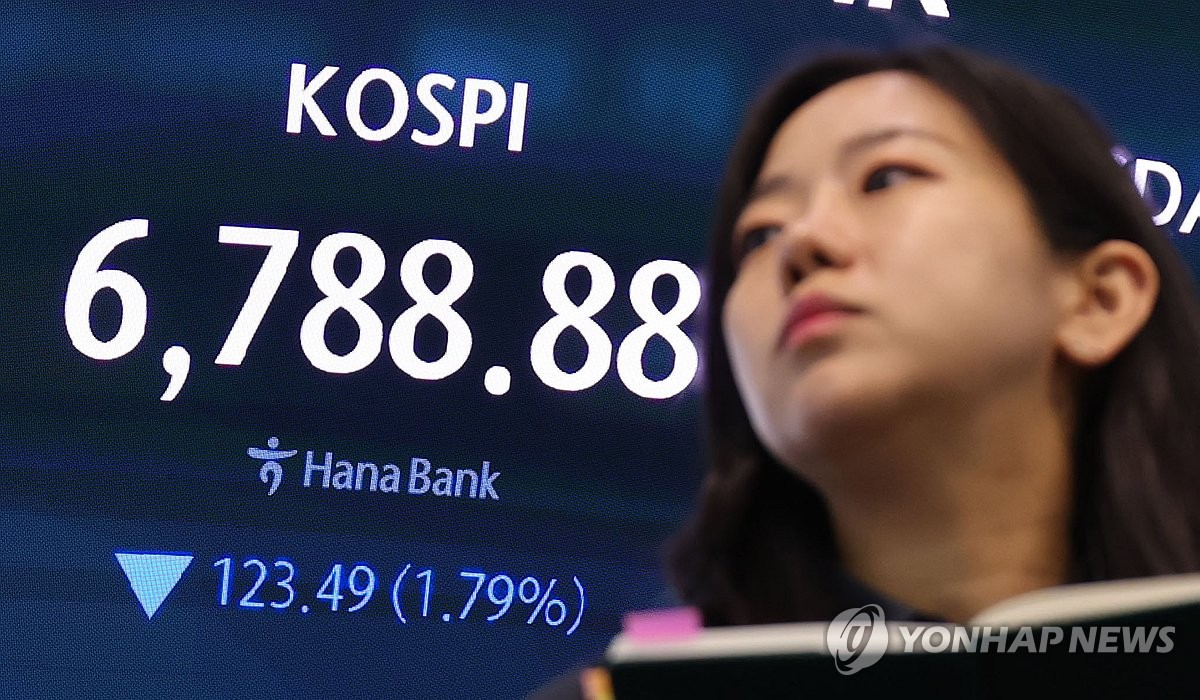
On August 28, 2026, the domestic stock market gave up previous gains and experienced a sharp correction. The KOSPI index closed down 1.79% at 6,788.88, falling below the psychological support level of 6,800. In contrast, the KOSDAQ index posted a slight gain, showing a different trend from the KOSPI.
The main driver behind the market downturn was heavy net selling by both foreign and institutional investors. The market as a whole shook under this wave of selling, with weakness particularly pronounced in the semiconductor sector among top market-cap stocks. Key semiconductor names like SK Hynix and Samsung Electronics traded lower, dragging down the overall index.
2. 오늘의 핵심 변동성 요인
The primary sources of market volatility today were "caution surrounding the Bank of Korea's (BOK) Monetary Policy Committee" and "profit-taking in the semiconductor sector."
First, investor sentiment cooled due to the interpretation of the BOK rate decision held on August 27 and ongoing uncertainty over the future base rate path. The market reacted sensitively to macroeconomic policy shifts—such as potential adjustments to the pace of rate cuts—prompting a wait-and-see attitude and increased selling.
Second, despite global AI bellwether NVIDIA surging 8.7% in the U.S. market the previous day, domestic semiconductor stocks saw a flood of profit-taking orders. Analysts suggest this created a "sell on rally" phenomenon driven by fatigue from short-term gains combined with interest rate uncertainties.
Third, foreign investors continued to pull their capital out of the market. Contrary to recent expectations for a stronger Korean won, actual order flows showed continued foreign net selling, capping the upside potential of the index.

3. 매크로 요인 및 경제지표
Current macroeconomic factors impacting the stock market can be largely summarized as monetary policy, exchange rates, and global tech stock trends.
- 금리 정책 (BOK Monetary Policy): The Bank of Korea's base rate decisions are a core variable determining the valuation of the domestic stock market. Following the MPC meeting, tempered expectations for rate cuts or neutral signals acted as a negative factor for the stock market.
- 환율 (USD/KRW): While some forecasts suggest that the USD/KRW exchange rate stabilizing below 1,420 won could positively influence foreign capital inflows, short-term volatility continues to impact the market. Market observers view exchange rate stabilization alongside a return of foreign buying as the key to a domestic market recovery.
- 글로벌 기술주 (NVIDIA Effect): Solid earnings and surging stock prices for NVIDIA generate optimism across AI-related stocks overall, but in the domestic market, they have sometimes acted as downward adjustment pressure due to short-term overheating. The market currently appears to respond more sensitively to the global liquidity environment and monetary policies.
4. 분석 종합 및 투자자 참고사항
On August 28, the KOSPI experienced high volatility that dragged it down to the 6,700 level due to a combination of BOK-related caution and profit-taking in semiconductors. A notable characteristic was that the favorable tailwinds of the global AI theme failed to connect with domestic semiconductor stocks, instead turning into selling pressure.
Investors need to carefully monitor future signals regarding the Bank of Korea's monetary policy and potential shifts in foreign supply and demand. In addition, it is necessary to prepare for market volatility by checking whether the trends of global tech stocks like NVIDIA are synchronized with or decoupling from the domestic stock market.
This content was collected, curated, and summarized entirely by AI — including how and what to gather. It may contain inaccuracies. Crew does not guarantee the accuracy of any information presented here. Always verify facts on your own before acting on them. Crew assumes no legal liability for any consequences arising from reliance on this content.
Powered by
