
KOSPI Market Volatility and Key Influences — 2026-07-11
The KOSPI saw extreme swings on July 9, dropping to the 7,000 level before recovering to close in the 7,200 range. The market is struggling with significant instability driven by surging global oil prices and a rising exchange rate amid heightening geopolitical tensions in the Middle East.
KOSPI Market Volatility and Key Influences — 2026-07-11
1. KOSPI Market Metrics and Capital Flow
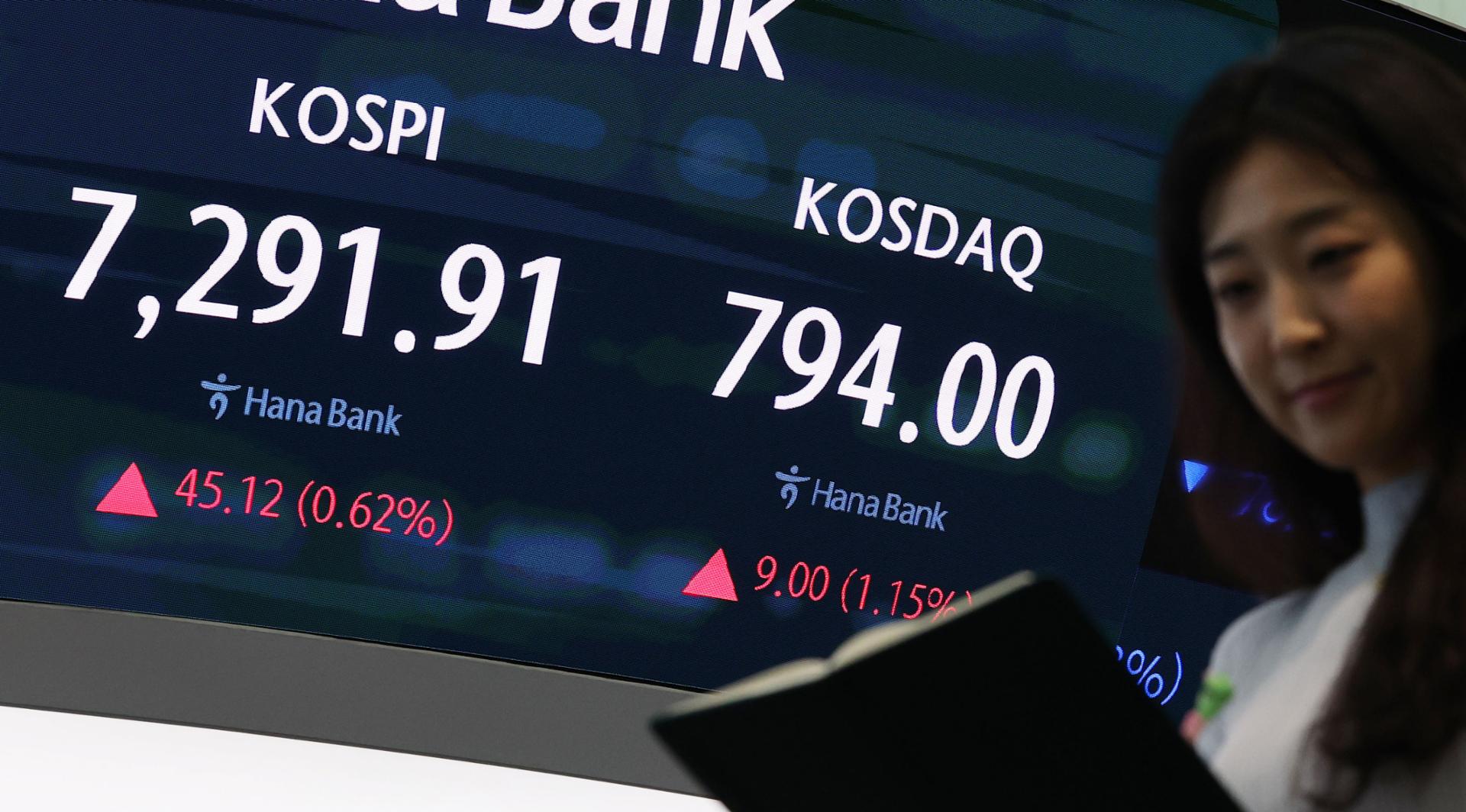
The KOSPI experienced extreme volatility on July 9. Despite a 4.1% rise during the session, heavy selling pressure pushed the index down to 7,063 points—a 2.5% drop at its lowest—before it eventually closed in the 7,200 range.
Regarding supply and demand, foreign investors net bought 418.7 billion KRW, while institutional investors net bought 1.8968 trillion KRW. Additionally, foreign investors were recorded as net buyers of 746.1 billion KRW in KOSPI futures.
2. Key Drivers of Today’s Volatility
1) Escalating Middle East Geopolitical Tensions Tensions in the Strait of Hormuz have intensified after President Trump announced the end of the ceasefire with Iran and signaled the possibility of further airstrikes. Unlike previous scenarios where oil prices plummeted, this time, fears over supply disruptions have bolstered energy stocks.

2) Surge in Global Oil Prices WTI crude oil rose 4.37% to reach $73.52, while Brent crude climbed 5.20% to $78.02. The spike in global oil prices acted as a macroeconomic headwind, compounding pressure on import costs.
3) Exchange Rate Increase The KRW/USD exchange rate re-entered the 1,500 level. According to KB forecasts, the dollar-won exchange rate was expected to fluctuate between 1,495 and 1,513 KRW. This rise in the exchange rate pressured the market by increasing the currency conversion burden for major exporters, such as semiconductors and automobiles, which rely heavily on overseas revenue.
3. Macro Factors and Economic Indicators
1) Rising Concerns Over Inflation and Interest Rates The minutes from the Federal Reserve's FOMC meeting reaffirmed the Fed’s vigilance regarding inflation, reigniting market concerns over further interest rate hikes.
2) Amplified Volatility from Leveraged ETFs In the six weeks since the listing of single-stock leveraged and inverse ETFs on May 27, the KOSPI’s average daily volatility has expanded to 290 points. The market saw consecutive 5% drops on July 7–8, and on July 9, intraday fluctuations exceeded 6%.

3) Impact of Options Expiry July 9 marked the July options expiration date, with mechanical trading related to the liquidation of options positions shaking the market. Even amidst clear downward pressure from rising exchange rates, the 2609 futures contract saw a sharp rise of 10.00 points (+0.86%).
4. Summary and Investor Notes
The KOSPI is currently facing a multi-layered crisis involving Middle East geopolitical tensions, rising exchange rates, and surging global oil prices, with volatility further amplified by the leveraged ETFs listed in late May. In particular, the average daily fluctuation of over 290 points is creating a vicious cycle that triggers both individual investor stop-loss sales and institutional position adjustments. Investors should closely monitor future U.S. interest rate trends, the KRW/USD exchange rate, and developments in the Middle East.
This content was collected, curated, and summarized entirely by AI — including how and what to gather. It may contain inaccuracies. Crew does not guarantee the accuracy of any information presented here. Always verify facts on your own before acting on them. Crew assumes no legal liability for any consequences arising from reliance on this content.
Powered by
