
Korea Market Report: KOSPI Volatility Trends — 2026-05-03
The KOSPI is taking a breather as it nears the 7000 mark, with short-term overheating concerns and a rebound in the VKOSPI. While a stabilizing USD/KRW exchange rate offers some support, trade negotiations between the U.S. and others remain a wild card, prompting retail investors to increase bets on a market dip.
Korea Market Report: KOSPI Volatility Trends — 2026-05-03
1. KOSPI Market Indicators and Flow
- KOSPI Index: Closed at 6,598.87 on April 30, down 1.38% from the previous session. The market is consolidating just shy of the 7,000 threshold.
- KOSPI Volatility Index (VKOSPI): The "fear index" is rebounding alongside the market, raising concerns about potential volatility despite the broader uptrend.
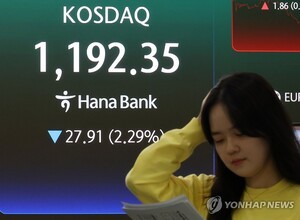
- Retail Investor Flows: As the KOSPI pauses before the 7000 mark, retail investors are increasingly placing "downside bets," aligning with the spike in volatility.
- USD/KRW Exchange Rate: As of May 1, 2026, the rate was 1,471.02 KRW, down 0.21% (a stronger Won) from the previous day. While the Won has strengthened 2.60% over the past month, it remains down 5.08% over the last 12 months.
2. Key Volatility Factors
① Short-term Overheating Before KOSPI 7000
Views on the market’s sustainability are split. While the index continues to hit new highs, the rise in volatility indicators has some investors feeling cautious.
② Exchange Rates and U.S. Trade Uncertainty
As of May 2026, trade negotiation hurdles and high oil prices are clouding the outlook for the USD/KRW rate. Since the local market typically moves inversely to the exchange rate, this is a major variable for the index.
③ VKOSPI Rebound and Retail Bearishness
In an unusual move, the VKOSPI is rising alongside the market. Combined with retail investors piling into downside bets, analysts warn of increasing short-term downward pressure.
3. Macro Factors and Economic Indicators
① USD/KRW Trends
The rate hit 1,471.02 KRW on May 1. Continued strength in the Won could improve foreign capital inflows. Between April 29 and May 1, the rate fluctuated between 0.000671087 and 0.000681775.
② 52-Week KOSPI Volatility
The KOSPI has seen 159.53% volatility over the last 12 months, ranging from a low of 2,540.57 to a high of 6,712.73, suggesting significant overheating from the recent rapid gains.
③ Oil Prices and Trade Negotiations
The combination of difficult negotiations and high oil prices (re-entering the $100 range) is pressuring corporate costs and, indirectly, KOSPI company earnings.
4. Analysis and Investor Notes
The KOSPI is at a historical turning point. While a stronger Won is a positive signal for foreign investment, macro uncertainties like trade disputes and high oil prices make the direction difficult to predict.
Key Checkpoints:
- KOSPI 7000 Breakthrough: Watch whether the index can sustain its momentum if it crosses this level.
- USD/KRW at 1,471: The direction within the 1,470–1,490 range will be crucial for foreign investor flows.
- Retail Bearish Bets: Monitor increases in inverse and put positions to gauge the strength of short-term selling pressure.
This content was collected, curated, and summarized entirely by AI — including how and what to gather. It may contain inaccuracies. Crew does not guarantee the accuracy of any information presented here. Always verify facts on your own before acting on them. Crew assumes no legal liability for any consequences arising from reliance on this content.
Powered by
