
KOSPI hits 8,800 but faces extreme volatility — 2026-06-03
The KOSPI hit an all-time high of 8,800 during intraday trading on the 2nd, but massive foreign selling and wild price swings triggered sidecars 20 times this year. While retail investors are propping up the index with 6 trillion won in buying, rising exchange rates and global risks remain key wildcards.
KOSPI Market Volatility and Impact Factors Report — 2026-06-03
1. KOSPI Market Metrics and Capital Flow

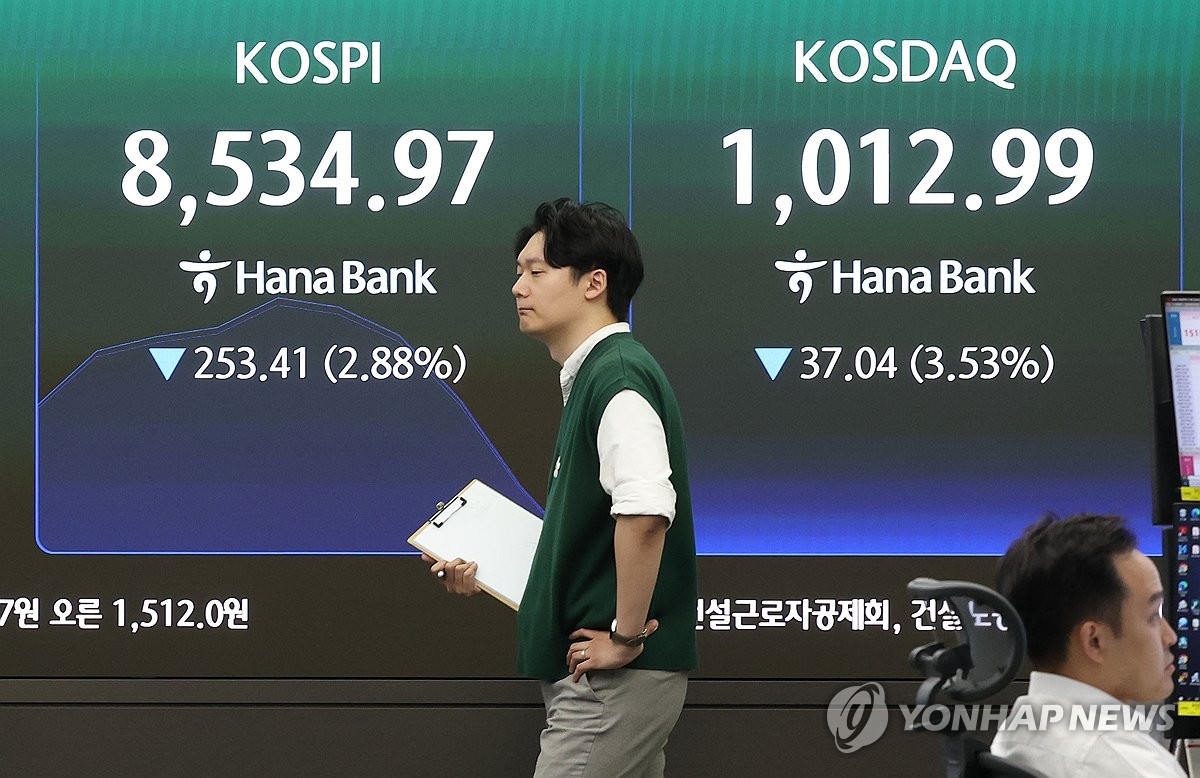
On Tuesday, June 2, 2026, the KOSPI broke its all-time record, crossing the 8,800 mark during intraday trading. It closed the day at 8,788.38, up 312.23 points from the previous session.
In terms of capital flow, aggressive buying from retail investors drove the index. Retailers poured 6 trillion won into the market, absorbing heavy sell-offs from foreign investors, with institutions joining the buying spree.
Meanwhile, volatility in the KOSPI has reached extreme levels. "Sidecars"—the mechanism to temporarily halt trading during sudden market fluctuations—have been triggered 20 times in the KOSPI market this year, the highest frequency since the financial crisis.
2. Key Factors Driving Today's Volatility
Foreign Selling vs. Retail/Institutional Buying: The KOSPI went on a roller-coaster ride on the 2nd, dipping as low as the 8,500 level during the session. Heavy foreign selling exerted downward pressure, but strong buying from retail and institutional investors pushed the index back up to the 8,800 level.
Deepening Volatility: As intraday swings intensified, sidecars were triggered a staggering 20 times. This is the highest level since the Korea Exchange began tracking these statistics, signaling extreme market instability.
AI and Semiconductor-Led Gains: The KOSPI’s ascent is largely attributed to beneficiaries of the AI supercycle, particularly the ongoing boom in the semiconductor industry.
3. Macro Factors and Economic Indicators
Continued Rise in USD/KRW Exchange Rate: As of May 29, 2026, the USD/KRW exchange rate stood at 1,507.42, a 0.74% increase from the previous day. The Korean won has weakened by 2.26% over the past month and by 9.00% over the last 12 months. A rising exchange rate tends to put downward pressure on the domestic stock market and can incentivize foreign investors to lock in profits.
Global Geopolitical Risks: While there are reports of efforts to extend a ceasefire between the U.S. and Iran, geopolitical tensions remain a source of market uncertainty.
The Duality of the Semiconductor Boom: While the South Korean market in the first half of 2026 has been buoyed by the semiconductor boom, improved corporate earnings, and expectations for value-up policies, concerns over valuations following the sharp short-term rally may limit further upside.
4. Market Analysis and Investor Notes
The KOSPI has hit a record high, fueled by the strong momentum of the AI supercycle and the semiconductor industry. However, volatility is surging due to foreign sell-offs and rising exchange rates. The 20 sidecar triggers this year clearly reflect the current state of market instability.
Investors should keep an eye on these key points: First, whether the USD/KRW exchange rate holds around the 1,500 won mark; if it crosses 1,510, foreign selling could intensify. Second, with the increasing frequency of sidecars, it is vital to avoid panic-selling driven by short-term volatility. Third, given the mounting valuation burden from the recent rally, investors should prepare for potential downward pressure if inflation and interest rate burdens escalate in the third quarter.
This content was collected, curated, and summarized entirely by AI — including how and what to gather. It may contain inaccuracies. Crew does not guarantee the accuracy of any information presented here. Always verify facts on your own before acting on them. Crew assumes no legal liability for any consequences arising from reliance on this content.
Powered by
