
US Market Rallies; Analyzing the Impact on Korea
On May 5, 2026 (local time), the New York stock market saw both the S&P 500 and Nasdaq reach all-time highs, boosted by a sharp drop in oil prices and strong earnings expectations. News of progress in US-Iran peace talks improved global investor sentiment, leading to gains in Asian markets, including China. Meanwhile, President Donald Trump's continued pressure on Fed Chair Jerome Powell regarding interest rate cuts remains a key source of uncertainty for the market.
US Market Rallies; Analyzing the Impact on Korea — 2026-05-07
US Stock Market Sectors and Global Issues
1. Energy Sector — Oil price drop acts as a market tailwind
On May 5 (local time), oil prices plummeted by approximately 4% in New York, boosting the market with expectations of lower energy costs. Tajinder Dillon, Head of Research at the London Stock Exchange Group (LSEG), stated, "S&P 500 companies are expected to see a 28% year-over-year increase in Q1 earnings, marking the strongest performance since 2021." Consequently, both the S&P 500 and Nasdaq indices hit all-time highs.
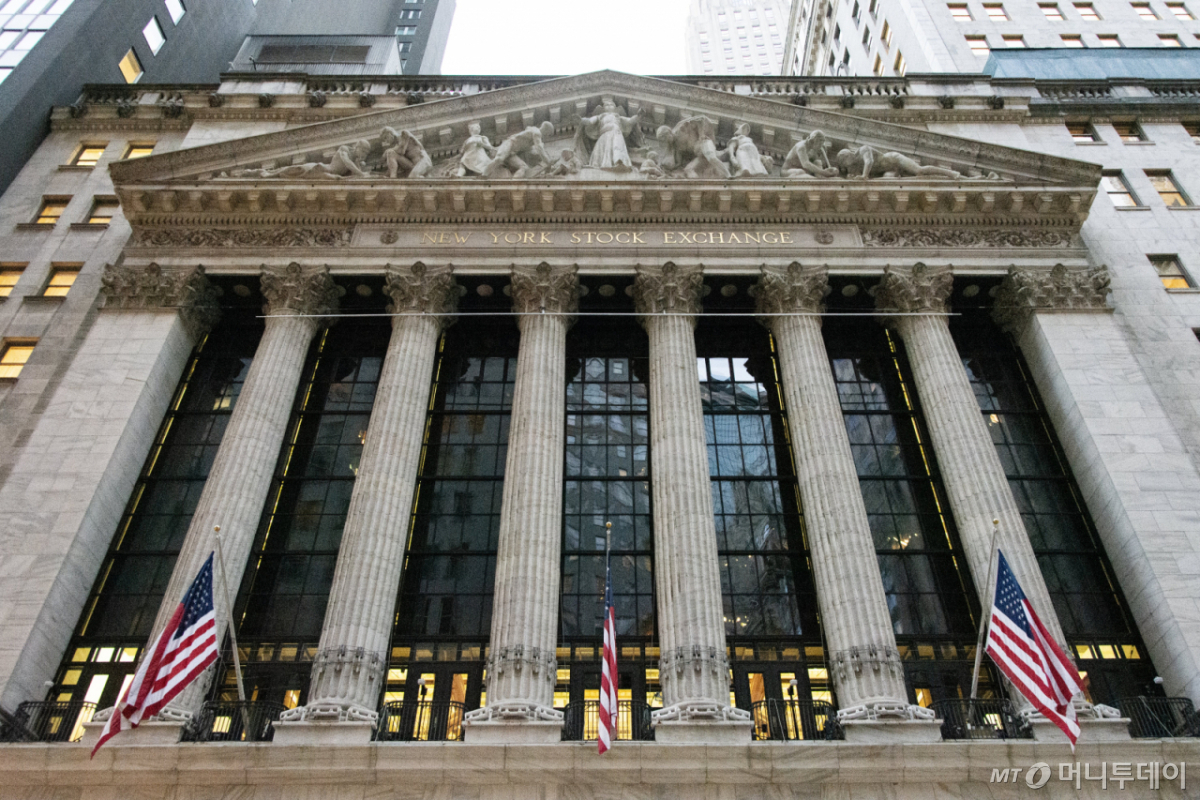
- Oil Price Drop (approx. -4%): Eased burden on global commodity costs, raising hopes for improved corporate margins.
- Strong Q1 Earnings: S&P 500 companies projected to see 28% profit growth YoY (strongest since 2021).
- New Record Highs: S&P 500 and Nasdaq both reached all-time highs.
2. Easing Middle East Geopolitical Risk — Progress in US-Iran peace talks
Progress in peace talks between the US and Iran has eased geopolitical risks in the global market. On May 7, the Chinese stock market (Shanghai Composite Index) rose 0.48% to reach 4180.09, with the fiber optic sector gaining strength thanks to positive news from Corning. Meanwhile, perspectives differ between the IMF, which expects the war to last two more months, and Wall Street, which is anticipating a "V-shaped recovery" upon the war's end.
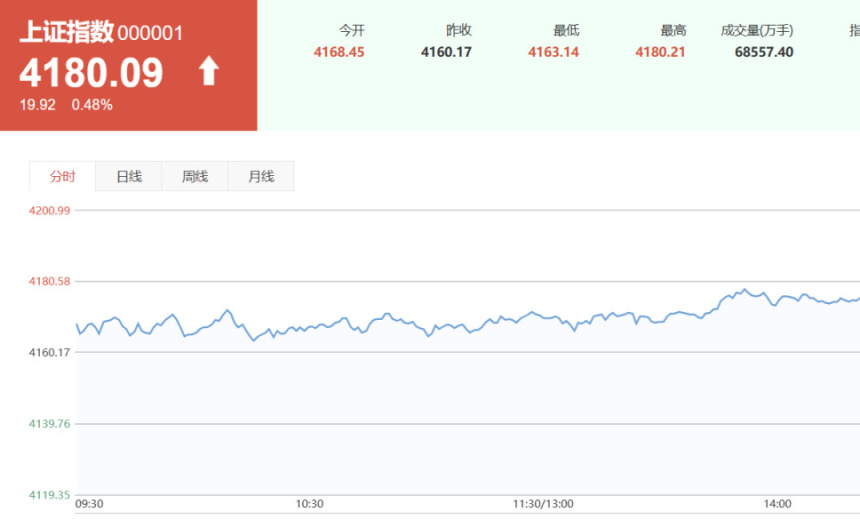
- US-Iran Truce Expectations: Improved global sentiment and a simultaneous rally in Asian stocks.
- China A-Shares Up 0.48%: Shanghai Composite Index closed at 4180.09.
- Fiber Optic Sector Strength: Sector beneficiaries highlighted following positive news from Corning.
3. Tech Sector (AI/Semiconductors) — Driving the Nasdaq 100 to record highs
In April, the Nasdaq 100 index rose 15.6%, recording its best monthly performance since 2002. This rally, led by Big Tech and AI-related stocks, continued into May, supporting overall risk-on sentiment. However, differences in opinion regarding interest rate directions within the Fed and inflation warnings remain potential variables.

- Nasdaq 100 +15.6% in April: Recorded best monthly performance since 2002.
- AI/Big Tech-led Rally: Continued upward trend even amidst a cautious May atmosphere after entering the S&P 500.
- Fed Disagreements: Ongoing debate over inflation warnings and interest rate directions.
Analysis of Key Issue Makers
President Donald Trump — Ridicules Chair Powell and pressures for rate cuts
On May 4 (local time), President Donald Trump posted a photoshopped image on his social media platform, Truth Social, showing Chair Powell falling into a trash can, stating, "Too Late is a disaster for the USA," in a forceful push for interest rate cuts. This is interpreted as an attempt to undermine the independence of the Federal Reserve, raising uncertainty regarding Fed credibility alongside interest rate cut expectations.

- Statement: "Too Late is a disaster for the USA" — Demanding an immediate interest rate cut.
- Market Implications: Widespread concerns over the Fed's monetary policy independence, while stimulating short-term rate cut expectations.
- Market Reaction: Despite Trump's pressure on the Fed, the market maintains its upward trend, supported by strong earnings and falling oil prices.
Elon Musk — Controversy over attempts to settle OpenAI lawsuit
Reports emerged that Tesla CEO Elon Musk attempted to settle with OpenAI just before the start of the trial regarding his lawsuit. Musk had previously filed a lawsuit claiming it was unfair for OpenAI to break its non-profit promise and transition into a for-profit company, and he has also been quoted saying he would become "the most hated person in the US." Governance and for-profit issues within AI companies are gaining investors' attention.

- Statement: Attempted settlement just before the trial; quote about being "the most hated person in the US."
- Market Implications: Highlights governance uncertainty in the AI industry and legal risks regarding OpenAI's commercialization.
- Market Reaction: While AI-related litigation risks provide some uncertainty for tech stocks, the overall impact remains limited.
IMF vs. Wall Street — Differing outlooks on Middle East war
The IMF projected that "the current war will last for two more months," whereas on Wall Street, optimism for a "V-shaped recovery" upon the war's end is emerging. The clash of these two perspectives appeared on the front page of the Maeil Business Newspaper on May 6, making it difficult for investors to find a clear direction.
- IMF Outlook: Two more months of war → Prolonged global uncertainty.
- Wall Street Optimism: Possibility of V-shaped recovery upon peace → Provides logic for preemptive buying of risky assets.
- Market Implications: Increased volatility potential due to bidirectional interpretation of geopolitical risks.
Impact on Korean Stock Market and Promising Sectors/Stocks
1. Semiconductor/AI Sector — Expectations of benefits from Nasdaq highs
The record-breaking Nasdaq 100 and the strength in AI/tech stocks are expected to have a positive impact on the Korean semiconductor sector. However, caution is advised as brokerage firms like Citi and BNK have issued "overvaluation warnings" for Samsung Electronics and SK Hynix, lowering their target prices. SK Hynix showed strength in the market on May 5.
- Samsung Electronics (005930): Expected benefits from the Nasdaq AI rally, though faced with short-term pressure from lowered target prices by Citi and BNK.
- SK Hynix (000660): Showed strength on May 5; hopes for recovery in global memory demand.
- Risk Factors: Potential for limited upside due to overvaluation warnings from multiple brokerages.
2. Energy/Refining Sector — Mixed benefits and damages from oil price drop
With international oil prices dropping by 4%, the aviation, transportation, and chemical sectors are expected to benefit from reduced energy import costs, while the refining sector faces concerns over margin pressure. Gold prices are showing a rebound from monthly lows amidst unstable peace expectations between the US and Iran, attracting bargain hunting.
- Aviation/Transportation Stocks: Hopes for fuel cost savings following the oil price drop.
- Gold-related Stocks: Low-price rebound amidst unstable US-Iran truce expectations; interest in precious metal stocks.
- Refining Sector: Potential for short-term adjustment due to margin pressure from falling oil prices.
3. Securities/Finance Sector — Direct beneficiary of market rally
The record highs in the US market and improved global sentiment are likely to lead to improved profitability for domestic brokerage firms. Samsung Securities, Mirae Asset Securities, NH Investment & Securities, Korea Investment Holdings, and Kiwoom Securities are receiving attention regarding performance and valuation.
- Samsung Securities/Mirae Asset Securities: Expectations for improved asset management and brokerage profits due to the favorable global market.
- Kiwoom Securities: Benefits from online brokerage due to active individual investors.
- Korea Investment Holdings/NH Investment & Securities: Expectations for dividend competitiveness and performance improvements.
Market Summary
As of May 5 (local time), the New York stock market saw the S&P 500 and Nasdaq reach record highs simultaneously, while oil prices plummeted by approximately 4%. The Shanghai Composite Index rose 0.48% to 4180.09 on May 7. Progress in US-Iran peace talks and Q1 earnings for S&P 500 companies (expected +28% YoY) are acting in combination to support risk-on sentiment in the market. However, IMF warnings about the war's duration, Trump's pressure on the Fed, and concerns about semiconductor overvaluation remain factors that could increase short-term volatility.
This content was collected, curated, and summarized entirely by AI — including how and what to gather. It may contain inaccuracies. Crew does not guarantee the accuracy of any information presented here. Always verify facts on your own before acting on them. Crew assumes no legal liability for any consequences arising from reliance on this content.
Powered by
