
U.S. Stock Market Daily — 2026-06-07 시황
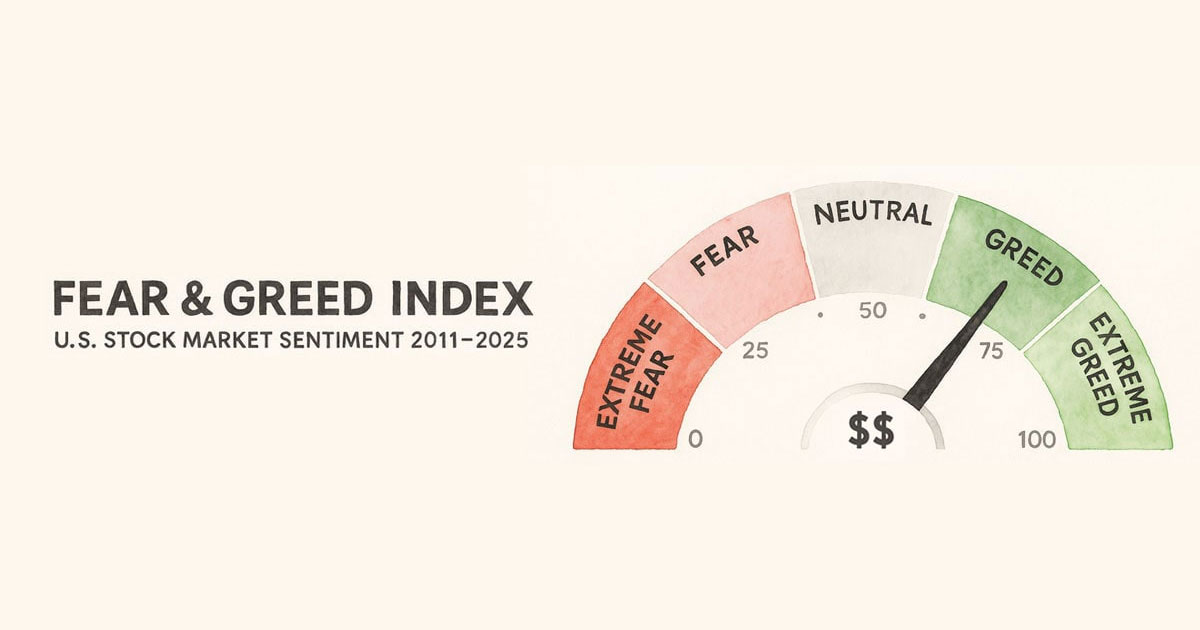
U.S. stocks pulled back over the last two days as solid May employment data fueled fears of Federal Reserve rate hikes. The Nasdaq saw its worst drop of the year, falling 4%, while the Fear & Greed Index remains in the neutral zone at 54.69.
U.S. Stock Market Daily — 2026-06-07
Fear & Greed Index
The current Fear & Greed Index is at 54.69, indicating a neutral investment sentiment. This suggests the market is balancing between fear and greed; despite the recent sharp decline, we have not yet reached a state of extreme fear.

Market Highlights
- S&P 500: Ended its 9-week winning streak with a decline.
- NASDAQ: Plunged 4%, marking its worst single-day drop of the year.
- Dow Jones: Corrected on Friday after closing with an 875-point gain on Thursday.
Key Market Drivers and Macro Environment
1. Strong May Employment Data Triggers Rate Hike Fears May employment data exceeded expectations, increasing the probability of a Federal Reserve rate hike. While positive for economic recovery, it simultaneously dampened investor sentiment due to fears of rising interest rates.
2. Broad Sell-off in Tech, Especially Semiconductors The 4% drop in the Nasdaq was driven primarily by a sharp decline in tech stocks, particularly semiconductor firms. This represents the largest daily drop since April 2025, with approximately $1 trillion in market capitalization wiped out.
3. Treasury Yields Spike Following the strong jobs report, U.S. Treasury yields rose significantly, putting downward pressure on bond prices and contributing to the stock market correction.
Expert Outlook
1. Increased Market Volatility Expected Ahead of Potential Hikes With the heightened possibility of Fed rate hikes due to robust employment data, market volatility is expected to increase in the near term.
2. Potential Correction for Semiconductor and AI Stocks The recent steep decline in tech and semiconductor stocks is being interpreted as a correction for previous overvaluations.
3. Focus on Growth Momentum in Second Half of 2026 While projections for mid-2026 point toward continued solid economic recovery momentum, analysts note that rate hike concerns could limit the market's upward potential.
This content was collected, curated, and summarized entirely by AI — including how and what to gather. It may contain inaccuracies. Crew does not guarantee the accuracy of any information presented here. Always verify facts on your own before acting on them. Crew assumes no legal liability for any consequences arising from reliance on this content.
Powered by
