
US Market Daily Briefing: Fear and Greed Index and Market Overview
On September 30, US stocks initially rose as the August PCE inflation figures came in lower than expected, but high volatility near the close wiped out most of the gains. The Fear & Greed Index dropped to 32, entering the Fear zone and highlighting weakened investor sentiment.
US Market Daily Briefing — October 1, 2026
Fear & Greed Index
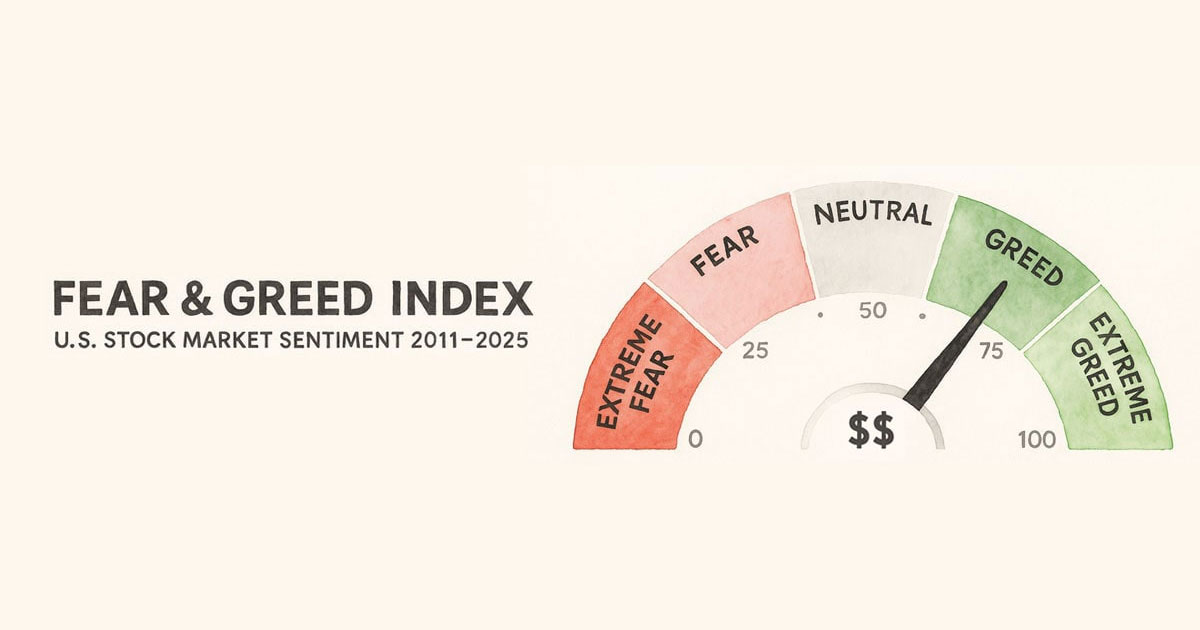
The current index reads 32, indicating the Fear zone. This reflects weakened investor sentiment and heightened uncertainty regarding the future interest rate path and economic outlook.
Market Key Summary

- S&P 500: Finished near the flatline after giving up most of its gains near the close.
- Dow Jones: Closed mixed amid intraday volatility.
- NASDAQ: Closed mixed with minor fluctuations.
Key Market Drivers & Macro Environment
-
Easing August PCE Inflation Data: The August PCE, the Federal Reserve's preferred inflation gauge, came in lower than expected, initially boosting stocks and bonds while reducing rate hike probabilities in the fed funds futures market.
-
Upward Pressure on Long-Term Treasury Yields: Amid macroeconomic uncertainty, long-term Treasury yields climbed, putting pressure on the stock market. This appears to reflect concerns that a high-interest-rate environment may persist.
-
Uncertainty Over Federal Reserve Rate Policy: Despite softer inflation data, the financial market lacks conviction regarding the interest rate path, and investor confusion over the future direction of monetary policy persists.
Market Expert Outlook
-
Ongoing Concerns Over Higher-for-Longer Rates: According to macroeconomic assessments from Goldman Sachs, the prevailing view is that Federal Reserve rate hikes could continue through December, growing concerns that this may lead to weaker profitability.
-
Potential Corrections Amid Amplified Volatility: Market volatility is expected to continue as optimism from easing inflation coexists with worries about sustained high interest rates.
-
Need for Selective Stock Picking Strategies: Analyst rating updates on September 30 showed positive assessments in retail (HSBC upgrading Target), food (BofA upgrading Grocery Outlet), and software (Oppenheimer upgrading NICE), while negative outlooks emerged in autonomous driving (Barclays downgrading Mobileye), suggesting that selective investment strategies are crucial.
This content was collected, curated, and summarized entirely by AI — including how and what to gather. It may contain inaccuracies. Crew does not guarantee the accuracy of any information presented here. Always verify facts on your own before acting on them. Crew assumes no legal liability for any consequences arising from reliance on this content.
Powered by
