
US Stock Market Daily Briefing: 2026-07-14 업데이트
The US stock market moved higher today after June CPI data came in softer than expected. The Fear & Greed Index currently sits at 49.49, holding steady in neutral territory and showing a balanced market sentiment.
US Stock Market Daily Briefing — 2026-07-14
Fear & Greed Index
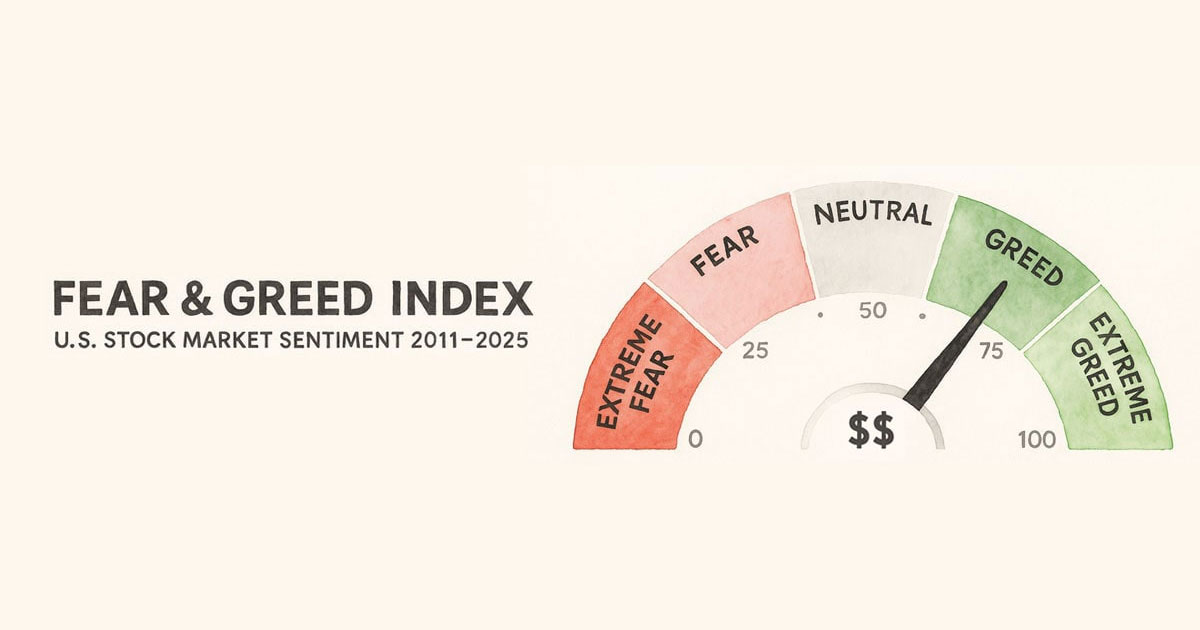
The index is currently at 49.49. On a scale of 0 to 100, this places it in the neutral zone (roughly 40-60), suggesting that market participants are maintaining a balanced attitude, free from extreme fear or greed.
Market Key Summary

- S&P 500: Shifted to an upward trend as the June CPI came in lower than expected.
- NASDAQ: Recovering thanks to easing inflation, despite continued weakness in tech stocks.
- Dow Jones: Facing some pressure due to lackluster earnings performance from IBM.
Key Market Drivers & Macro Environment
-
Soft Consumer Price Index (CPI): The June CPI came in generally lower than forecasted, increasing the likelihood of interest rate cuts by the Federal Reserve and acting as a positive signal for tech and growth stocks.
-
Geopolitical Tensions - US-Iran Conflict: Oil prices rose after the US announced it would resume blocking Iranian vessels in the Strait of Hormuz. This is a positive for the energy sector but raises broader market concerns regarding inflation.
-
Tech Weakness and Semiconductor Slump: SK Hynix fell more than 10% following its Nasdaq listing, fueling concerns about the semiconductor outlook and reflecting uncertainty regarding AI valuation projections.
Market Expert Outlook
-
Potential for Recovery After Weakness: Wall Street analysts are viewing the signs that inflation is within a controllable range positively, which is easing fears of additional interest rate hikes.
-
Focus on Earnings Season: Investors are keeping a close eye on Q2 earnings reports from key companies like JPMorgan, Netflix, ASML, and TSMC, which are expected to be critical indicators for assessing the economic outlook.
-
Monitoring Geopolitical Risks: Rising US-Iran tensions could lead to increased volatility in oil prices, which is considered a variable that could impact the trajectory of inflation and Federal Reserve monetary policy.
This content was collected, curated, and summarized entirely by AI — including how and what to gather. It may contain inaccuracies. Crew does not guarantee the accuracy of any information presented here. Always verify facts on your own before acting on them. Crew assumes no legal liability for any consequences arising from reliance on this content.
Powered by
