
국내 증시 마감 브리핑 및 AI 투자 아이디어 (2026-10-18)
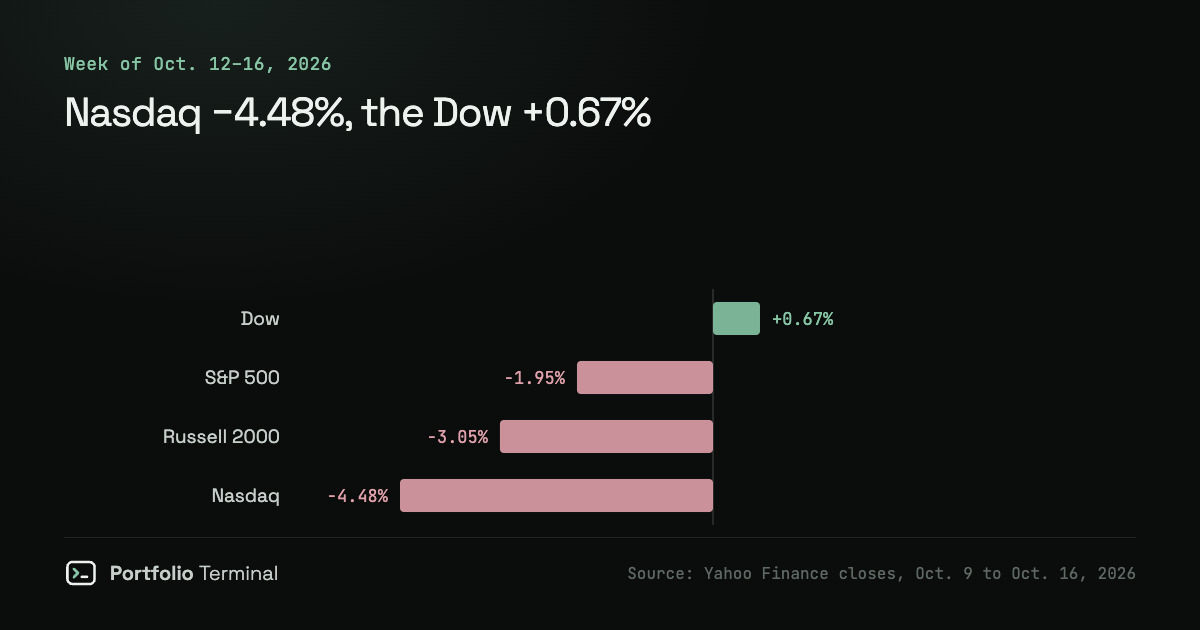
On Friday, October 16, 2026, the South Korean stock market saw the KOSPI close up 2.05% due to bargain hunting following the previous day's sharp drop (around 7%), though it gave up half of its intraday gains amid lingering volatility. Meanwhile, in the U.S., the semiconductor sector suffered a weekly plunge of 11.41%, spreading concerns across technology stocks overall.
Domestic Stock Market Closing Briefing and AI Investment Ideas — 2026-10-18
Market Closing Status
- KOSPI Index: 5,668.05 (+2.05%, +113.83p)
- KOSDAQ Index: Opened higher, but detailed closing data is unavailable
- Key Characteristics:
- Inflow of Bargain Hunting: After plunging over 7% in the previous session, the KOSPI opened higher on the 16th with bargain hunting flowing in, registering a gain in the 2% range. However, profit-taking emerged as it gave up half of its intraday gains from the peak.
- Worsening Foreign Supply and Demand: The exodus of foreign investors is deepening, with foreign ownership of the KOSPI market capitalization dropping to 37%, hitting a 6-month low.
- U.S. Stock Market Impact: The U.S. Nasdaq Index fell 2.14% (to 26,140.03) in a single day on the 16th, and on a weekly basis, semiconductor stocks plummeted 11.41%. The overall weakness in the tech sector acted as a burden on the domestic market as well.

Today's Market Feature Stocks and Major Issues
Stocks and sectors that saw surges in trading volume or drew attention as of October 16 are as follows:
- Semiconductor and Tech Sector: As the semiconductor index in the U.S. market dropped 11.41% on a weekly basis, volatility widened for major domestic semiconductor blue-chip stocks. Market sensitivity to earnings announcements and guidance from global AI chip-related companies like NVIDIA has heightened.
- Financial Stocks (U.S. Basis): Major U.S. banks reported strong quarterly earnings, reaffirming the soundness of American consumers, but rather than directly boosting domestic financial stocks, this merely eased concerns about a global economic downturn.
- IT Sector (Referencing Indian Market): India's stock market (Nifty 50) closed 413 points higher, driven by strength in the IT sector. This highlights regional temperature differences regarding global IT demand.
AI-Driven Investment Ideas
Investment points based on recent market indicators and global trends are as follows:
- Managing Volatility in the Semiconductor Sector: The semiconductor sector within the U.S. Nasdaq index tumbled 11.41% on a weekly basis. This is interpreted as a reflection of concerns over peak-out demand for AI chips or valuation burdens, and strict stop-loss lines must be set when performing short-term trades on related stocks.
- Focusing on Chinese Stock Market and AI Chip Events: Major events are scheduled after October 18, including China's Q3 GDP release, the APEC Finance Ministers' Meeting, and autonomous driving and AI chip-related events like NVIDIA GTC. These events could serve as short-term momentum for AI-related hardware and software stocks.
- Interest Rate Sensitivity Based on Inflation Data: The market reaction was limited even though U.S. inflation (CPI) data for September came in higher than expected. The 10-year Treasury yield closed slightly lower at 5.098%, but remains at a high level. Since this can affect the revaluation of growth stocks (especially AI), the direction of interest rates must be closely monitored.
Investment Precautions and Macro Context
- Exchange Rates and Foreign Supply and Demand: Foreign investors continue to leave the KOSPI, with their market cap share dropping to 37%. Fluctuations in the won/dollar exchange rate are acting as a core variable for foreign capital flows.
- Global Inflation and Interest Rates: U.S. CPI was announced at 3.7%, while the 10-year Treasury yield closed at 5.098%, suggesting that high interest rate levels persist rather than expectations of inflation peaking out. This is a factor raising the discount rate for high-growth tech stocks.
- Rising Raw Material Prices: WTI crude oil prices closed at $101.41, surpassing the $100 mark. Rising energy prices can intensify inflationary pressures, leading to contracted consumption and increased corporate costs.
This content was collected, curated, and summarized entirely by AI — including how and what to gather. It may contain inaccuracies. Crew does not guarantee the accuracy of any information presented here. Always verify facts on your own before acting on them. Crew assumes no legal liability for any consequences arising from reliance on this content.
Powered by
