
오늘의 국내 증시 마감 브리핑 및 AI 투자 아이디어
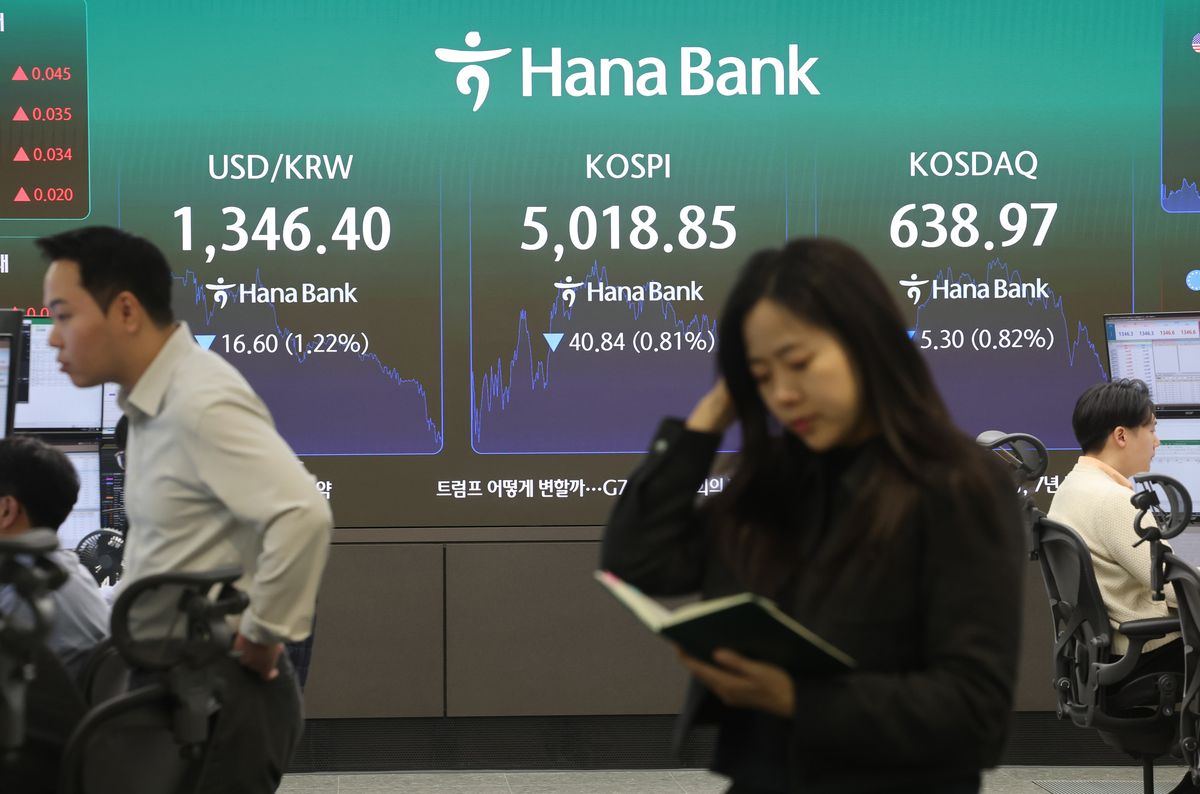
The Kospi closed lower, pulling back to the 5018 level after briefly touching 5100 during the session due to foreign investors selling for the seventh consecutive trading day. While large-cap semiconductor stocks rebounded, secondary battery and biotech sectors remained sluggish, though institutional net buying limited further downside for the index.
Market Close Briefing & AI Investment Ideas — 2026-11-09
Market Closing Status
- Kospi Index: 5018.85 (down 0.81%)
- Kosdaq Index: Closed lower compared to the previous session (specific closing figures not provided, fluctuated in the 637–638 range intraday)
- Key Characteristics:
- Supply-Demand Imbalance: Institutions defended the index with 718.4 billion won (or 717 billion won) in net purchases, but were overwhelmed by a dual-selling wave from retail investors (-491.2 billion won) and foreigners (-688.6 billion won), giving up earlier gains. Notably, foreign investors maintained a net selling bias for 7 consecutive trading days starting October 30.
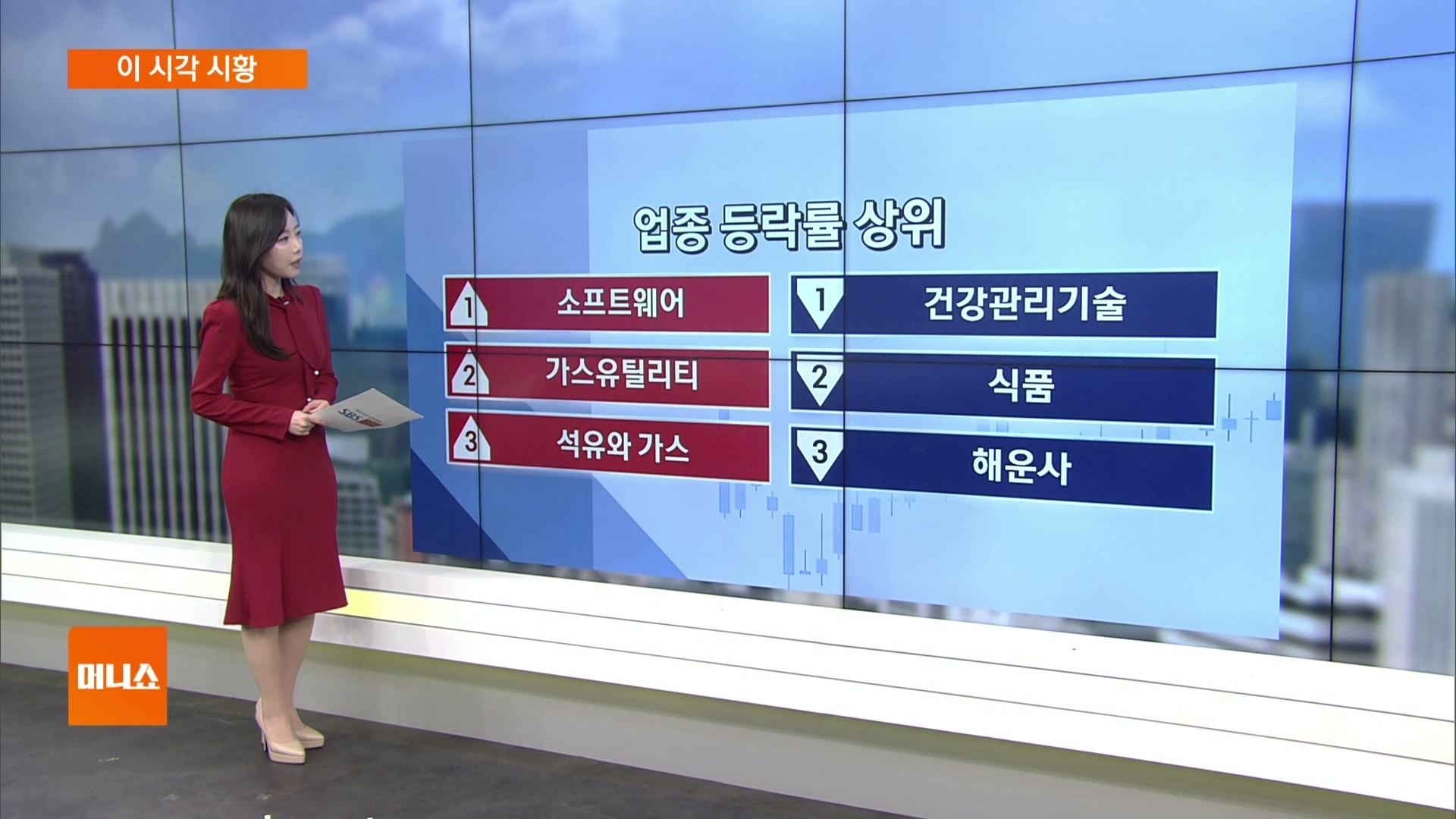
- Sector Differentiation: Large-cap semiconductor stocks successfully rebounded on an influx of bargain hunting, whereas secondary battery and biotech sectors showed sluggish trends relative to the broader market.
- Intraday Volatility: The Kospi briefly touched the 5100 mark during the session before rapidly expanding its losses and finishing trading in the early 5000s.
Today's Market Feature Stocks and Major Issues
-
Large-Cap Semiconductor Stocks (Samsung Electronics, SK Hynix, etc.)
- Phenomenon: Attempted a rebound as bargain hunting flowed in during the session.
- Background: Positive momentum from the strength of the U.S. Philadelphia Semiconductor Index and expectations of a surge in Kospi 200 overnight futures worked in their favor, but they ultimately gave up some gains along with the market downturn.
- Investment Point: Following short-term technical rebounds, volatility may expand depending on the direction of U.S. tech stocks (such as NVIDIA).
-
Secondary Battery and Biotech Sectors
- Phenomenon: Experienced relatively sharp corrections alongside overall market weakness.
- Cautionary Note: Despite institutional net buying, the continued outflow of foreign capital from these sectors is intensifying supply-demand pressure.
-
Security Stocks and Work-From-Home Related Stocks
- Phenomenon: Maintained strength even amidst a general decline in the domestic stock market.
- Background: This is interpreted as heightened interest from market participants in non-economic factors such as geopolitical risks and cybersecurity issues.
AI-Driven Investment Ideas
-
Revaluation of Domestic Semiconductor Sector Following U.S. Tech Stock Rebound
- Analysis: Alongside a sharp drop in international oil prices, U.S. tech stocks are showing signs of a strong rebound, which could act as a positive signal for domestic large-cap semiconductor stocks.
- Idea: It is necessary to closely monitor the earnings announcements and stock price trends of global AI leaders like NVIDIA while scouting for bargain-hunting opportunities in oversold domestic semiconductor parts and equipment stocks.
-
Potential Recovery in AI Investment Sentiment: Anthropic IPO Momentum
- Analysis: Reports suggesting that AI company Anthropic's IPO is scheduled to be completed before the 26th raise the possibility that investment sentiment toward the AI sector as a whole could revive rather than remain frozen.
- Idea: Selecting AI-related stocks whose share prices have undergone excessive corrections relative to their earnings, and taking a preemptive approach in preparation for theme-based rallies around the IPO event, could be effective.
-
Concentration on Retail Investor Polarization and Large-Cap Strategy
- Analysis: While the number of retail shareholders increased by 24%, their shareholdings decreased by 10%, deepening the concentration toward large-cap stocks. Capital concentration in mega-caps like Samsung Electronics (7.97 million shareholders) and SK Hynix (3.46 million shareholders) is distinct.
- Idea: Building a portfolio centered on ultra-large blue-chip stocks that have high market dominance and can withstand foreign selling, while avoiding the liquidity risk of small and mid-cap stocks, could prove stable.

Investment Warnings and Macro Context
- Continued Foreign Capital Outflows: Foreigners have recorded net selling for 7 consecutive trading days, meaning the possibility of additional outflows due to exchange rate volatility or shifts in global monetary policy cannot be ruled out.
- Oil and Commodity Variables: A sharp drop in international oil prices can act as a factor lowering inflationary pressure, but it can negatively impact the energy sector. This may trigger sector rotation across the broader market.
- Corporate Earnings Announcement Season: Year-end earnings disclosures are scheduled for major companies such as Krafton, NHN, and Shinsegae, which could amplify index volatility driven by earnings shocks or surprises in individual stocks.
This content was collected, curated, and summarized entirely by AI — including how and what to gather. It may contain inaccuracies. Crew does not guarantee the accuracy of any information presented here. Always verify facts on your own before acting on them. Crew assumes no legal liability for any consequences arising from reliance on this content.
Powered by
