
코스피 마감 브리핑 및 AI 투자 아이디어
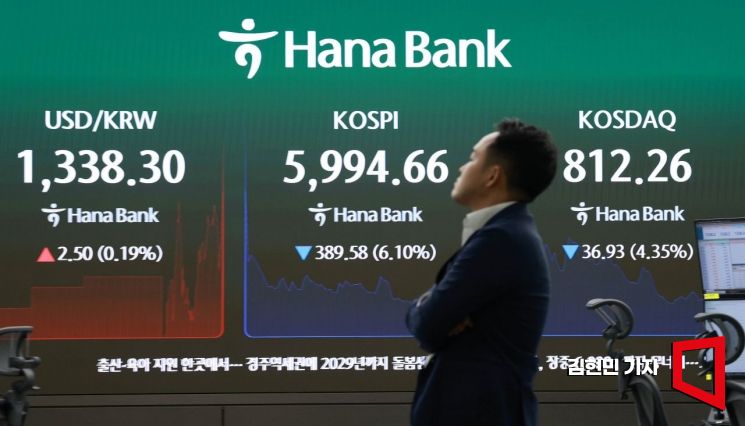
On Tuesday, October 13, the South Korean stock market experienced a sharp correction as the KOSPI plummeted 5.46% from the previous day to close at 6,035.35, driven by a steep drop in the semiconductor sector.
KOSPI Closing Briefing & AI Investment Ideas — October 15, 2026
Market Closing Status
- KOSPI Index: 6,035.35 (-348.89P, -5.46%)
- KOSDAQ Index: 837.03 (-12.16P, -1.43%)
- Key Features:
- Semiconductor Sector Leads Sell-off: Large-cap semiconductor stocks drove the index down, fueled by overnight losses in memory semiconductor shares and concerns that the global semiconductor index (SMH) might break through technical support levels.
- Correlation with US Markets: Alongside earnings announcements from major US banks, overnight plunges in the Korean stock market spilled over to US investors, spreading caution across the broader global semiconductor sector.
- Testing Technical Support: While the US semiconductor ETF (SMH) attempted a rebound at its 50-day moving average (SMA) following a 6-day losing streak, domestic semiconductor blue chips failed to follow suit, suffering deep corrections.

Today's Market Movers and Key Issues
The sectors and issues that stood out in today's market are as follows:
-
Large-Cap Semiconductor Stocks (Samsung Electronics, SK Hynix, etc.)
- Reason for Rise: None (Declined)
- Investment Caution: Overnight plunges and ongoing instability in the global semiconductor index call for vigilance against escalating short-term volatility. In particular, the movement of the US semiconductor ETF (SMH) is directly impacting the share prices of domestic market leaders.
-
Securities Sector
- Characteristics: Securities stocks, which benefited from the KOSPI rally in the first half of the year, have undergone steep corrections from their highs entering the second half. Heavy selling concentrated as slowing trading volume growth coincided with concerns over capital outflows from leveraged ETFs.
- Investment Caution: Because volatility in securities stocks could remain high until market direction is established, investors must keep in mind that this is a valuation re-evaluation phase following earnings releases.
-
AI and Energy Sectors (Globally Correlated)
- Characteristics: The S&P 500 Energy sector surged +46% year-to-date and the AI stock strategy rallied +78%, showing relative strength. This suggests the potential for capital migration into specific growth sectors even during the domestic market's correction phase.
AI Data-Driven Investment Ideas
Investment points based on market data and the latest reports:
-
Focus on AI Data Center and ESS Related Stocks
- Summary: The growth engine of the secondary battery industry is shifting from electric vehicles to ESS (Energy Storage Systems) for AI data centers. Expectations for improved earnings among related stocks remain valid, drawing interest as an alternative investment destination during the semiconductor correction.
- Action Point: Monitor recent disclosures and order statuses of ESS battery companies expected to benefit from AI infrastructure expansion.
-
Track Global Semiconductor Rebound Signals
- Summary: The US semiconductor ETF (SMH) confirmed support at its 50-day moving average and attempted a rebound. The fact that the QQQ returned above its 21-day EMA also points to the possibility of a technical bounce.
- Action Point: It is necessary to identify staggered buying entry points after confirming whether domestic semiconductor blue chips synchronize with the SMH rebound and recover their technical support levels.
-
Screening Stocks with Upgraded Target Prices by Brokerages
- Summary: Major brokerages such as Samsung Securities have presented scenarios where the KOSPI could reach the 10,000-point mark next year. This outlook is predicated on earnings growth for Samsung Electronics and SK Hynix alongside the influx of foreign buying.
- Action Point: Search for bargain-hunting opportunities centering on large-cap semiconductor stocks currently undergoing corrections whose target prices have been maintained or raised by brokerages.
Investment Caution and Macro Context
Macroeconomic variables currently influencing the market include:
-
Upcoming IMF World Economic Outlook Release
- Current Status: The IMF released its World Economic Outlook on October 13, raising possibilities that South Korea's growth forecast for this year could be upgraded to the 3% range from its previous 2.6%. While this is a positive sign for macroeconomic fundamentals, a time lag exists before it is reflected in the stock market.
-
US Major Bank Earnings Releases
- Current Status: Major US banks have been releasing their earnings, which has influenced sentiment across global financial stocks and the broader market. Investors must closely monitor the impact of strong bank earnings on the global liquidity environment.
-
Foreign Supply/Demand and Semiconductor Dependency
- Current Status: Foreign investors are estimated to have net-sold primarily large-cap semiconductor stocks. Due to the KOSPI's heavy reliance on semiconductors, the index's sensitivity to shifts in the global semiconductor cycle has heightened significantly.
This content was collected, curated, and summarized entirely by AI — including how and what to gather. It may contain inaccuracies. Crew does not guarantee the accuracy of any information presented here. Always verify facts on your own before acting on them. Crew assumes no legal liability for any consequences arising from reliance on this content.
Powered by
