
KOSPI Market Closing Update — 2026-10-18
The KOSPI bounced back by 2.05% to close at 5,668.05, snapping an 8-session losing streak thanks to foreign buying and bargain hunters. The Kosdaq saw a dramatic recovery with a buy-side sidecar triggered during trading, while the won-dollar exchange rate slipped to the low 1,330 won range.
KOSPI Market Closing Update — 2026-10-18
Index and Market Closing
On Friday, October 16, the KOSPI index closed up 113.83 points (+2.05%) at 5,668.05. This broke a seven-session consecutive decline and reclaimed the 5,600 level.

Market Features and Key Stocks
- Broad Rally Among Top Market-Cap Stocks: Major KOSPI stocks, including Samsung Electronics, rose across the board to lead the index rebound.
- Kosdaq Buy-Side Sidecar Triggered: Contrasting with the previous day's sharp drop, buying enthusiasm in the Kosdaq market was intense enough to trigger a buy-side sidecar during the session.
- Rebound Following Circuit Breakers: After experiencing a 7% plunge on the 15th that triggered circuit breakers on both the KOSPI and Kosdaq markets, strong bargain-hunting inflows drove a dramatic recovery on the 16th.
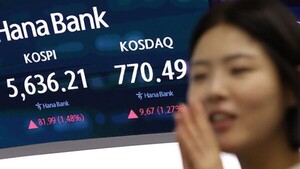
Key Supply-Demand and Economic Issues
- Foreign Inflows and Bargain Hunting: Amid a seven-session slide, foreign buying and bargain hunting served as the driving force behind the market's rebound.
- Won-Dollar Exchange Rate Drops: The won-dollar exchange rate fell 13.2 won to close in the low 1,330 won range, easing currency instability somewhat.
- Macroeconomic Risks and Government Review: As the KOSPI plummeted from the 7,000 to 5,500 range, the government held a joint agency inspection meeting. Rising U.S. Treasury yields, uncertainties in the AI and semiconductor industries, and Middle Eastern tensions coupled with rising oil prices were cited as key factors behind the correction.
- Increase in Credit-Financed Investments ("Bit-tu"): As the KOSPI plunged by roughly 16%, credit loan balances surged by 1.6 trillion won, showing an increase in leveraged buying to scoop up bargains.
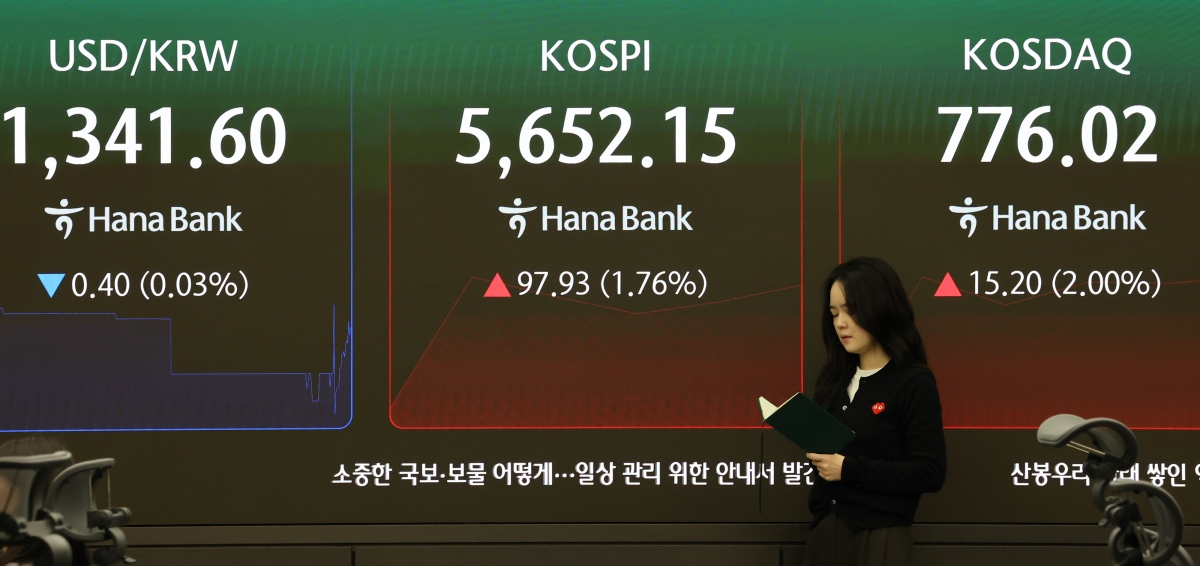
Market Overview and Summary
Today's market felt very much like a technical rebound following a massive sell-off. Coming right after an unprecedented crash (including triggered circuit breakers), bargain hunting and foreign inflows helped turn things around for the first time in 8 sessions. However, with U.S. Big Tech earnings announcements on the horizon, doubts over sustained AI investments and high interest rate burdens still linger. Whether this rebound turns into a sustained upward trend will likely depend on corporate earnings coming out of the U.S. this week.
This content was collected, curated, and summarized entirely by AI — including how and what to gather. It may contain inaccuracies. Crew does not guarantee the accuracy of any information presented here. Always verify facts on your own before acting on them. Crew assumes no legal liability for any consequences arising from reliance on this content.
Powered by
