
KOSPI Plummets 5% — 코스피 8160선 붕괴
The KOSPI has entered a severe correction phase, dropping over 5% due to massive selling by foreign and institutional investors, a sharp decline in semiconductor and IT stocks, and a spike in the KRW/USD exchange rate. Market volatility is at historic highs, fueling investor anxiety.
KOSPI Market Closing Report — June 7, 2026
Index and Market Overview
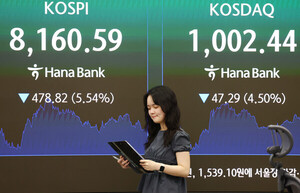
The KOSPI closed at 8160.59, down 478.82 points (5.54%) from the previous trading session.
This significant drop has led many to label today "Black Friday." After recently breaking through the 7,000-point mark, the KOSPI has now entered a sharp corrective phase.
Major Factors and Economic Issues
1. Massive Selling by Foreign and Institutional Investors The primary driver of the KOSPI's slump is the simultaneous selling spree by foreign and institutional investors. Analysts point to intensified large-scale foreign selling as the main force pulling the index down.
2. Surging KRW/USD Exchange Rate The rapid rise in the KRW/USD exchange rate is putting significant pressure on the market. This high-rate environment is increasing cost burdens for export-oriented companies and raising concerns about potential capital flight.

3. Steep Decline in Semiconductor and IT Sectors Weak performance among U.S. semiconductor stocks has spilled over, negatively impacting the domestic semiconductor sector as well.
Market Characteristics and Heightened Volatility
Market volatility for the KOSPI has reached historic levels this year. Sidecars have been triggered 15 times already, and the number of stocks under investment warning has doubled.
While there was temporary support when the National Pension Service expanded its domestic stock allocation, macroeconomic risks have since intensified, fueling widespread selling.
Market Review and Summary
Although the KOSPI had been on an upward trend thanks to semiconductor-driven earnings growth and foreign capital inflow, it has now entered a rapid decline due to the slump in U.S. semiconductors, soaring exchange rates, and synchronized foreign selling. Given that market volatility has hit record highs, caution regarding macroeconomic risks is essential. Investors should stay focused on exchange rate trends and foreign capital flows without being swayed by short-term volatility.
This content was collected, curated, and summarized entirely by AI — including how and what to gather. It may contain inaccuracies. Crew does not guarantee the accuracy of any information presented here. Always verify facts on your own before acting on them. Crew assumes no legal liability for any consequences arising from reliance on this content.
Powered by
