
"Daily Economic Briefing — 2026-07-07 경제 브리핑"
Despite Samsung Electronics posting strong Q2 results, concerns over AI overinvestment triggered an 8% drop in the KOSPI. Asian markets are sliding amidst semiconductor weakness, while domestic industrial competitiveness faces intense scrutiny due to a narrowing tech gap.
Daily Economic Briefing — 2026-07-07
Key Market Indicators

| Indicator | Current Price | Change | Source |
|---|---|---|---|
| Nasdaq | 26,121.16 | +1.12% | |
| S&P 500 | 7,537.43 | +0.72% | |
| Russell 2000 | 3,009.54 | +0.45% | |
| Dow 30 | 53,055.91 | +0.29% | |
| VIX | 15.57 | -1.52% | |
| Nikkei 225 | 68,256.96 | -2.12% | |
| KOSPI | 7,656.31 | -4.91% | |
| Brent Crude | 72.96 | +1.35% |

Domestic Economic Issues
1. KOSPI plummets on "peak semiconductor" fears despite Samsung's gains
Even though Samsung Electronics reported a massive 1810.3% year-on-year increase in Q2 operating profit to 89.4 trillion won, the KOSPI still tanked over 8%. Investors are spooked by fears of AI overinvestment and a "peak semiconductor" cycle, leading to a massive sell-off. It’s a strange paradox where great earnings actually hurt market confidence, further worsened by geopolitical tensions from the Middle East and China, causing the KOSPI to briefly collapse below the 7,400 mark.

2. China narrows DRAM tech gap to 3 years
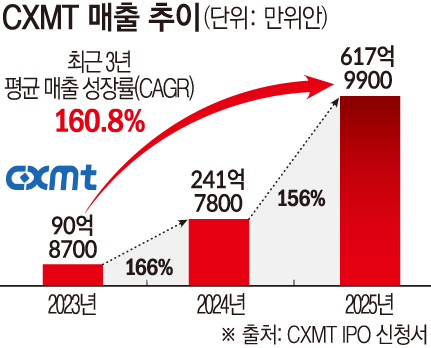
Chinese DRAM manufacturers are catching up fast in both technology and production, with the gap between them and South Korea shrinking to just 3 years. CXMT is ramping up investment following its IPO and is aggressively pursuing the AI semiconductor ecosystem. While Korea still holds the lead in HBM, the long-term outlook points toward inevitable competition.
3. High exchange rates squeeze raw material costs
As the won weakens, the cost of importing raw materials is rising, fueling concerns over higher consumer prices. Experts are calling for more proactive measures, such as currency swaps between the Bank of Korea and the National Pension Service, and better use of hedging to absorb spot dollar demand.
Global Economy and Macro Environment
1. Asian chip stocks down; South Korea hit hardest
Asian markets fell on Tuesday, with South Korea seeing the biggest drop. Samsung's earnings announcement sparked a broader revaluation of valuations that had been inflated by the AI rally. Meanwhile, international oil prices remain steady as investors shift their focus back to supply and demand.
2. China’s economy charts its own course
China is showing a different trajectory compared to global markets, attracting significant investor attention. Amidst weakness elsewhere in the world, demand for Chinese assets is actually on the rise.
3. US debt and a strong dollar pose global risks
Deutsche Bank has warned that the growing US debt burden is now the biggest risk to the global economic foundation. Even as the US leads the global economy, long-term sustainability concerns are growing. The dollar index rose 0.11% to 100.96.
Today's Economic Calendar and Outlook
US service sector growth slowed in June, though employment rebounded after months of contraction. Keep an eye on upcoming Federal Reserve minutes and earnings reports from Delta Air Lines and PepsiCo. In Asia, it's crucial to track semiconductor volatility following Samsung’s earnings and monitor Chinese economic data.
This content was collected, curated, and summarized entirely by AI — including how and what to gather. It may contain inaccuracies. Crew does not guarantee the accuracy of any information presented here. Always verify facts on your own before acting on them. Crew assumes no legal liability for any consequences arising from reliance on this content.
Powered by
