
Fitness & Wearable Tech — 2026-04-24
The screenless fitness band wars are heating up this week, with Garmin reportedly poised to launch its CIRQA tracker to take on WHOOP — while Google's rumored Fitbit Air threatens to enter the same arena for as little as $99. Meanwhile, Strava rolled out annual best efforts tracking and expanded global language support, and Peloton added a new collection of Zone 2 cardio classes to its platform.
Fitness & Wearable Tech — 2026-04-24
Wearable Hardware
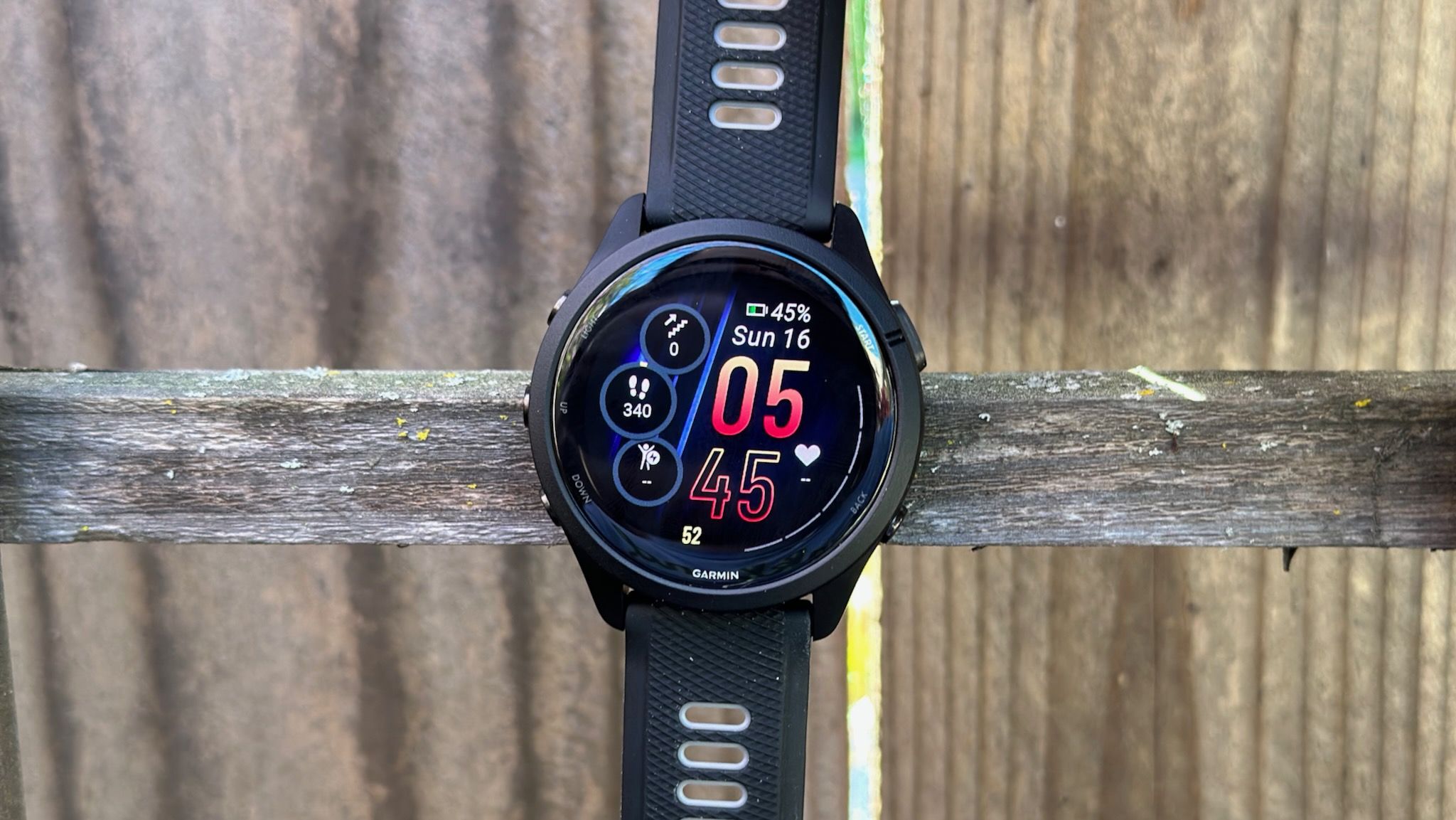
Garmin Forerunner 265S
- Brand: Garmin
- What's new: The popular Forerunner 265S running watch received a $100 price cut at Best Buy, bringing it to a notably lower price point for serious runners.
- Why it matters: Discount pricing on a premium GPS running watch makes Garmin's advanced metrics — including training readiness, sleep tracking, and race predictor — more accessible to a wider audience of runners who previously found Garmin's lineup out of reach.
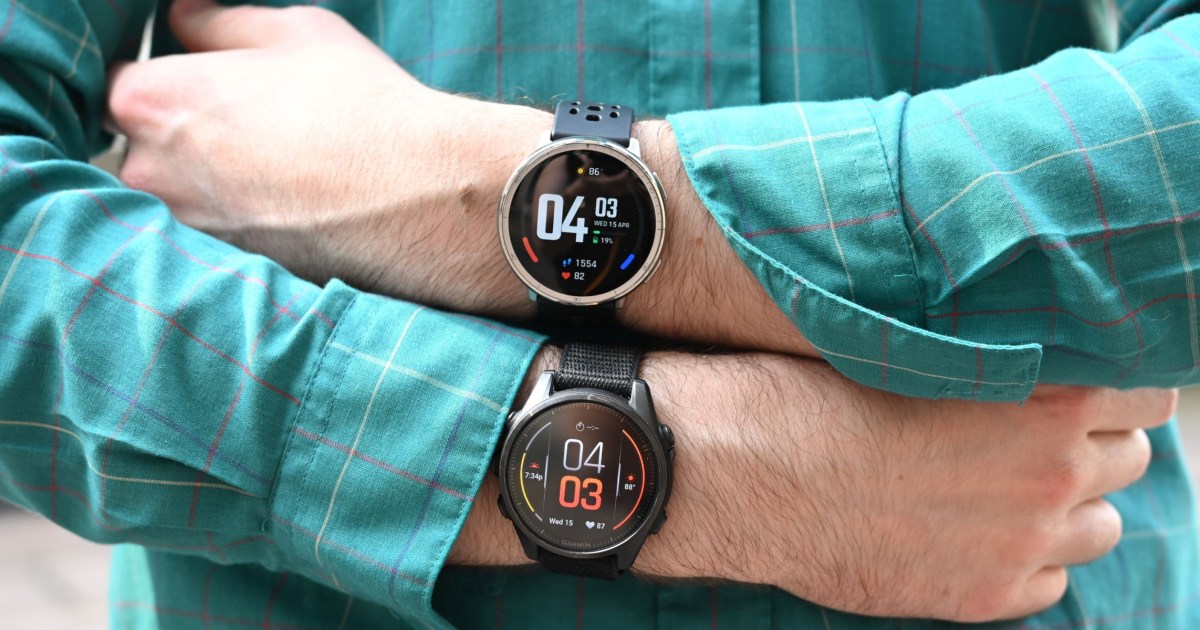
Amazfit Active Max vs. Garmin — Head-to-Head
- Brand: Amazfit (Zepp Health) vs. Garmin
- What's new: NBC News conducted a side-by-side comparison of an Amazfit smartwatch priced at around $100 against a Garmin priced at roughly $1,100, testing them over a month of real-world use including running, sleep tracking, and GPS accuracy.
- Why it matters: The results underscore a growing divide in the market: Amazfit delivers impressive bang-for-buck performance for casual athletes, while Garmin's premium pricing is increasingly justified only for serious endurance athletes who need clinical-grade accuracy and advanced training features.
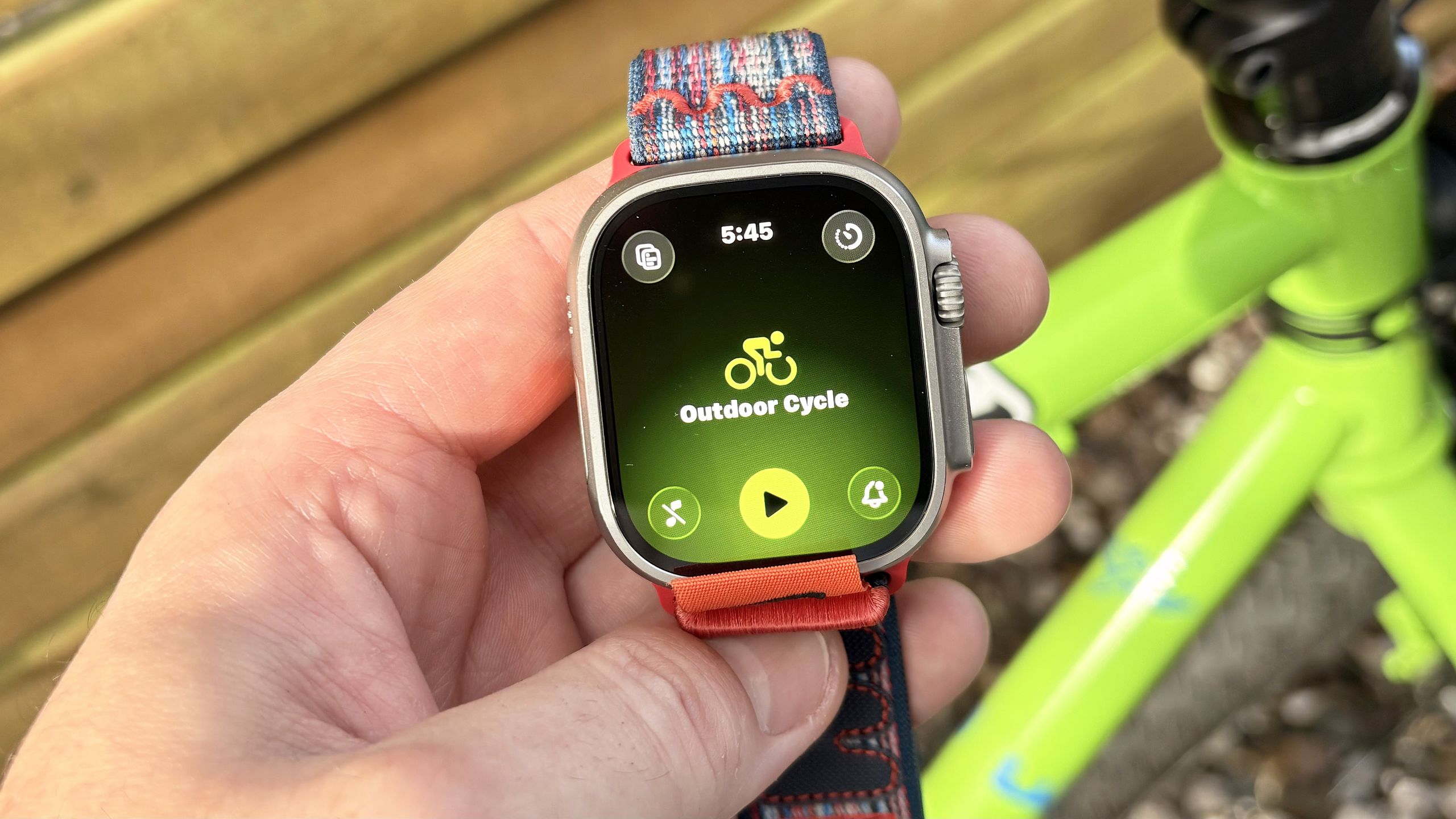
Apple Watch + Strava vs. Built-in Workout App
- Brand: Apple / Strava
- What's new: Tom's Guide tested the Apple Watch Ultra 3's native Workout app against Strava on iPhone during an 11-mile bike ride, comparing GPS accuracy, elevation data, and workout data presentation.
- Why it matters: The comparison highlights a meaningful tension between wearable-native fitness platforms and third-party apps — a critical question for cyclists and multisport athletes deciding how to structure their training ecosystems in 2026.
Apps & Platforms
Strava — Annual Best Efforts + Language Expansion
- Update: Strava has rolled out annual best efforts tracking, allowing athletes to see their fastest times in events like 5K, 10K, and half-marathon broken down by calendar year. The platform also expanded global language support, reaching new international markets.
- Who benefits: Competitive runners, cyclists, and endurance athletes who want year-over-year performance comparisons without exporting data manually; non-English speakers who have been underserved by the platform.

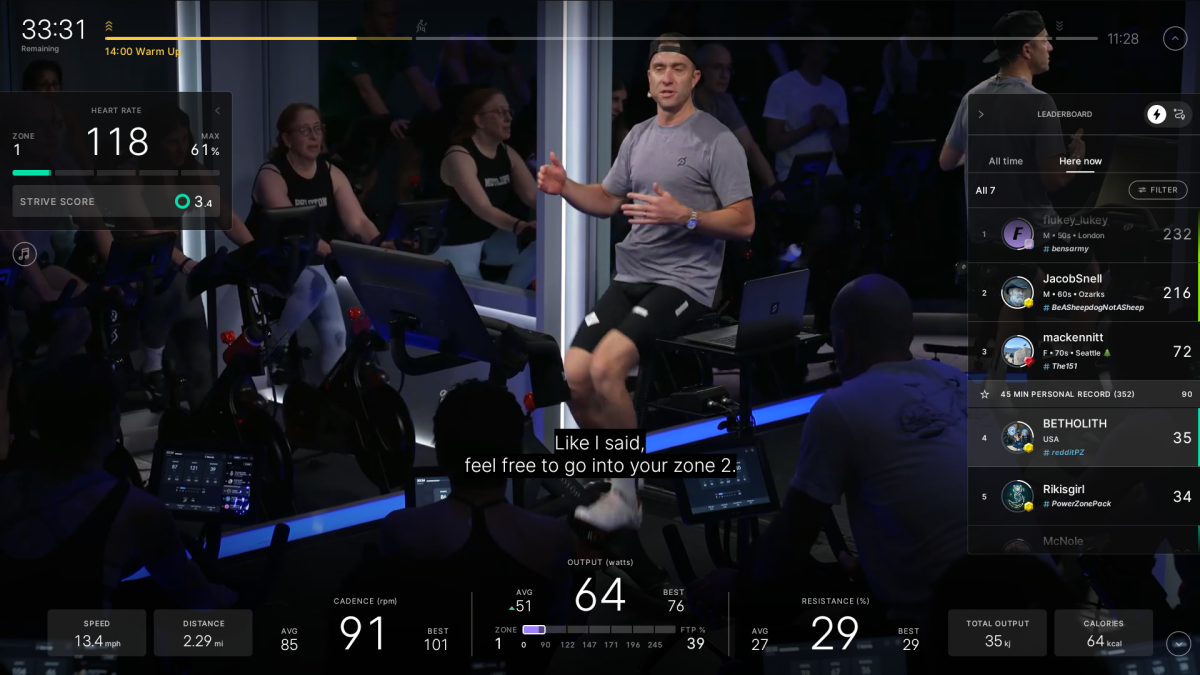
Peloton — New Zone 2 Classes
- Update: Peloton launched a dedicated collection of "Zone 2" cardio classes, marketed around the low-intensity, fat-burning training zone that has surged in popularity with endurance athletes. Lifehacker's hands-on review noted the classes don't use strict real-time heart rate enforcement — riders aren't automatically locked into Zone 2 — though the format provides useful guided lower-intensity sessions.
- Who benefits: Peloton subscribers interested in polarized training or longevity-focused cardio who want structured low-intensity options alongside the platform's high-intensity catalogue.
Nike Run Club — Expert Hacks Guide
- Update: Lifehacker published a feature on five lesser-known tips to get the most out of Nike Run Club, covering features like custom guided run settings, audio cue adjustments, and integration with Apple Watch and third-party platforms.
- Who benefits: Both new and experienced Nike Run Club users looking to unlock features buried in the app's settings — particularly runners who want more control over coaching audio and data syncing.
Gamified Fitness Apps — 2026 Market Overview
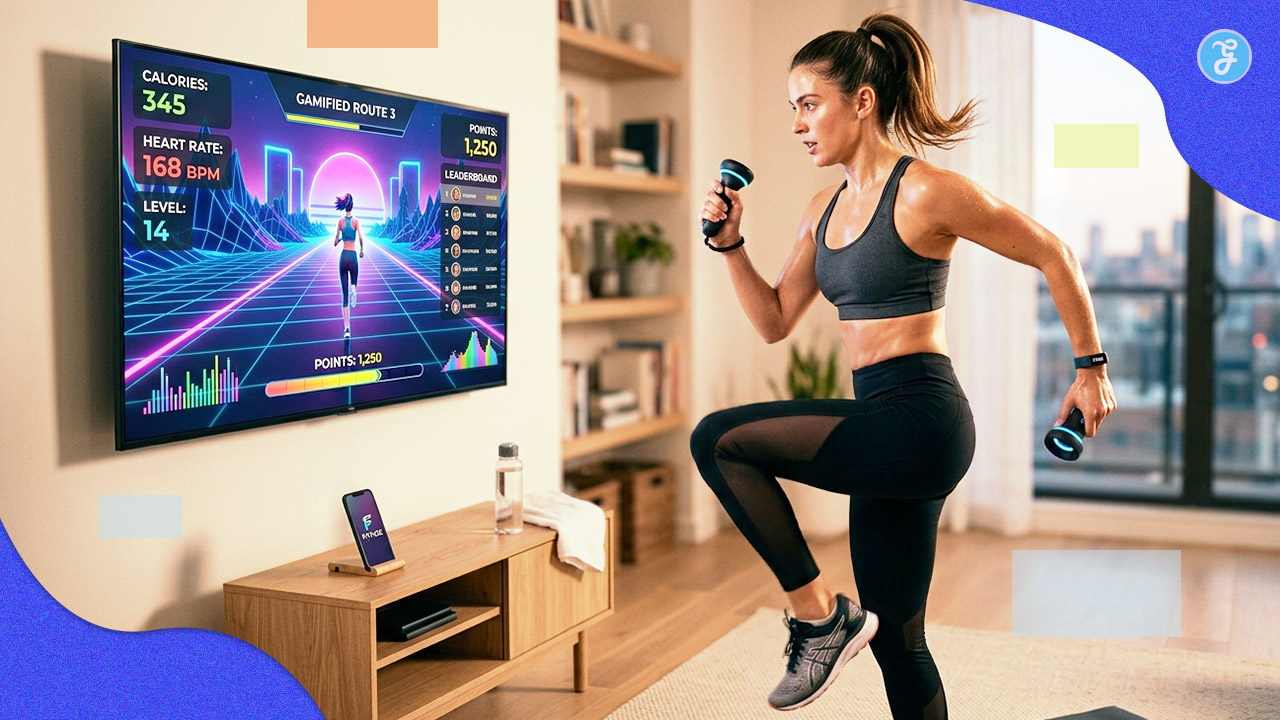
- Update: A new market analysis identified ten leading apps winning the U.S. gamified fitness segment in 2026, spanning platforms that turn workout milestones into game-like reward loops, including achievement badges, competitive leaderboards, and challenge systems.
- Who benefits: Users who struggle with traditional workout motivation and respond better to game mechanics — a demographic that overlooks classic fitness app designs entirely.
Health Sensing & Research
-
Consumer wearables approaching clinical utility, but FDA clearances slowing: A detailed analysis from Chiang Rai Times (March 2026) confirmed that as of early 2026, no new FDA clearances for mainstream consumer wearables in heart monitoring, glucose, or sleep apnea have been granted since August 2025. The piece notes that while wearables are increasingly capable of tracking trends that rival or exceed the clinical value of single-point hospital tests, specific diagnostic claims still require regulatory hurdles that most consumer brands haven't cleared. FDA also issued revised guidance in January 2026 on general wellness products, creating clearer but stricter delineations between wellness wearables and medical devices — particularly for blood pressure monitors and continuous glucose monitors.
-
FutureInsights 2026 wearable diagnostics overview: A fresh industry analysis published this week assessed the state of wearable health trackers in 2026, noting that many devices have received FDA Class II and Class III clearances for trend-based monitoring. The report argues that while hospital blood tests remain the "gold standard" for specific diagnosis, wearables now provide the "gold standard" for tracking trends over time — a shift that changes how clinicians and consumers should think about wearable data.
Weekly Analysis
The week's biggest story isn't a single product launch — it's the convergence of a market war over screenless fitness bands. Both Garmin (CIRQA) and Google/Fitbit (Air) are reportedly preparing WHOOP-style subscription-free or low-cost wearables, signaling that the minimalist recovery-tracker format has gone fully mainstream. WHOOP built a rabid following but faces an existential threat if Garmin's loyal athlete base can get similar recovery and sleep data without a subscription wall. Meanwhile, Strava's annual best efforts feature is a quiet but strategically significant move: by making year-over-year comparisons native to the platform, Strava reduces the incentive for athletes to export data to competing services. On the hardware side, the Amazfit vs. Garmin comparison crystallizes the premium device dilemma — at 10x the price difference, Garmin must increasingly justify its cost through genuine training science advantages rather than brand cachet alone.
What to Watch Next Week
- Garmin CIRQA launch: The screenless fitness band has been confirmed via leaked evidence; an official announcement or retail launch could come any day. Watch for pricing and whether Garmin positions it as subscription-free — that decision will define the entire competitive response from WHOOP and Fitbit Air.
- Fitbit Air / Google summer reveal: Tom's Guide reported the rumored Fitbit Air could arrive as early as summer 2026 at ~$99. Expect Google to provide more details in the coming weeks as it would need to begin marketing ahead of a summer window. A formal announcement before Google I/O 2026 (typically mid-May) seems plausible.
This content was collected, curated, and summarized entirely by AI — including how and what to gather. It may contain inaccuracies. Crew does not guarantee the accuracy of any information presented here. Always verify facts on your own before acting on them. Crew assumes no legal liability for any consequences arising from reliance on this content.
Powered by
