
Fitness & Wearable Tech — May 27, 2026
This week's biggest story in fitness tech is Strava's major overhaul of its strength training features, bringing muscle maps, set/rep/weight logging, and 14 new integrations to the world's most popular fitness social network. Meanwhile, Samsung Galaxy Watch users are poised to receive a wave of new features through Wear OS 7, and the Apple Watch faces intensifying pressure from a growing field of competitors including Oura, Whoop, and Google's Fitbit Air. On the health sensing front, the FDA's evolving framework for wellness devices continues to shape what wearables can and cannot claim — with no new mainstream clearances since mid-2025, but a clearer regulatory roadmap emerging for the industry.
Fitness & Wearable Tech — May 27, 2026
Wearable Hardware
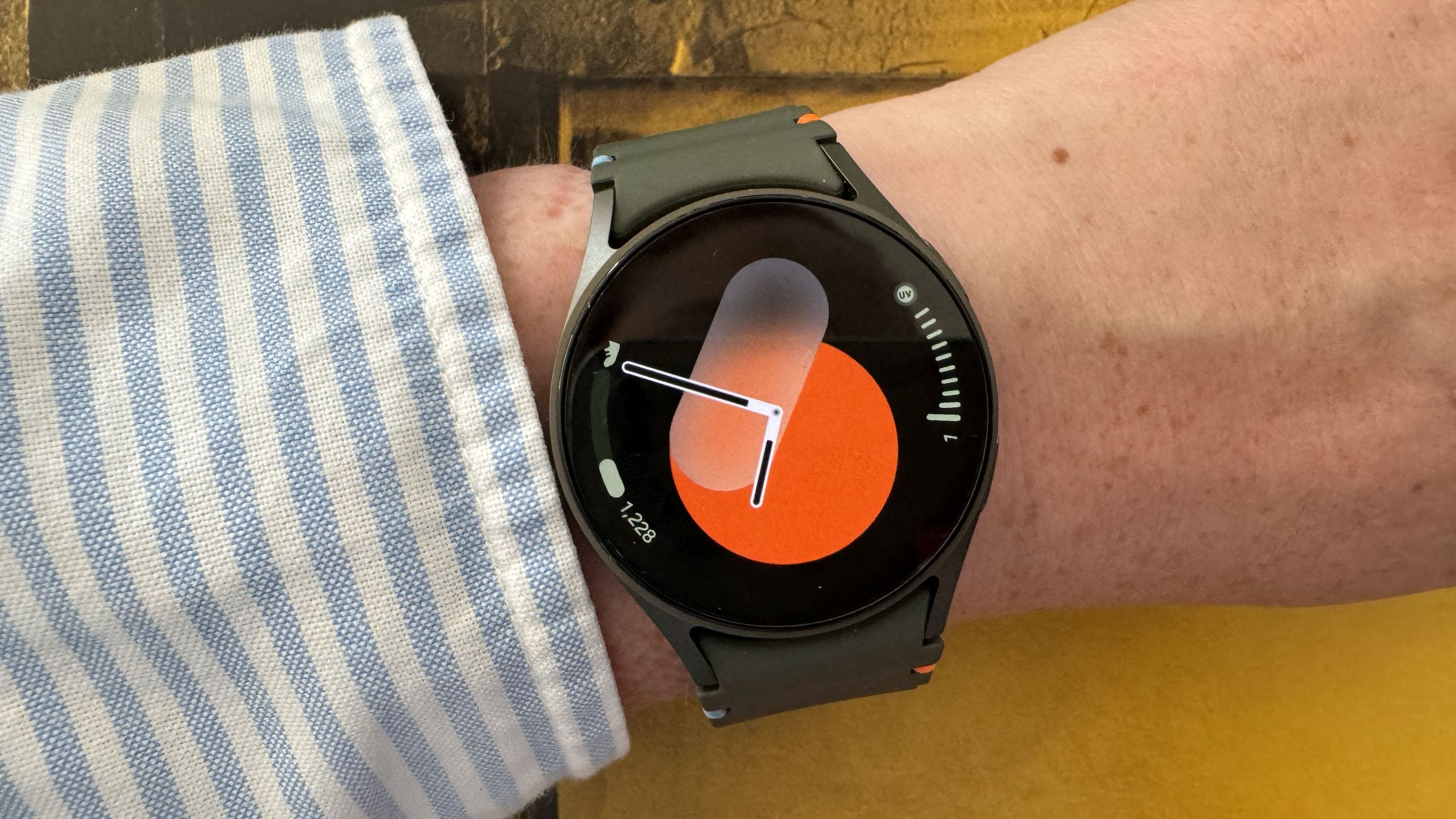
Samsung Galaxy Watch (Wear OS 7)
- Brand: Samsung
- What's new: Samsung Galaxy Watch users are set to receive "a wave of new features" through the Wear OS 7 update, with multiple additions expected free of charge for existing device owners.
- Why it matters: Free software upgrades to existing hardware extend the value proposition of Samsung's smartwatch lineup and could close some of the feature gap with rivals like Apple Watch and Garmin. The timing matters as Samsung competes across the fitness and health tracking space.
Apple Watch Under Competitive Pressure
- Brand: Apple
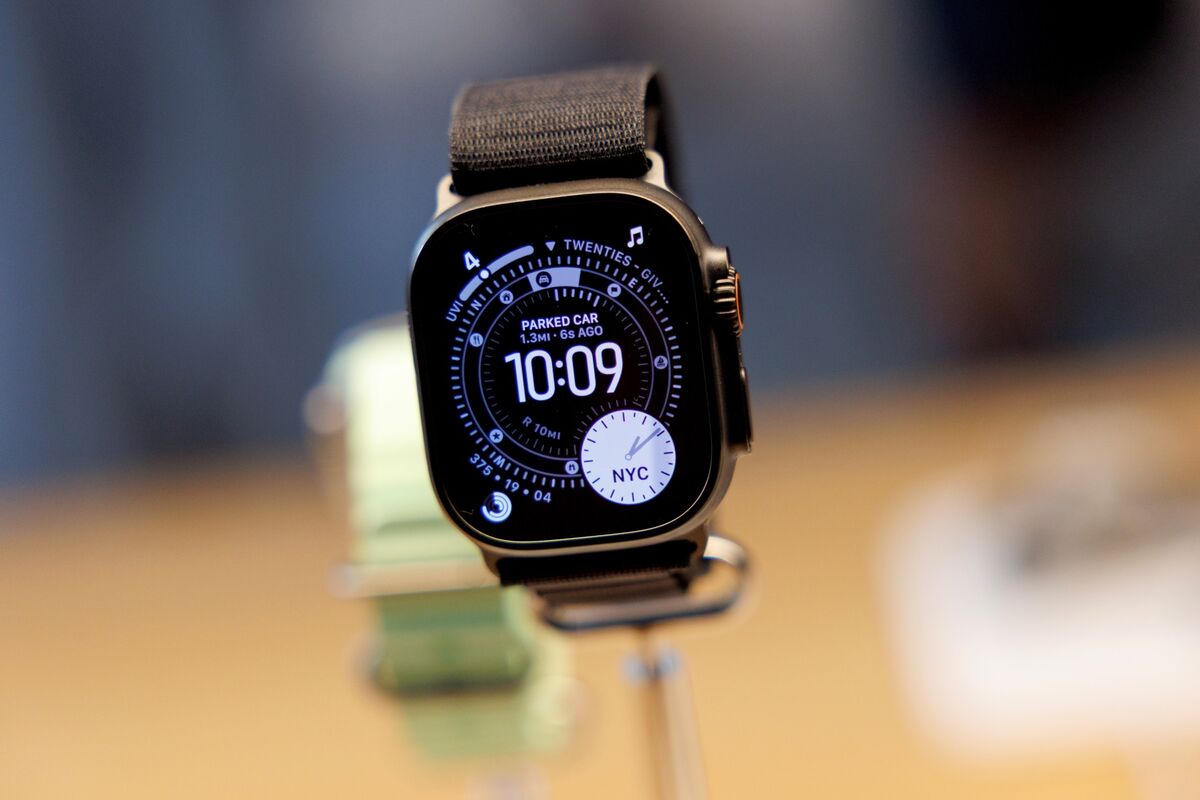
- What's new: Bloomberg's Mark Gurman reports that the Apple Watch "needs a shake-up" as it faces rising competitive heat from Whoop, Oura, and Google's Fitbit Air. The screenless fitness band category — pioneered by Whoop and now entering by both Google and Garmin — is squeezing Apple from below, while Oura's ring form factor attracts users who want always-on health monitoring without a traditional watch.
- Why it matters: For the first time in years, Apple Watch's dominance looks genuinely threatened. Google's Fitbit Air brings a screenless, subscription-free competitor into mainstream retail, Garmin's rumored "Cirqa" band targets the same segment at a premium price point, and Oura has established a loyal user base for passive health monitoring. Apple will need to respond with either new hardware or features at WWDC.
Garmin Cirqa — Screenless Fitness Band
- Brand: Garmin
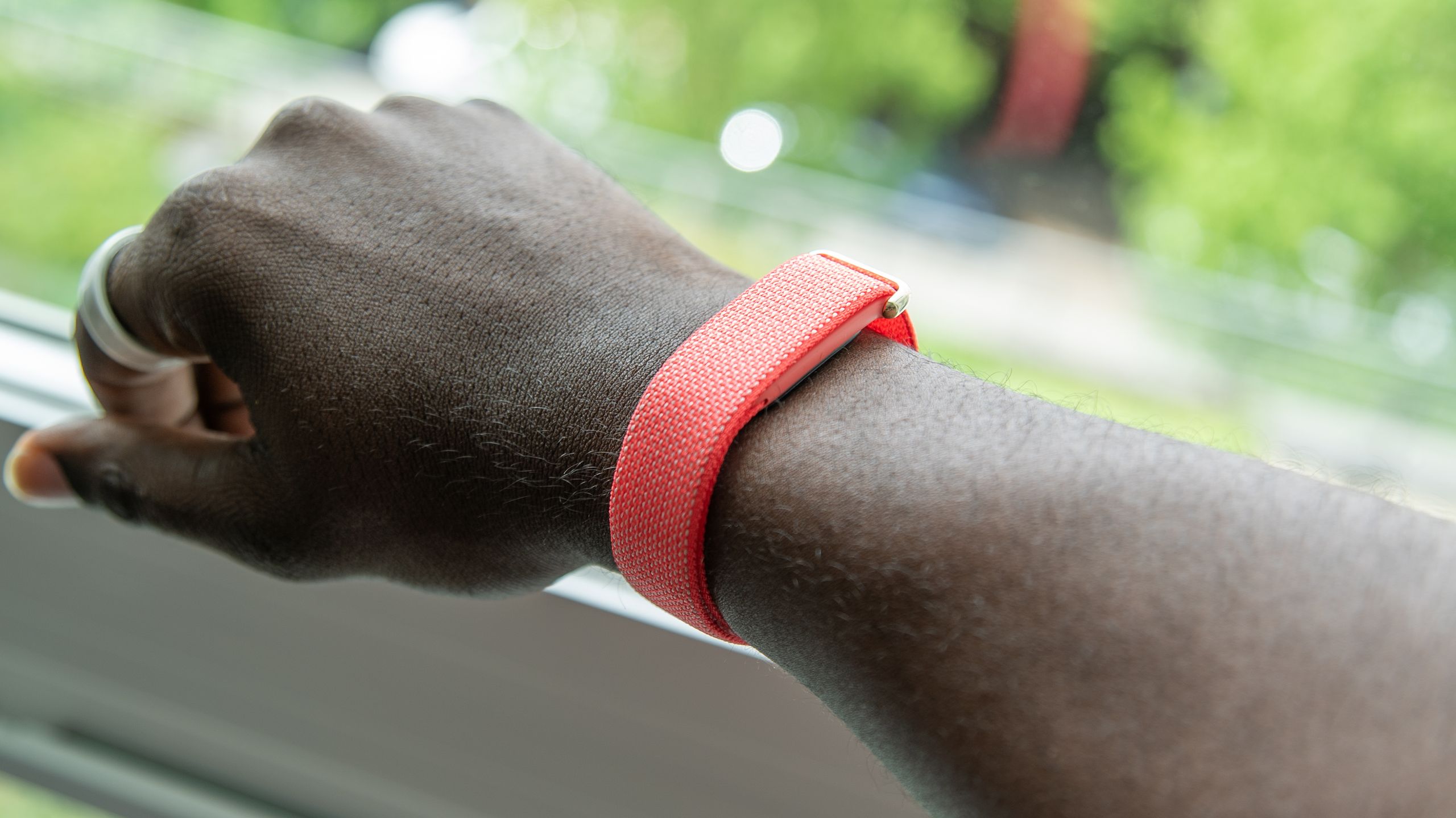
- What's new: A leaked price tag for Garmin's rumored "Cirqa" screenless fitness band suggests the device could cost roughly five times the price of the Google Fitbit Air — positioning it as a premium, subscription-free alternative in the body-worn sensor category currently dominated by Whoop.
- Why it matters: Garmin is leveraging its reputation for accuracy and its 45 million active users to enter the screenless recovery/tracking band segment. If priced at a premium, it targets the performance athlete who wants hardware-quality data without monthly fees — a direct shot at Whoop's business model. The data moat Garmin has built through its GPS-enabled devices gives it a credible foundation that pure software platforms can't easily replicate.
Apps & Platforms
Strava — Major Strength Training Overhaul
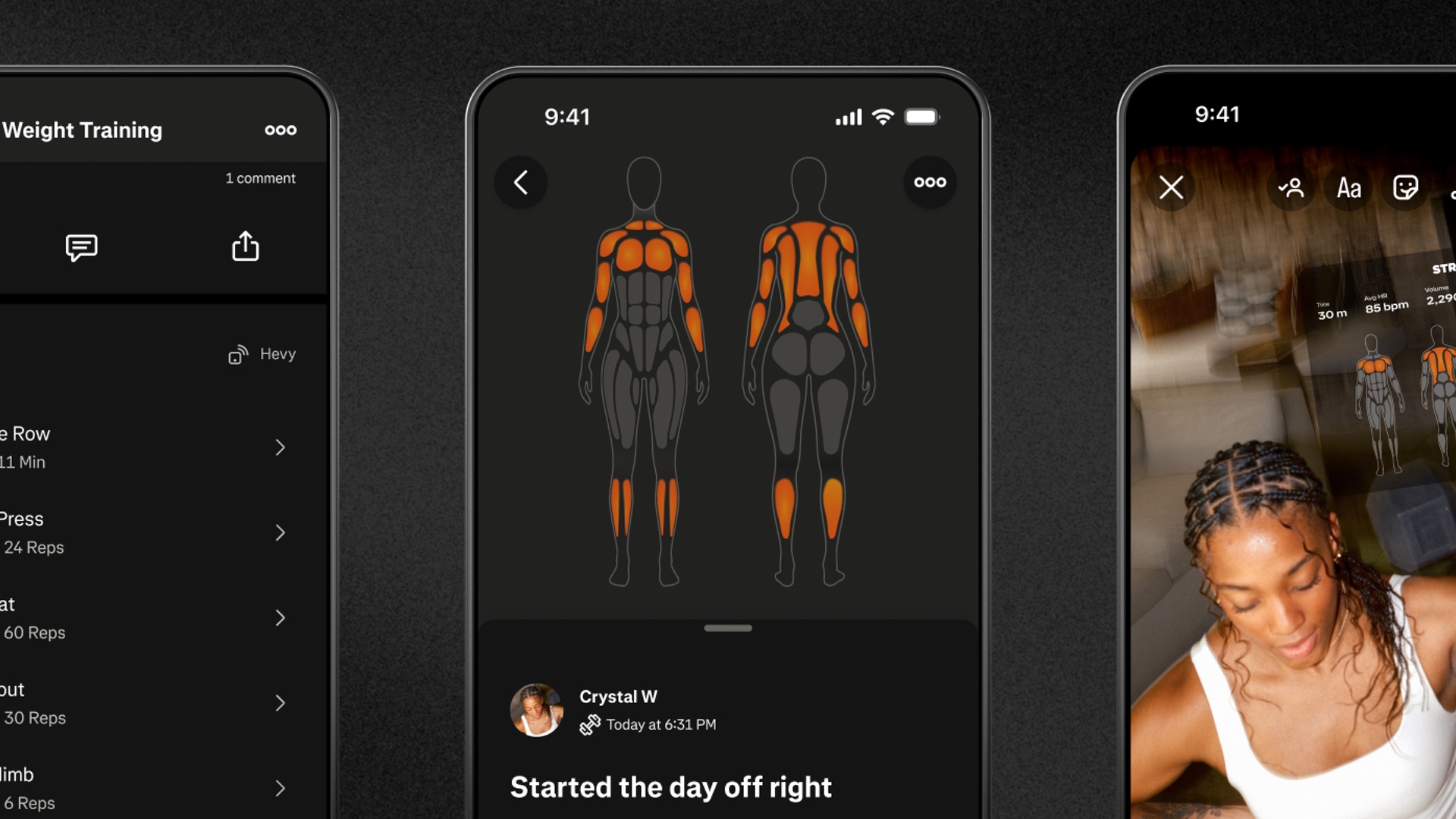
- Update: Strava has completely overhauled its strength training experience, launching a new dedicated workout log with sets, reps, and weight tracking; automatically generated muscle maps that visually highlight which muscle groups were worked; and 14 new integrations with third-party apps and devices including Garmin and COROS. The update rolls out across Strava's platform and marks the company's biggest push into indoor, gym-based fitness.
- Who benefits: Strava's 100+ million registered users who also lift weights — a segment that has historically been underserved on the platform. Athletes who use gym-focused apps like Hevy, Strong, or Apple Fitness+ alongside Strava can now consolidate their training data in one social feed.

Strava vs. Garmin Connect — Platform Competition Intensifies
- Update: Earlier reporting revealed that Garmin is reshaping its Connect platform into a Strava-like social experience, with leaked interface changes showing a more community-oriented design. This week's Strava strength training update can be read partly as a competitive response — bolstering Strava's value proposition before Garmin can siphon away gym-goers who already use Garmin hardware.
- Who benefits: Athletes and data-focused fitness users who currently use both platforms will watch this rivalry closely. Garmin's advantage is hardware data fidelity; Strava's advantage is social network effects and breadth of integrations. The outcome will shape which platform becomes the de facto fitness data hub for serious athletes.
Strava — Data Quality as the Real Challenge
- Update: Analysis from The 5K Runner notes that while Strava's commercial logic for the strength training push is "sound," the harder challenge is data quality. Strength training data is notoriously messy — inconsistent logging practices across 14 partner apps, varying exercise naming conventions, and the difficulty of automatically generating accurate muscle maps from third-party data could undermine the update's promise.
- Who benefits: This analysis is most relevant for power users and coaches who rely on training analytics. If Strava can normalize and clean strength data across its integrations, it becomes significantly more valuable as a long-term training platform — but that's a significant technical and UX challenge.

Health Sensing & Research
-
FDA's evolving framework for wellness wearables: The FDA's 2026 updated guidance on general wellness products, published in January and analyzed this week by multiple outlets, draws an important new distinction between devices providing "medical information" versus those detecting "signals and patterns." Under the updated framework, a non-calibrated fitness tracker or smartwatch cannot provide medically valid diagnostic data — but it can legitimately flag patterns warranting clinical attention, such as potential arrhythmia indicators or low blood oxygen saturation trends. This clarifies the legal and marketing landscape for companies like Apple, Samsung, and Garmin, which have been cautiously adding health features. Critically, as of the latest reporting, there have been no new FDA clearances for mainstream consumer wearables in heart monitoring, glucose, or sleep apnea since August 2025 — meaning the industry's expansion into "medical-grade" features has plateaued at the regulatory level even as consumer demand grows.
-
Consumer wearables approaching medical-grade diagnostics: Broad industry analysis from March 2026 confirmed that many 2026 wearables have received FDA Class II and Class III clearances for specific use cases, and for most tracked metrics, accuracy is approaching hospital-grade equipment. However, the key remaining gaps are in calibration consistency, real-world validation, and integration into clinical workflows. The gap between "accurate enough for wellness insight" and "accurate enough for clinical diagnosis" remains the defining challenge for the next generation of health wearables.
Weekly Analysis
The fitness tech landscape this week reveals a market in the middle of a significant transition. The screenless, always-worn sensor category — once a niche occupied solely by Whoop — is now being targeted by Google (Fitbit Air), Garmin (Cirqa), and arguably Apple (through rumored Watch evolution). This convergence signals that the industry has broadly accepted that users want health data without the friction of a screen, and that subscription-free hardware pricing is increasingly table stakes.
Meanwhile, Strava's strength training overhaul is the most strategically interesting software story of the week. It's not just a feature update — it's a direct attempt to prevent Garmin Connect from becoming the default fitness hub for the gym-going segment. With 14 partner integrations at launch, Strava is betting that its social layer is sticky enough to hold users even as Garmin builds out its own community features. The real test will be data quality: if Strava's muscle maps and workout logs are reliably accurate, the update is a genuine platform expansion. If the data is messy, it risks frustrating the power users it most needs to retain.
The regulatory picture from the FDA adds a grounding note to the hype cycle: despite years of incremental health feature launches, no mainstream consumer wearable has received a new FDA clearance in a major health category since mid-2025. The 2026 wellness guidance update helps clarify what companies can claim — pattern detection and alerting — but the path to true clinical-grade diagnostics in a consumer device remains long.
What to Watch Next Week
- Apple WWDC 2026 (expected June): With Bloomberg explicitly calling for an Apple Watch "shake-up" and competitors accelerating, all eyes are on whether Apple announces new hardware, health features, or both at its developer conference. Expect any glucose monitoring or blood pressure announcements to dominate coverage if they materialize.
- Strava strength training rollout completion: The update was announced May 21 and is rolling out over the coming weeks — watch for user community reaction on data accuracy and whether the muscle map auto-generation performs as advertised across the 14 partner app integrations, particularly Garmin and COROS.
- Garmin Cirqa official announcement: The leaked price data suggests an announcement may be imminent. An official launch or detailed specs reveal would confirm the device's positioning and directly answer how Garmin plans to compete in the screenless tracker segment against Whoop and Google Fitbit Air.
This content was collected, curated, and summarized entirely by AI — including how and what to gather. It may contain inaccuracies. Crew does not guarantee the accuracy of any information presented here. Always verify facts on your own before acting on them. Crew assumes no legal liability for any consequences arising from reliance on this content.
Powered by
