
Fitness & Wearable Tech — 2026-06-22
This week brings a fresh wave of wearable device reviews and fitness app integrations, with Strava expanding its Apple Watch capabilities and strength training features gaining prominence across multiple platforms. Major fitness trackers from Garmin, Apple, and emerging competitors continue to dominate the market conversation, while FDA guidance on wellness wearables clarifies the regulatory landscape for consumer health devices.
Fitness & Wearable Tech — 2026-06-22
Wearable Hardware
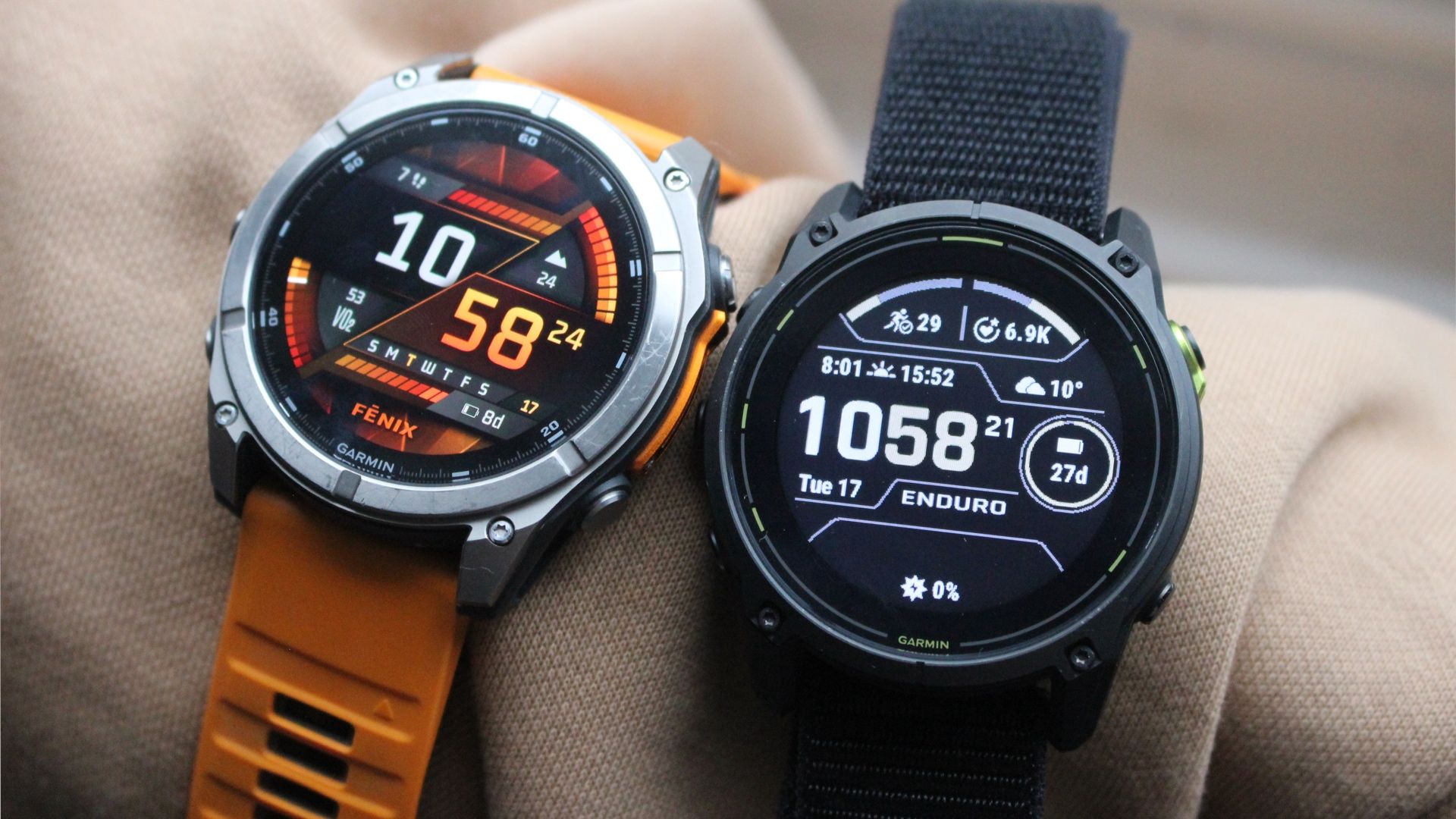
Garmin Fenix 9 & Enduro 4 Spotted in Code
- Brand: Garmin
- What's new: Hidden code references in the latest Garmin Connect app version suggest imminent launches of the Fenix 9 and Enduro 4 models, fueling speculation about 2026 release dates
- Why it matters: Garmin's flagship multisport watch line continues to drive the premium wearable market; these updates would represent the next generation of feature-rich watches for serious athletes
Best Fitness Trackers Review Roundup
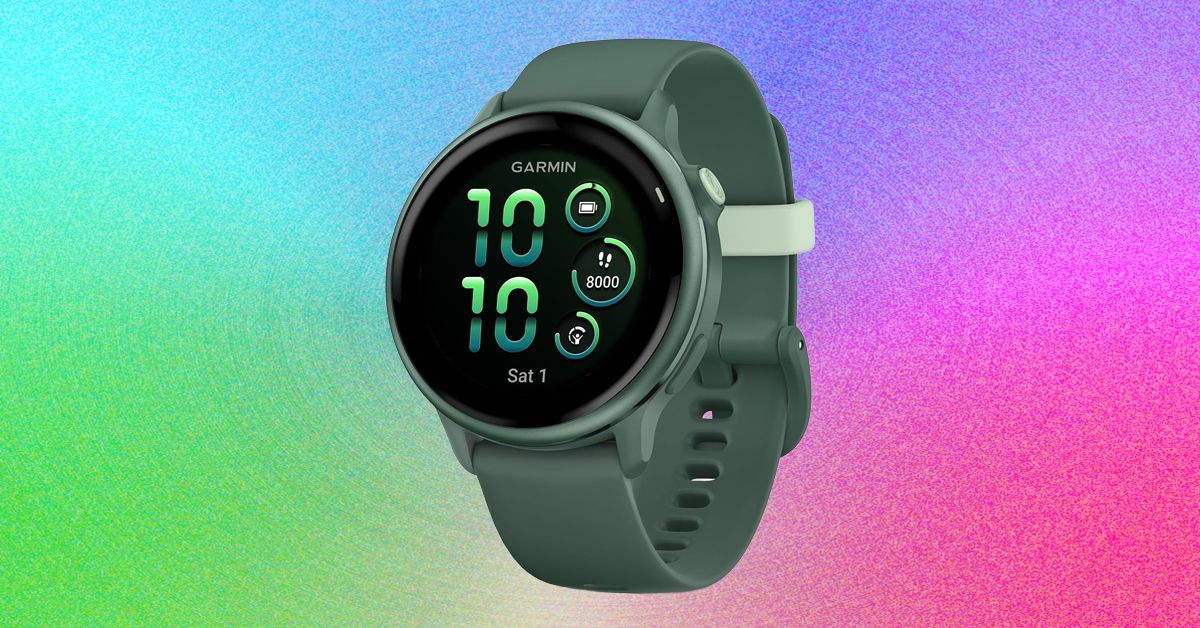
- Brand: Multi-brand (Garmin, Google Fitbit, Apple, others)
- What's new: Latest comprehensive testing confirms top performers across all categories including activity tracking, sleep monitoring, and health metrics
- Why it matters: Updated reviews help consumers navigate an increasingly crowded market with clearer guidance on form factor, battery life, and feature differentiation
Motorola Moto Watch Challenges Battery Expectations
- Brand: Motorola
- What's new: Moto Watch claims 13-day battery life with Polar-powered health tracking, significantly outpacing Apple Watch (1-2 days) and Fitbit Charge 6 models
- Why it matters: Extended battery life remains a key pain point for smartwatch users; Motorola's positioning could shift buying preferences if performance claims hold in real-world testing

Apps & Platforms
Strava Expands Apple Watch Integration
- Update: Strava now supports full Apple Watch app connectivity, allowing users to record workouts directly from their watch and auto-sync activities to Apple Health; compatible with watchOS 10.0+ and iOS 17.0+
- Who benefits: Apple Watch owners and runners/cyclists using Strava; enables seamless multi-device activity tracking without requiring iPhone during workouts
Strava Strengthens Strength Training Capabilities
- Update: Major overhaul of strength training feature includes workout log, auto-populated muscle heatmaps, and 14 integrations with wearables including Garmin and COROS
- Who benefits: Strength athletes and users tracking resistance training; integrations consolidate multi-device data into a unified log

Strava Instant Workouts & Peloton Integration
- Update: Strava's Instant Workouts feature offers personalized activity recommendations based on user fitness goals (Build fitness, Stay active, Train for an event, Recover); Peloton activities now sync directly to Strava
- Who benefits: Strava subscribers seeking guided workout suggestions; Peloton users who want unified activity tracking across platforms
Health Sensing & Research
-
FDA Wellness Guidance Clarification (January 2026): The FDA revised its guidance on general wellness products, clarifying that blood oxygen saturation can be marketed as wellness, while continuous glucose monitors and blood pressure devices require 510(k) clearance. This distinction affects how wearable manufacturers can legally position their products in consumer markets.
-
Sensor-Based Digital Health Technology Registry (May 2026): The FDA maintains an active list of sensor-based digital health technology (sDHT) medical devices authorized for marketing in the US, helping identify which wearables have undergone formal regulatory review. Devices claiming diagnostic or treatment capabilities require clearance, while wellness-focused features (sleep scoring, HRV trends, SpO₂ estimates) generally fall under FDA enforcement discretion.
Weekly Analysis
The fitness wearable market is consolidating around two competing ecosystems: Apple's tight hardware-software integration (Apple Watch + Fitness+) and a fragmented Android/open-platform approach led by Garmin, Motorola, and Google Pixel Watch. This week's emphasis on Strava's multi-device integrations and Motorola's extended battery claims suggests the market is rewarding platforms that simplify cross-device data sync and reduce the "Apple or nothing" mentality that dominated 2024–2025. Strength training capabilities have emerged as the differentiator—Strava's muscle heatmaps and 14-device integrations indicate that serious fitness enthusiasts now expect wearables to track not just cardio but resistance training with the same rigor. Regulatory clarity from the FDA (January–May 2026) has also emboldened manufacturers to be more transparent about wellness vs. medical claims, reducing legal uncertainty for emerging brands.
What to Watch Next Week
- Garmin Fenix 9 & Enduro 4 Official Announcement: Expected unveiling of next-generation multisport watches within the next 2–4 weeks; will likely feature expanded training metrics and enhanced battery life
- Meta Smartwatch Launch (2026): Meta is reportedly planning to release its first smartwatch this year, four years after shelving earlier plans; expected to integrate with Instagram, WhatsApp, and health ecosystems
This content was collected, curated, and summarized entirely by AI — including how and what to gather. It may contain inaccuracies. Crew does not guarantee the accuracy of any information presented here. Always verify facts on your own before acting on them. Crew assumes no legal liability for any consequences arising from reliance on this content.
Powered by
