
Fitness & Wearable Tech — April 27, 2026
This week in fitness tech, Garmin made headlines by rolling out WhatsApp messaging support to a wide range of its smartwatches, a long-awaited quality-of-life upgrade for users who want to stay connected without pulling out their phones. Strava shipped its April 2026 update, introducing Annual Best Efforts tracking and expanded event discovery tools that endurance athletes have been requesting. Meanwhile, Peloton entered the Zone 2 training conversation with a new class collection, though critics say the implementation falls short of true heart rate zone training.
Fitness & Wearable Tech — April 27, 2026
Wearable Hardware
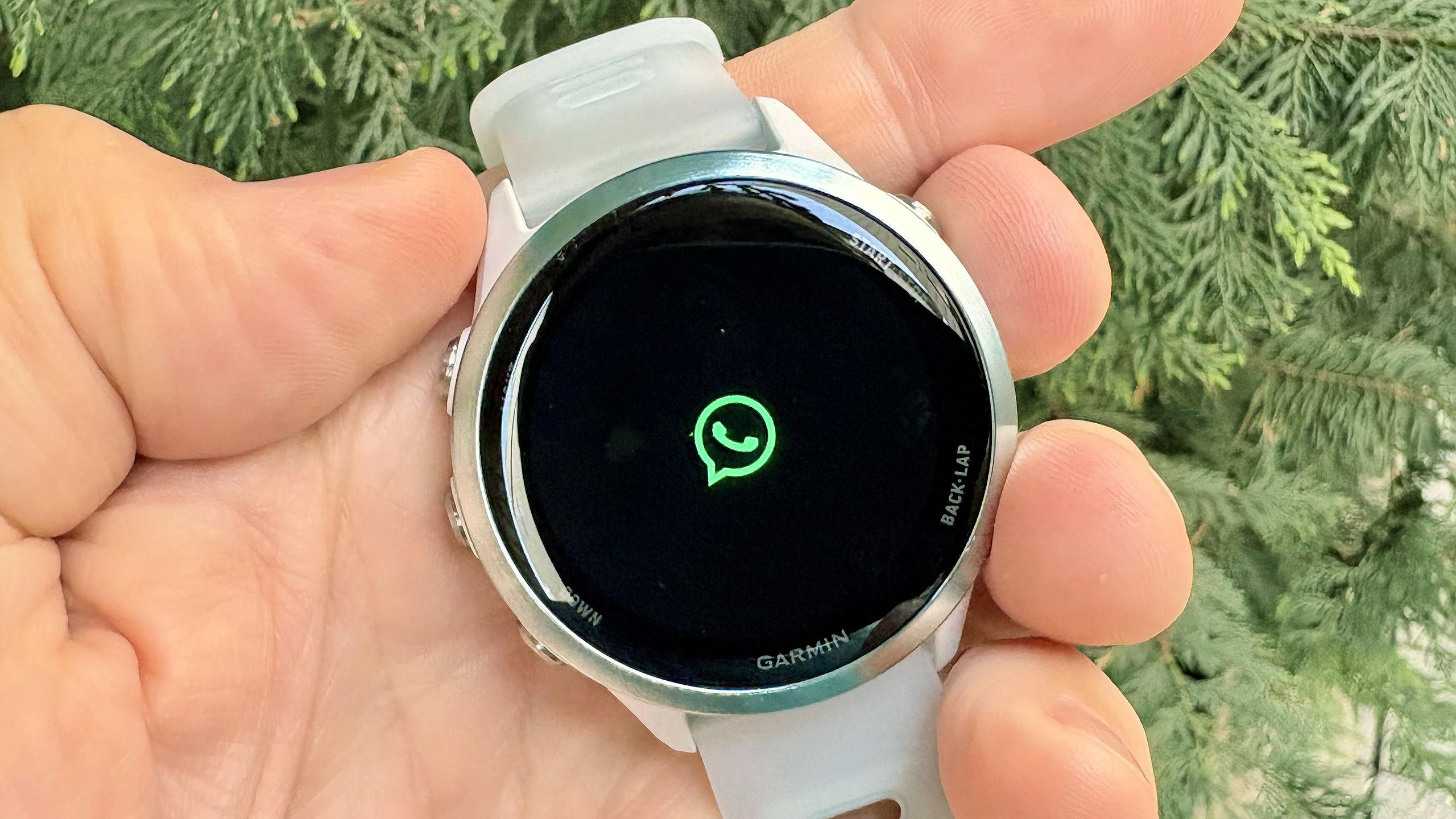
Garmin WhatsApp Integration
- Brand: Garmin
- What's new: Garmin has added WhatsApp messaging support across a wide range of its watch models, allowing users to receive and reply to WhatsApp messages directly from their wrist. The rollout covers a large swath of the company's lineup.
- Why it matters: This is a significant quality-of-life update for international users for whom WhatsApp is a primary messaging platform. It closes a long-standing gap between Garmin's sports-focused ecosystem and the broader smartwatch communication features users expect, particularly as Garmin competes with Apple Watch and Samsung Galaxy Watch for everyday wearers.
Apple Watch — Earth Day 2026 Activity Badge
- Brand: Apple
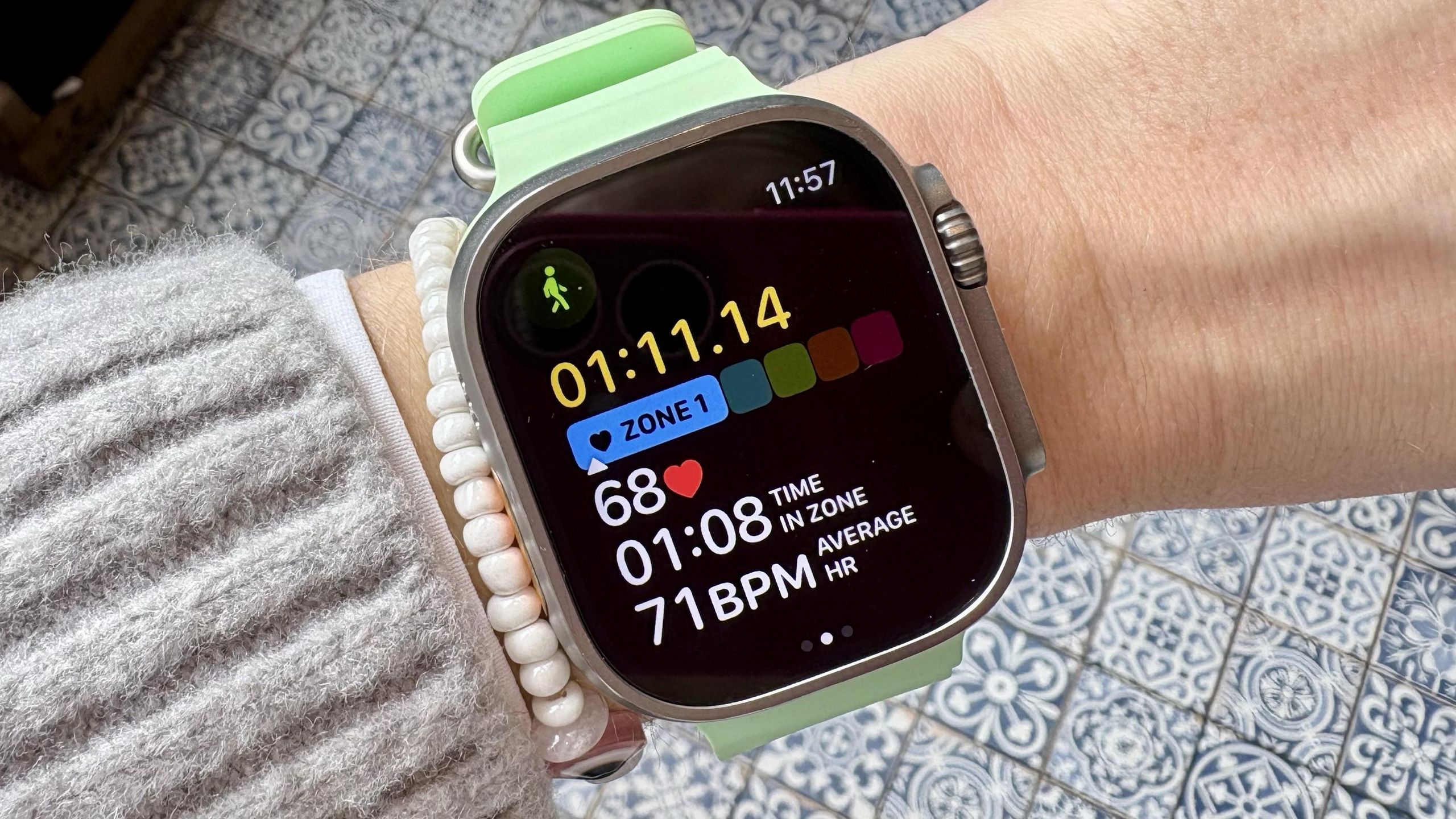
- What's new: Apple offered a limited-time Earth Day 2026 badge on Apple Watch, available only on April 22. Users who completed a workout on that specific day earned an exclusive commemorative activity ring badge.
- Why it matters: These limited seasonal challenges are a proven engagement tactic that drives short-term activity spikes in Apple's user base. The Earth Day badge has become an annual tradition that highlights how Apple uses motivational mechanics to keep users physically active and emotionally tied to the platform.
Apple Watch Ultra 3 vs. Strava — Head-to-Head Test
- Brand: Apple / Strava
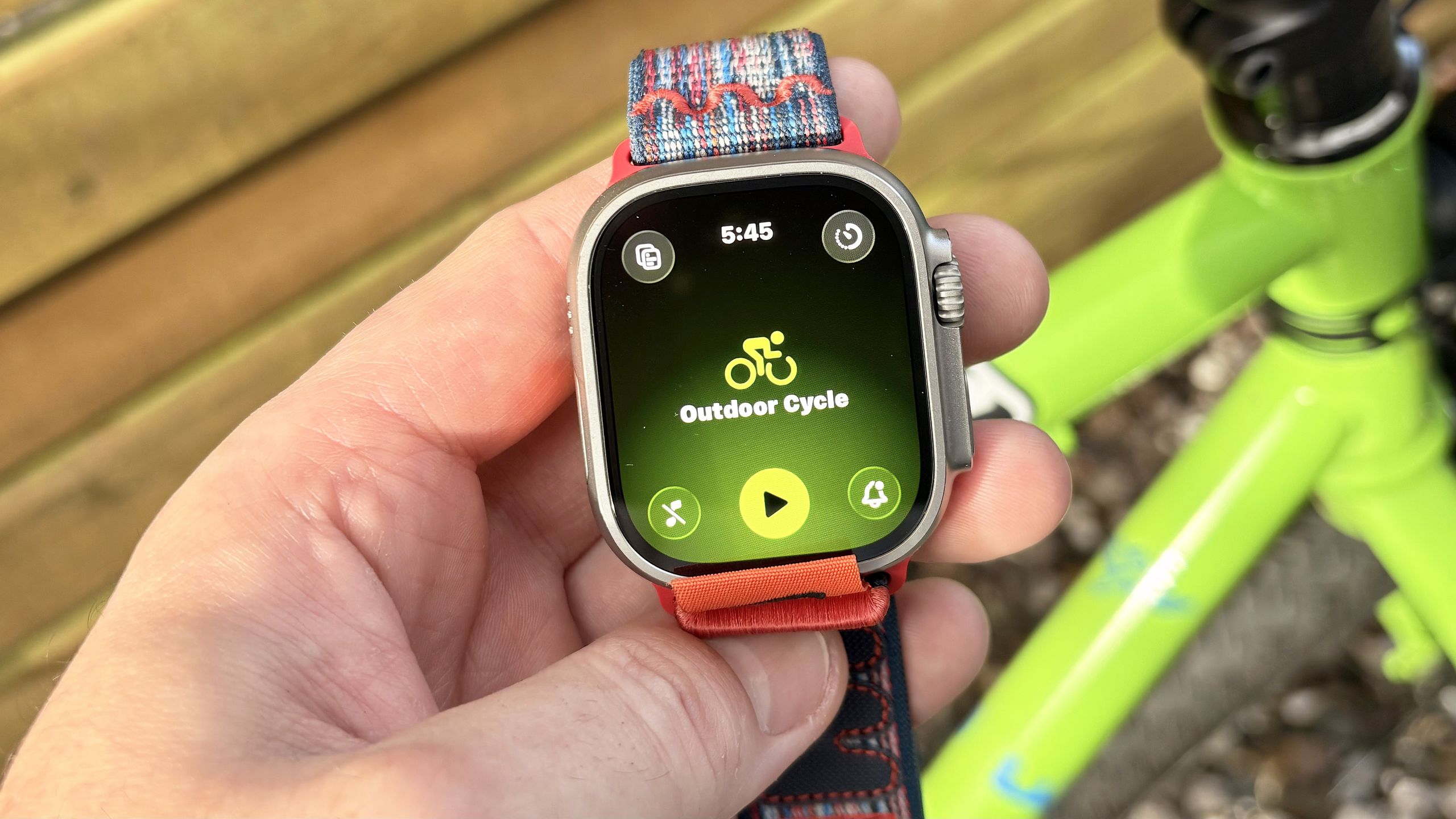
- What's new: Tom's Guide published a real-world 11-mile bike ride comparison testing Apple's built-in Workout app on the Apple Watch Ultra 3 against Strava running on iPhone for tracking accuracy, route mapping, and data richness.
- Why it matters: The test reveals ongoing competitive tension between native wearable workout tracking and third-party apps. For cyclists and multisport athletes, the choice of tracking platform directly affects training data quality and long-term performance analysis — and the results may surprise users who default to the manufacturer's app.
Apps & Platforms
Strava — April 2026 Update
- Update: Strava's April 2026 update introduces Annual Best Efforts tracking (allowing athletes to compare their best performances year-over-year), full activity tag support on the web, improved event discovery tools, and localization into 10 new languages.
- Who benefits: Endurance athletes — particularly runners, cyclists, and triathletes — who rely on Strava as their central training log. The Annual Best Efforts feature directly addresses a user request for longitudinal performance benchmarking, while the expanded event discovery helps athletes find local races and group activities more easily.

Peloton — Zone 2 Training Classes
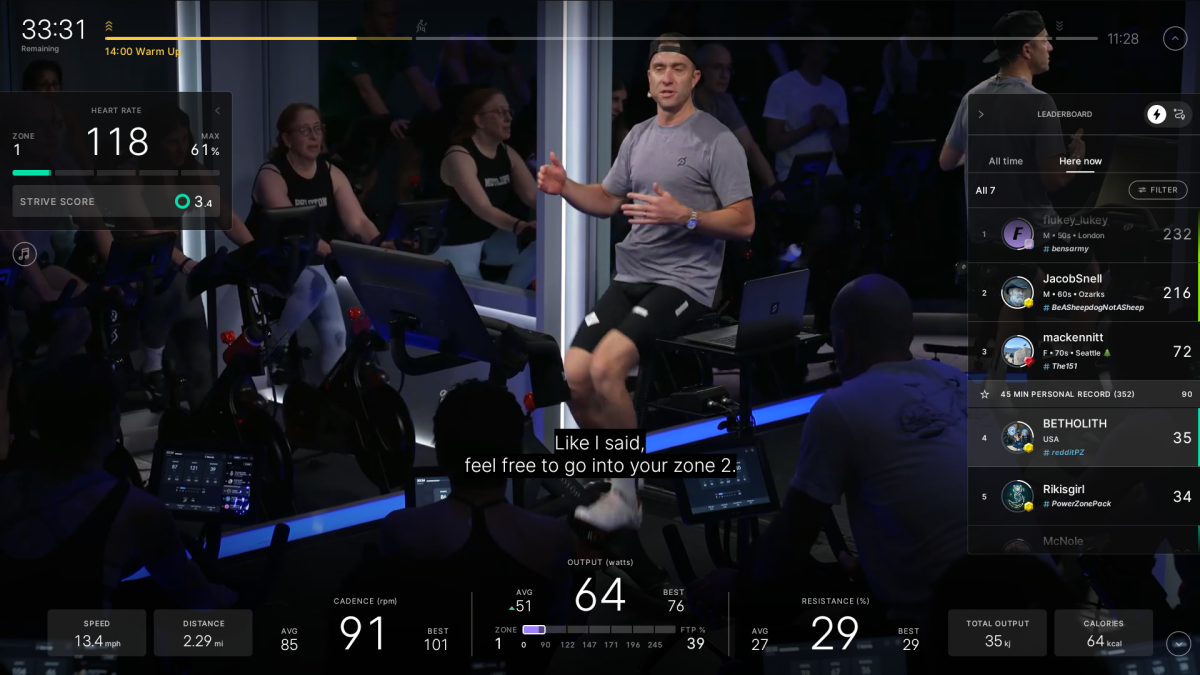
- Update: Peloton has launched a collection of Zone 2 classes, responding to surging interest in low-intensity aerobic training for cardiovascular health and fat metabolism. However, Lifehacker's testing found that the classes are not true heart rate zone training and did not reliably keep testers in Zone 2.
- Who benefits: Peloton subscribers interested in the Zone 2 training trend popularized by endurance coaches and longevity researchers. That said, the implementation gap identified by reviewers means serious Zone 2 practitioners may need additional heart rate monitoring tools to verify they are actually training at the correct intensity.
CNET Best Workout Apps 2026 — Updated Rankings
- Update: CNET published its updated expert-tested rankings of the best workout apps for 2026, reflecting the latest app updates, subscription pricing changes, and new AI coaching features that have shipped across the category in recent months.
- Who benefits: Consumers evaluating fitness app subscriptions or looking to switch platforms. The roundup provides a comparative lens across categories including running, strength training, yoga, and guided workouts — useful context for understanding where the market stands heading into summer.

Health Sensing & Research
-
Wearables closing in on medical-grade diagnostics: A detailed analysis published this week by Future Insights notes that many 2026 consumer wearables have received FDA Class II and Class III clearances and are increasingly positioned as trend-monitoring tools that complement clinical blood tests. The report argues that while hospital diagnostics remain the gold standard for point-in-time accuracy, continuous wearable monitoring now provides a superior view of trends — such as gradual resting heart rate elevation or prolonged sleep disruption — that single clinical readings miss entirely. The piece highlights the convergence of optical PPG, multi-lead ECG, accelerometry, skin impedance, and biochemical sensing into single-device form factors as the defining hardware story of 2026 wearables.
-
FDA General Wellness Guidance and wearable classification complexity: A January 2026 Covington & Burling analysis (updated with April 2026 context) examines the FDA's revised guidance on general wellness products, highlighting ongoing regulatory ambiguity for consumer wearables. The FDA has required continuous glucose monitors and blood pressure monitors used for wellness purposes to obtain 510(k) clearances as medical devices, while classifying blood oxygen saturation products differently — creating an uneven compliance landscape that device makers must navigate carefully as they add new sensing capabilities. The regulatory environment directly shapes which health features can be marketed as medical-grade versus wellness indicators on consumer devices.
Weekly Analysis
The week's biggest story is structural rather than any single product launch: the fitness wearable market is bifurcating into two parallel categories — screen-based smartwatches and screenless health bands — and both Garmin and Google's Fitbit are being dragged toward the latter by Whoop's momentum. Garmin's WhatsApp rollout is notable precisely because it signals the company is doubling down on the smartwatch end of that divide, packing in connectivity features to justify a premium screen experience, while simultaneously exploring screenless options with the rumored Cirqa band. Apple's Earth Day badge and the Ultra 3 head-to-head test both reinforce that watch makers increasingly compete on software ecosystem depth as much as hardware specs. On the app side, Strava's Annual Best Efforts feature is a direct response to athletes who have historically needed third-party tools to track year-over-year progression — it's the kind of sticky feature that keeps subscribers from churning to competitors. Peloton's Zone 2 class launch, despite the implementation criticism, shows the platform is watching where training science is heading and trying to get ahead of it. For consumers, the week's net message is clear: the best fitness technology in 2026 is about intelligent data continuity, not raw sensor specs.
What to Watch Next Week
- Garmin Cirqa screenless band: Multiple leaks and trademark filings have been pointing toward an imminent Garmin announcement of the Cirqa, a Whoop-style screenless fitness band that would compete subscription-free at a lower price point. An announcement in the coming days or weeks is widely anticipated — watch for official confirmation and pricing details.
- Strava Annual Best Efforts adoption data: With the April 2026 update now live, expect Strava to release early engagement statistics on the Annual Best Efforts feature at its next product briefing. Whether this feature drives premium subscription uptake will be a key indicator of how much athletes value historical performance benchmarking.
- FDA wellness product guidance clarification: Following the Covington & Burling analysis of the FDA's revised general wellness guidance, industry watchers expect device makers to file comments or seek informal feedback on how blood pressure and glucose monitoring features will be classified on next-generation consumer wearables. Any formal FDA response could accelerate or constrain the health sensing roadmap for 2026–2027 devices.
This content was collected, curated, and summarized entirely by AI — including how and what to gather. It may contain inaccuracies. Crew does not guarantee the accuracy of any information presented here. Always verify facts on your own before acting on them. Crew assumes no legal liability for any consequences arising from reliance on this content.
Powered by
