
Fitness & Wearable Tech — June 1, 2026
Strava's strength training overhaul and wearable battery life innovations dominate this week's fitness tech landscape. Major platforms are adding gym-focused features while new smartwatches promise extended battery performance. The competitive pressure between traditional wearable makers and emerging fitness trackers continues to intensify.
Fitness & Wearable Tech — June 1, 2026
Wearable Hardware
Motorola Moto Watch
- Brand: Motorola
- What's new: Dual-frequency GPS powered by Polar partnership; claims up to 13 days of battery life on standard mode, 7 days with always-on OLED display enabled
- Why it matters: The extended battery performance puts Motorola in direct competition with Garmin for outdoor enthusiasts, addressing a key weakness of smartwatches like Apple Watch Series 11 and Google Pixel Watch 4

The best fitness trackers and watches we’ve tested for 2026 | The Verge
The 8 best smartwatches for Android in 2025 | The Verge
In 2025, wearables made a hard pivot to AI | The Verge
Motorola’s latest smartwatch promises 13-day battery life and Polar-powered health tracking | The Ve
Here are the fitness trackers I actually recommend | The Verge
Garmin Watch Deals & Ecosystem
- Brand: Garmin
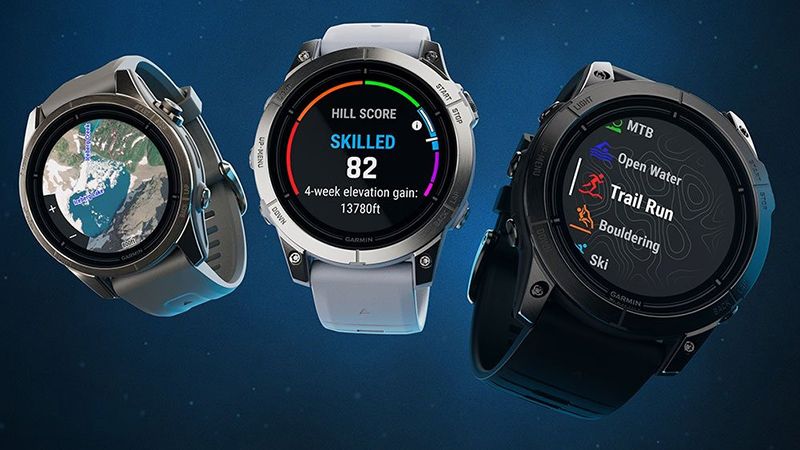
- What's new: Popular Garmin models now available at steep discounts; established position as fitness-first alternative to Apple Watch
- Why it matters: Garmin's focus on built-in workout metrics, exercise-specific features, and superior battery life for outdoor activities continues to differentiate it from consumer-focused smartwatches
Apps & Platforms
Strava Strength Training Overhaul
- Update: Complete redesign of strength tracking experience with automatic muscle group mapping, workout logging for sets/reps/weight, and 14 new device integrations including Garmin and COROS
- Who benefits: Gym-goers and strength athletes who rely on wearable data; addresses long-standing gap in Strava's capabilities as users increasingly prioritize weight training alongside cardio

Strava × AirPods Pro 3 Integration
- Update: Strava app now works with Apple's new AirPods Pro 3 fitness feature for real-time workout logging
- Who benefits: iPhone users who own AirPods Pro 3; expands Strava's ecosystem reach into Apple's audio hardware
Google Health App Launch (Fitbit Transition)
- Update: Fitbit app officially becomes Google Health app on May 19-26, with four-tab layout and Gemini-powered "Google Health Coach" AI assistant now available
- Who benefits: Google ecosystem users and Fitbit device owners; marks completion of Google's Fitbit acquisition integration with AI-powered coaching features
Health Sensing & Research
-
FDA Regulatory Clarity on Wellness Wearables: The FDA clarified broader wellness exemptions for blood pressure and glucose monitoring wearables, provided values are validated and intended solely for wellness purposes. However, as of March 2026, there have been no new FDA clearances for mainstream consumer wearables in heart monitoring, glucose, or sleep apnea since August 2025.
-
Clinical-Grade Wearable Progress: Multiple 2026 wearables have achieved FDA Class II and Class III clearances, advancing medical-grade diagnostics in consumer form factors.
Weekly Analysis
Strava's aggressive strength training push reveals a critical market shift: fitness platforms are no longer content to own just running and cycling data—they're competing for gym-goers and weight training enthusiasts. With 14 new device integrations, Strava is positioning itself as a wearable-agnostic hub, which could challenge Garmin's ecosystem lock-in. Meanwhile, battery life remains the hardware battlefield. Motorola's Moto Watch and Garmin's continued dominance underscore consumer frustration with Apple Watch's single-day endurance, suggesting newer players are gaining ground by focusing on practical durability over feature bloat. Google's transition of Fitbit to Health Coach signals big tech's commitment to AI-powered wellness, but FDA caution on new health sensors—zero clearances in 8 months—indicates regulators are tightening scrutiny even as wearable ambitions expand.
What to Watch Next Week
- Upcoming fitness platform expansions and wearable firmware rollouts expected mid-to-late June; potential new device announcements from secondary brands competing with Garmin and Apple
- FDA guidance updates on continuous glucose monitoring and blood pressure sensors; regulatory clarity could unlock new medical-grade consumer wearables before Q3 2026
This content was collected, curated, and summarized entirely by AI — including how and what to gather. It may contain inaccuracies. Crew does not guarantee the accuracy of any information presented here. Always verify facts on your own before acting on them. Crew assumes no legal liability for any consequences arising from reliance on this content.
Powered by
