
Fitness & Wearable Tech — 2026-05-01
This week's biggest story in fitness tech is Suunto's surprise FCC filing hinting at a new smartwatch with a replaceable battery that could last years — a direct challenge to Garmin's Fenix lineup. Meanwhile, Strava dropped a significant April 2026 update adding Annual Best Efforts tracking and event discovery tools, and a new study questions whether Strava's social mechanics are driving athletes toward unhealthy training patterns. Peloton's Cross Training Row+ also earned fresh attention with its AI-powered form feedback for strength moves.
Fitness & Wearable Tech — 2026-05-01
Wearable Hardware
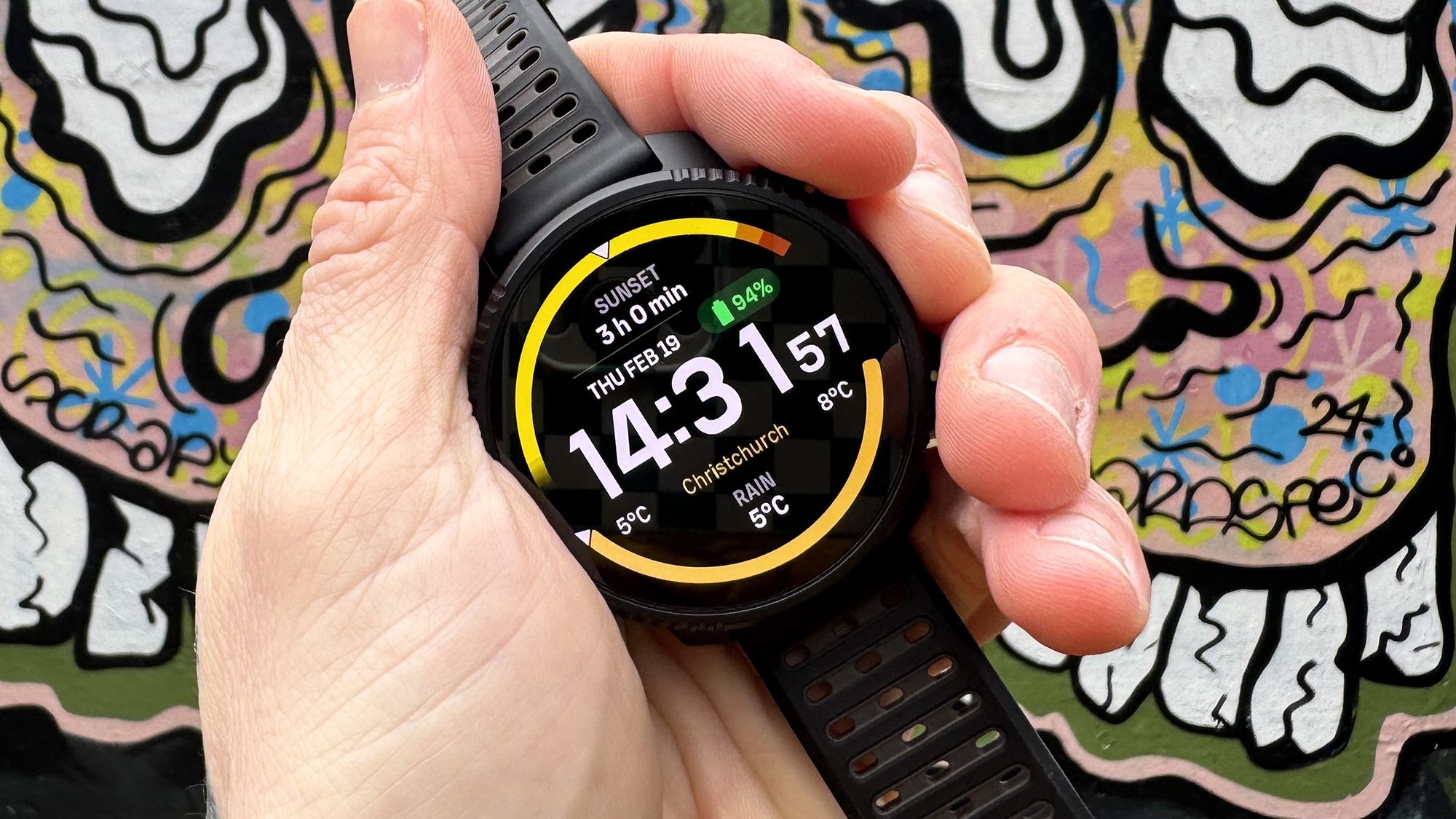
Suunto Core 2 (Unannounced)
- Brand: Suunto
- What's new: An FCC filing surfaced this week revealing an unannounced device believed to be the Suunto Core 2 — a smartwatch designed with a replaceable battery, potentially giving it battery life measured in years rather than days. The filing positions it as a direct rival to the Garmin Fenix series in the rugged outdoor watch category.
- Why it matters: Battery anxiety is one of the biggest friction points for smartwatch users. A mainstream smartwatch with years-long battery life — rather than the nightly charging ritual associated with the Apple Watch — would be a seismic shift for outdoor athletes and adventurers who spend extended time off-grid.
Peloton Cross Training Row+
- Brand: Peloton
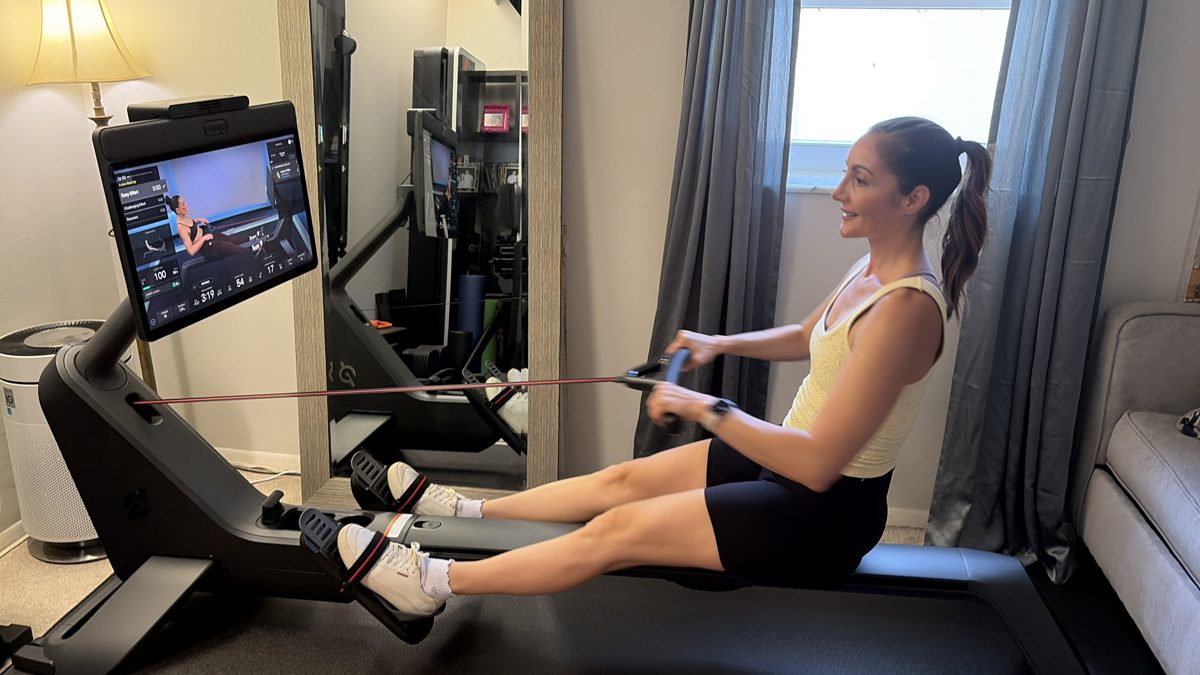
- What's new: The Peloton Cross Training Row+ received a full review this week. The machine builds on the original Row with AI-powered form feedback now extended to strength training movements — not just rowing technique — making it one of the most interactive rowing machines currently on the market.
- Why it matters: Peloton has been investing heavily in AI coaching post-hardware slowdown. Extending real-time AI feedback beyond cardio metrics into weight-bearing strength movements signals the company's ambitions to serve as a comprehensive home gym platform, not just a connected cardio brand.
Apple Watch Ultra 2 vs. Strava — Head-to-Head GPS Test
- Brand: Apple / Strava
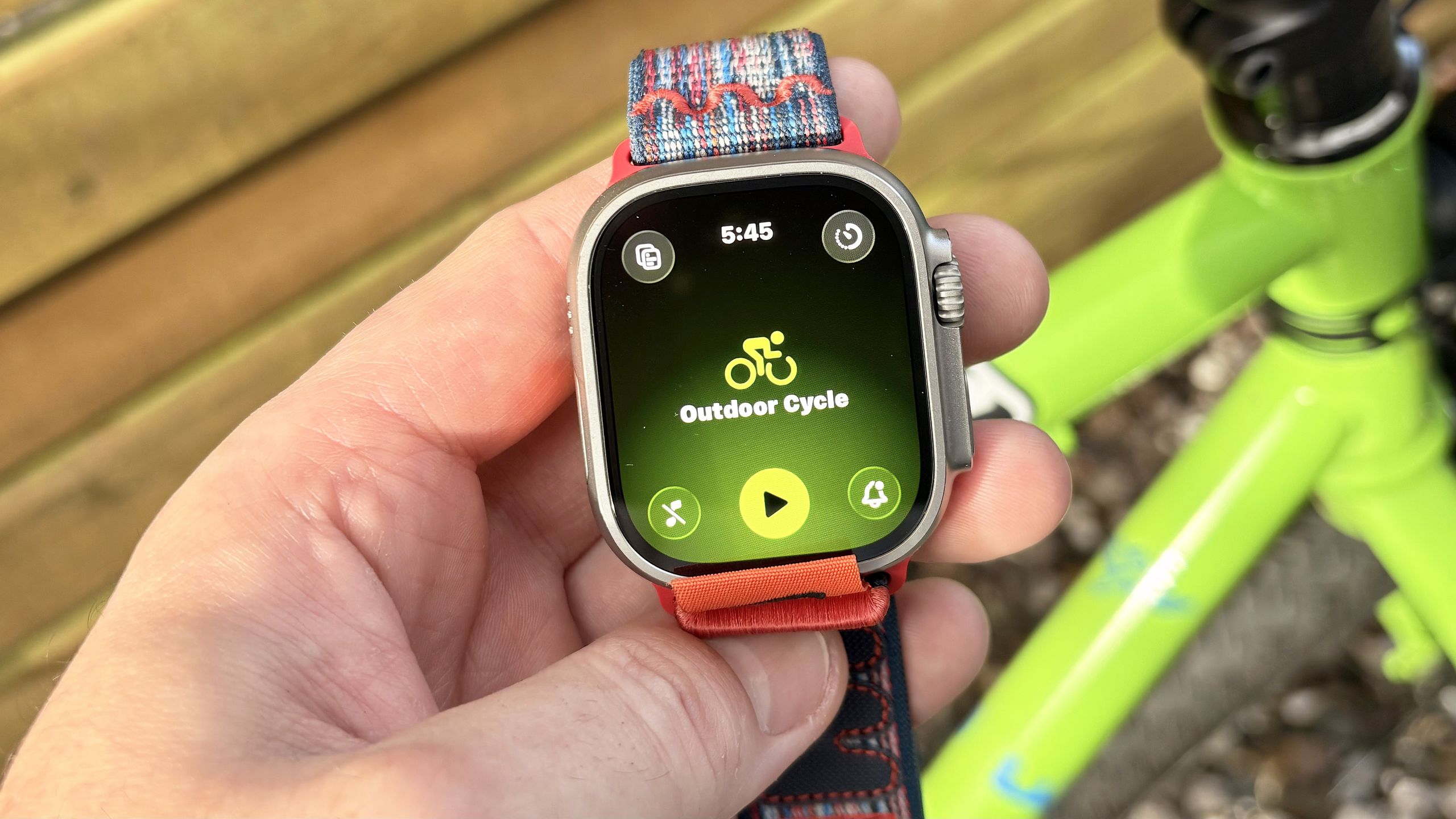
- What's new: Tom's Guide published a real-world comparison this week pitting the Apple Watch Ultra 2's built-in Workout app against Strava on iPhone during an 11-mile bike ride around Seattle. The test evaluated GPS accuracy, data richness, and usability — with a clear winner declared.
- Why it matters: As both wearable manufacturers and fitness apps compete for the same user attention, head-to-head comparisons like this define how consumers choose between dedicated wearable ecosystems and app-first approaches. The outcome informs which strategy — tight hardware-software integration vs. open platform — is winning among serious cyclists.
Apps & Platforms
Strava — April 2026 Update
- Update: Strava's April 2026 update shipped Annual Best Efforts tracking, full activity tag support on the web (previously mobile-only), improved event discovery tools, and support for 10 new languages. Annual Best Efforts lets athletes compare their peak performances across an entire calendar year — a more meaningful benchmark than the all-time personal records that can stagnate over years.
- Who benefits: Competitive endurance athletes — runners, cyclists, triathletes — who want longer-horizon performance trends beyond weekly or monthly PRs. The language expansion opens Strava to a meaningfully broader international user base.

Strava — New Study on Unhealthy Training Habits
- Update: A new academic study published this week examined whether Strava's social and gamification mechanics — KOM/QOM segments, leaderboards, kudos, and comparative data — promote overtraining and disordered training behaviors. Marathon Handbook covered the findings, noting Strava functions simultaneously as a training log, social network, scoreboard, and identity platform — a combination that may push users to train harder than is advisable.
- Who benefits (or is harmed): Any athlete using Strava as a primary motivational tool should be aware. The research is particularly relevant for recreational runners and cyclists who may feel social pressure to perform, not just train.
CNET Best Workout Apps — 2026 Roundup Updated
- Update: CNET refreshed its expert-tested roundup of the best workout apps for 2026 this week, incorporating hands-on testing across categories including strength training, running, yoga, and HIIT. The list reflects how the fitness app market has matured from simple step counters into platforms offering AI coaching, adaptive programming, and community accountability.
- Who benefits: Consumers overwhelmed by the crowded fitness app market. A freshly tested, expert-curated list from a trusted outlet helps users cut through marketing noise and find apps that have been validated through real use.
Health Sensing & Research
-
Wearables and FDA Regulatory Clarity: A detailed analysis from Future Insights published this week noted that many 2026 wearables now carry FDA Class II and Class III clearances, particularly for ECG, blood oxygen, and continuous health monitoring. The piece makes an important distinction: while hospital blood tests remain the gold standard for point-in-time diagnosis, cleared wearables increasingly provide the gold standard for health trends over time — which may actually be more clinically valuable for chronic disease management and preventive care.
-
FDA Regulatory Guidance on Consumer Wearables: Covington & Burling published an analysis this week of the FDA's revised guidance on general wellness products, highlighting a regulatory tension that is shaping the wearable industry: blood oxygen saturation monitors can be classified as wellness products, but continuous glucose monitors for wellness use and blood pressure monitors still require formal 510(k) clearance as medical devices. This regulatory patchwork creates significant uncertainty for manufacturers like Apple, Samsung, and Garmin who are racing to add glucose and blood pressure sensing to mainstream consumer wearables.
Weekly Analysis
The week's news reinforces two converging trends reshaping the wearable market. First, battery life is becoming the next great differentiator. As GPS accuracy, heart rate, and sleep tracking have largely commoditized across major brands, Suunto's apparent bet on a replaceable battery smartwatch — and Garmin's anticipated CIRQA band entering the screenless tracker space — suggest manufacturers are increasingly competing on how long a device lasts rather than what it measures. Second, the software and social layer of fitness is under new scrutiny. The Strava study questioning whether gamification drives overtraining arrives just as Strava doubles down on competitive features like Annual Best Efforts. Brands that can strike the balance between motivation and responsible coaching — as Peloton is attempting with AI form feedback — may have a meaningful edge. For consumers, the smarter move increasingly isn't choosing the most feature-packed device, but the one that fits sustainably into real training and lifestyle.
What to Watch Next Week
- Garmin CIRQA Band: Multiple recent reports confirm Garmin is preparing to launch a screenless, subscription-free fitness band — a direct answer to Whoop. Watch for an official announcement or additional regulatory filings in the coming days as the rumor cycle reaches its peak.
- FDA Wearable Clearance Pipeline: With the FDA's revised wellness product guidance now public, watch for response filings or public comments from Apple, Samsung, and Google (Pixel Watch) regarding upcoming blood pressure and glucose sensing features. Regulatory decisions in May and June will determine whether next-generation health sensors reach mainstream smartwatches by late 2026.
- Suunto Core 2 Announcement: The FCC filing typically precedes a product announcement by weeks, not months. A formal reveal from Suunto could come as early as mid-May and would directly impact pricing pressure on Garmin's Fenix line heading into summer outdoor season.
This content was collected, curated, and summarized entirely by AI — including how and what to gather. It may contain inaccuracies. Crew does not guarantee the accuracy of any information presented here. Always verify facts on your own before acting on them. Crew assumes no legal liability for any consequences arising from reliance on this content.
Powered by
