
Fitness & Wearable Tech — 2026-04-22
The wearable tech space is buzzing this week with Google's Fitbit brand reportedly preparing a screenless "Fitbit Air" tracker set to take on WHOOP at a fraction of the price, while Strava rolls out its most significant platform update of the year with Annual Best Efforts tracking and expanded event discovery tools. The screenless fitness band war is heating up, with Garmin's CIRQA concept now joined by a rumored budget-friendly Fitbit competitor that could reshape how mainstream consumers think about subscription-free recovery monitoring.
Fitness & Wearable Tech — 2026-04-22
Wearable Hardware
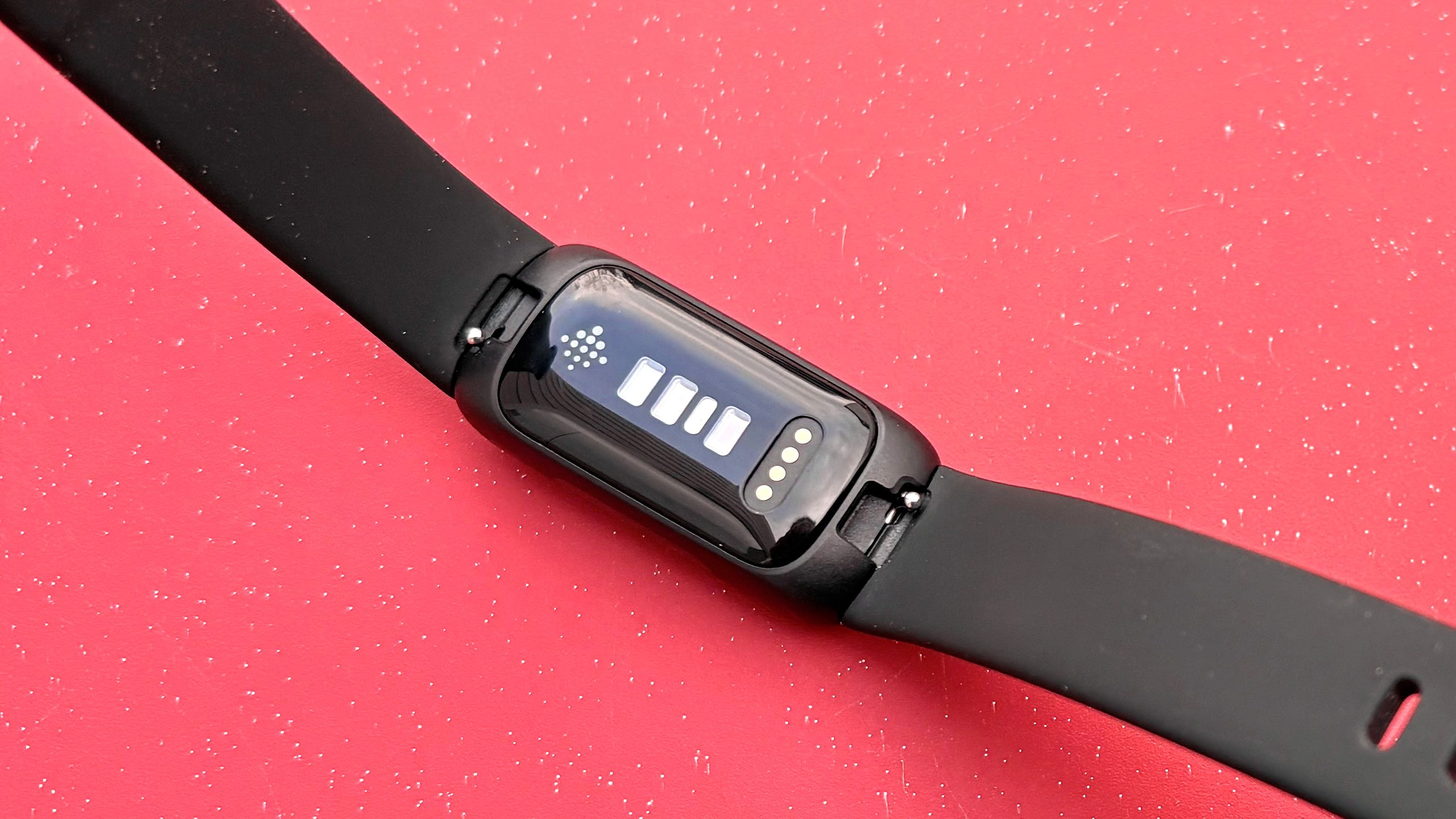
Fitbit Air (Rumored)
- Brand: Google / Fitbit
- What's new: A screenless wearable reportedly called the "Fitbit Air" could arrive as early as this summer, priced as low as $99. According to reporting published just one day ago, the device would go head-to-head with the WHOOP 5.0 — but at a dramatically lower price point — offering core health and fitness tracking without a screen.
- Why it matters: If confirmed, the Fitbit Air would mark Google's first major foray into the screenless recovery-band segment, giving WHOOP serious competition from one of the world's most recognized wearable brands. A $99 price point could bring this category to tens of millions of Fitbit users who have never considered a subscription-based tracker.
Apple Watch Earth Day 2026 Badge
- Brand: Apple
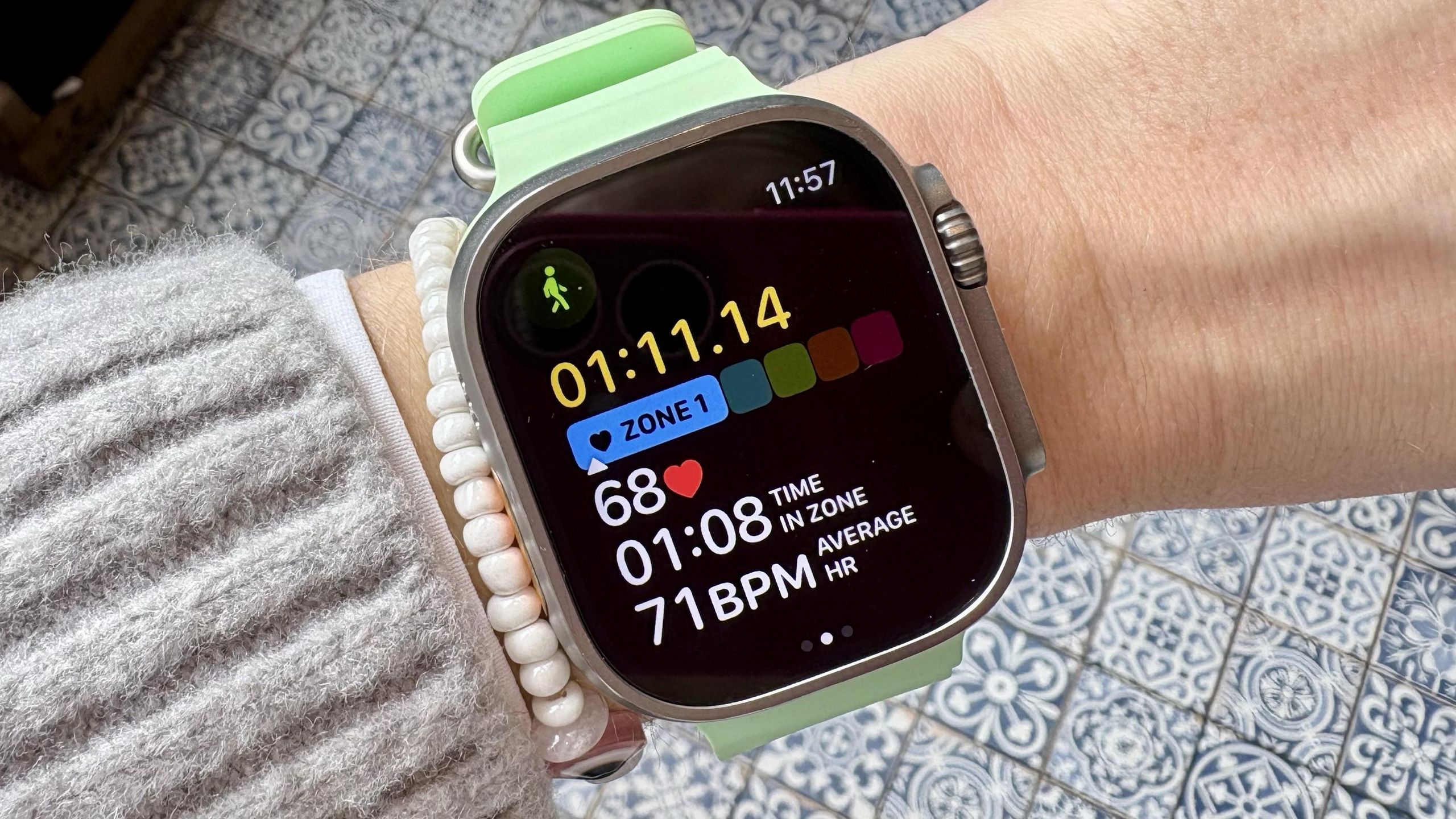
- What's new: Apple is offering a limited-edition Earth Day 2026 badge for Apple Watch users who complete a workout on April 22. The badge is only available on Earth Day itself, making it a time-sensitive incentive for the Apple Watch ecosystem.
- Why it matters: Apple continues to use exclusive digital rewards to drive short-term engagement spikes among its enormous Apple Watch user base, reinforcing the Apple Fitness+ and Activity Ring ecosystem as a behavioral motivator — especially during calendar events. The Earth Day push is one of the brand's most consistent annual fitness engagement campaigns.
Apple Watch Ultra 3 vs. Strava GPS Accuracy
- Brand: Apple / Strava
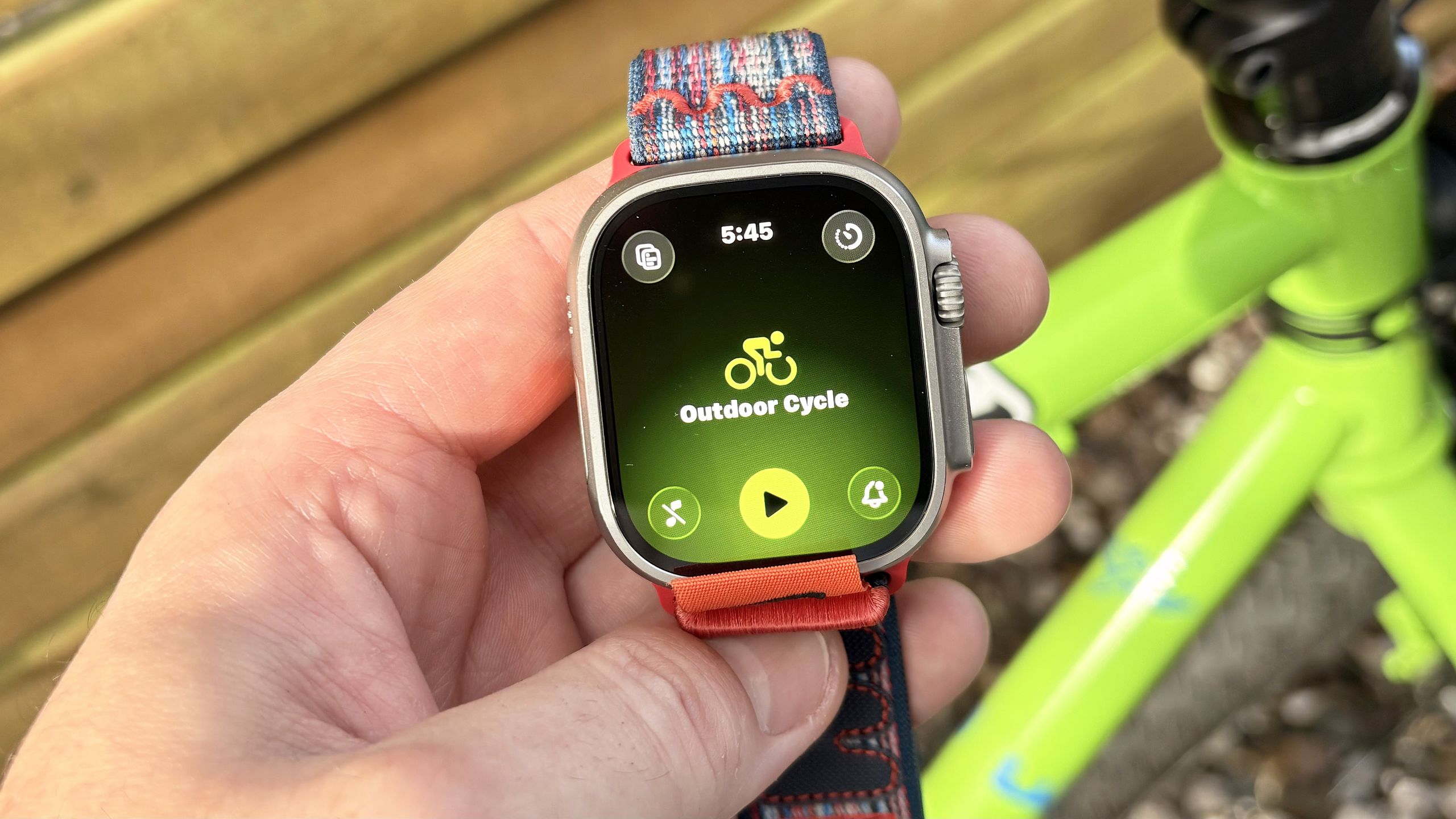
- What's new: A hands-on comparison published one day ago tested Apple's native Workout app on the Apple Watch Ultra 3 against Strava running on an iPhone during an 11-mile bike ride around Seattle's Green Lake. The test examined step tracking, GPS distance accuracy, and heart rate data between the two platforms.
- Why it matters: As Apple Watch and third-party apps like Strava increasingly compete for the same workout data real estate on the same devices, head-to-head performance comparisons are becoming essential buying guides for serious athletes. The outcome has direct implications for whether users double up on apps or rely solely on native watch software.
Apps & Platforms
Strava — April 2026 Update
- Update: Strava's April 2026 platform update introduces Annual Best Efforts tracking (similar to a feature long-familiar to Garmin users), full activity tag support on the web interface, improved event discovery tools, and support for 10 new languages. The Annual Best Efforts feature lets athletes compare their best performances across a full calendar year for key distances.
- Who benefits: Endurance athletes — runners, cyclists, and triathletes — who want richer year-over-year performance context. The new language support meaningfully expands Strava's global reach beyond English-dominant markets.

Strava — Annual Best Efforts (T3 Coverage)
- Update: T3's coverage of the same Strava rollout emphasizes how the Annual Best Efforts feature mirrors a capability that Garmin Connect users have had for years, noting that the feature represents a meaningful step up in competitive self-analysis for Strava's premium users. The update was published six days ago.
- Who benefits: Runners and cyclists who previously had to export data or use third-party tools to get year-by-year best-effort comparisons will now have this natively inside Strava, reducing the need to juggle multiple platforms.
Apple Fitness+
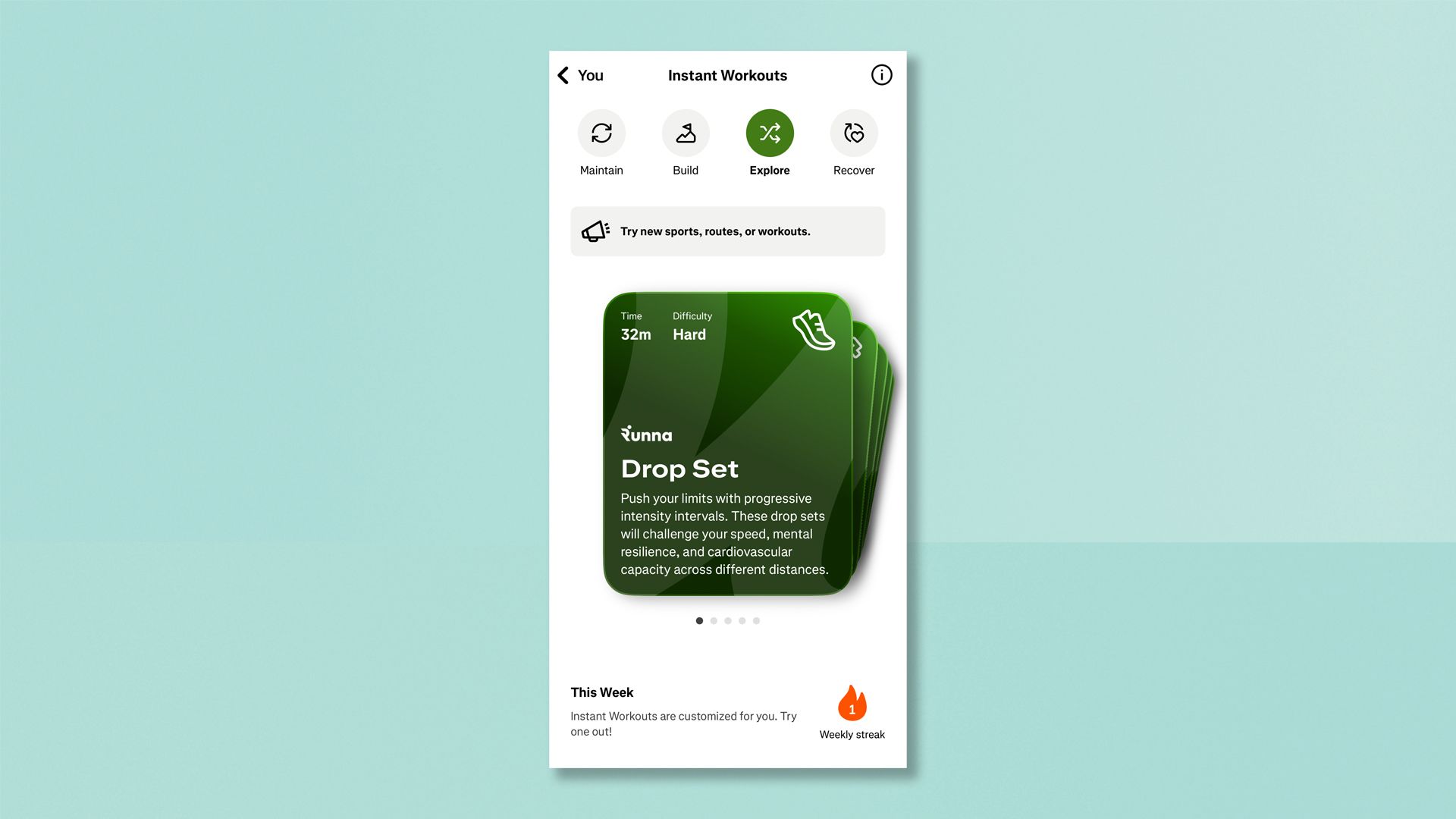
- Update: The Verge's smartwatch coverage notes that Apple Fitness+ has introduced new fitness plans, musical guests, and podcasts for 2026, expanding its content library beyond on-demand workouts into audio-led fitness experiences.
- Who benefits: Apple Watch owners subscribed to Apple Fitness+ who want structured programming and audio-only content options alongside the existing video workout catalog — particularly commuters or travelers who work out without a screen.
Health Sensing & Research
-
Wearables reaching medical-grade diagnostics: A detailed analysis published one week ago by Future Insights finds that many 2026 consumer wearables now carry FDA Class II and Class III clearances for specific metrics. The report notes that while a hospital blood test remains the "gold standard" for point-in-time diagnosis, wearables are becoming the gold standard for trending health data — often more clinically valuable for chronic condition management. The piece highlights that FDA's regulatory stance is continuing to evolve, with blood pressure monitors now requiring 510(k) clearances as medical devices rather than being classified as general wellness products.
-
FDA's revised wellness device guidance reshaping the market: A January 2026 Covington & Burling legal analysis (still broadly relevant this week as industry players adjust compliance strategies) notes that FDA's revised guidance has created new ambiguity for wearable makers — blood oxygen saturation products may qualify as wellness, but continuous glucose monitors for wellness use and blood pressure monitors now require formal 510(k) clearances. This is forcing device makers to make difficult design and regulatory strategy decisions that will shape which biometric features appear in consumer wearables over the next 12–18 months.
Weekly Analysis
The wearable market in late April 2026 is converging on a single defining battle: the screenless health band. What was once WHOOP's niche is now the fastest-growing wearable form factor, with Garmin's CIRQA prototype, a rumored Fitbit Air, and a growing list of competitors all racing toward subscription-free or near-free recovery monitoring. The $99 Fitbit Air rumor is especially significant because it signals that Google — which has largely let Fitbit drift since its 2021 acquisition — may finally be ready to weaponize the brand's mass-market recognition against WHOOP's premium positioning. Meanwhile, Strava's April 2026 update is a quiet but meaningful power move: by bringing Annual Best Efforts to its platform, Strava is directly eroding one of the reasons serious endurance athletes have maintained parallel accounts on Garmin Connect. The platform is evolving from activity logger to comprehensive training intelligence tool. The regulatory environment continues to complicate the sensor arms race — FDA's tightening requirements for blood pressure and glucose monitoring mean the next wave of biometric features in mainstream consumer wearables will arrive more slowly than enthusiasts hope, but with more clinical credibility when they do.
What to Watch Next Week
- Fitbit Air confirmation or denial: The $99 screenless tracker rumor is fresh and unconfirmed — watch for Google/Fitbit to either formally respond or leak additional product details in the coming days, particularly as summer launch timelines would require pre-announcement marketing ramp-up soon.
- Garmin CIRQA official reveal: Garmin's screenless WHOOP-rival band has been backed by regulatory filings and leaked proof — a formal product announcement could come at any time, and the competitive response from WHOOP and the rumored Fitbit Air will be immediate. Monitor Garmin's press calendar and FCC database for filings that would confirm a specific launch window.
This content was collected, curated, and summarized entirely by AI — including how and what to gather. It may contain inaccuracies. Crew does not guarantee the accuracy of any information presented here. Always verify facts on your own before acting on them. Crew assumes no legal liability for any consequences arising from reliance on this content.
Powered by
