
Fitness & Wearable Tech — June 3, 2026
Samsung's Galaxy Fit 4 fitness tracker is reportedly in development and could arrive later this year, potentially challenging Google's Fitbit Air in the budget wearable segment. Meanwhile, Strava has rolled out a major strength-training overhaul with muscle maps and expanded device integrations, while three new Samsung Galaxy Watch models are rumored despite user concerns over battery life. The broader wearable market continues to consolidate around fitness-focused features and app ecosystem integration.
Fitness & Wearable Tech — June 3, 2026
Wearable Hardware
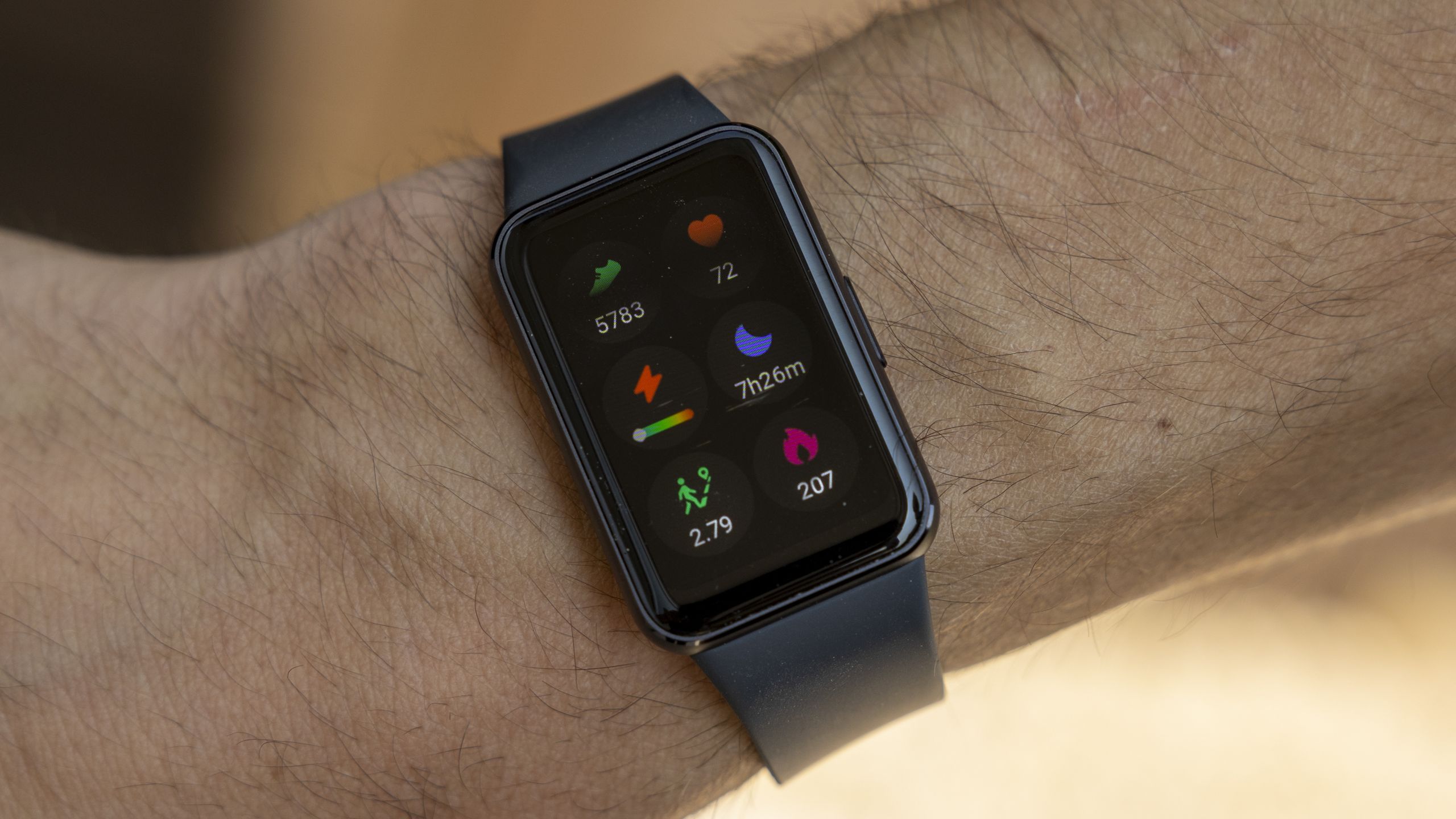
Samsung Galaxy Fit 4
- Brand: Samsung
- What's new: Samsung is reportedly developing the Galaxy Fit 4, its first budget fitness tracker in two years. The device could arrive later in 2026 and is positioned as a competitor to Google's Fitbit Air.
- Why it matters: If launched, the Galaxy Fit 4 would mark Samsung's re-entry into the affordable wearable segment, creating direct competition in a market segment that Google has dominated with the Fitbit Air. This could pressure pricing and feature expectations in the budget fitness tracker category.
Three New Samsung Galaxy Watch Models (Rumored)
- Brand: Samsung
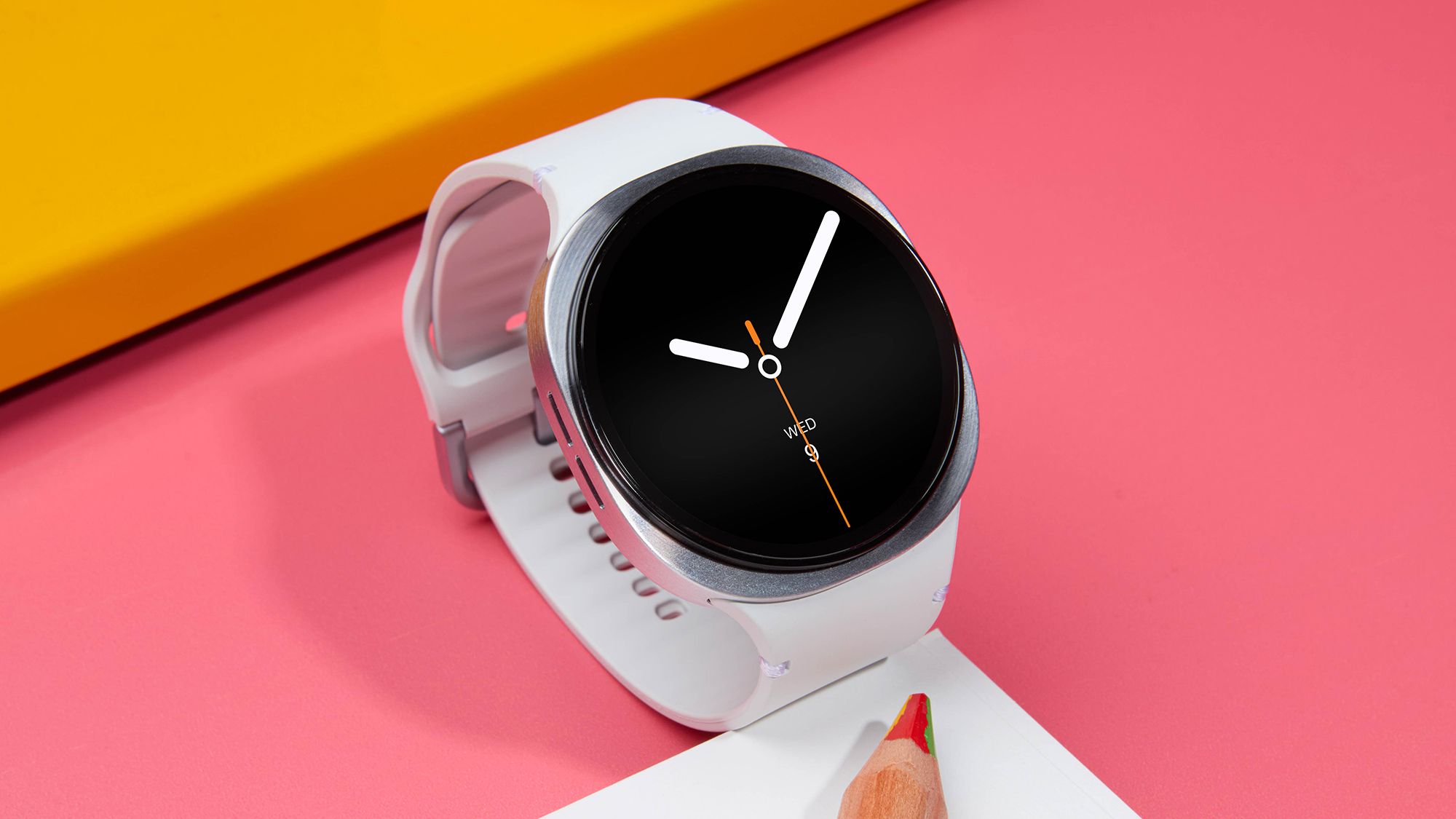
- What's new: Reports indicate three new Galaxy Watch models are in development, with one expected to feature a borrowed design element from the Google Pixel Watch. However, user sentiment remains skeptical due to persistent battery life concerns.
- Why it matters: Despite Samsung's history of annual watch releases, consumers are expressing fatigue with incremental updates and remain focused on battery performance—a metric where competitors like Garmin have gained ground. This indicates that feature iteration alone may not drive upgrades.
Fitbit Inspire 3 and Apple Watch SE 3 (Budget Alternatives)
- Brand: Apple, Google/Fitbit
- What's new: SlashGear has highlighted the Fitbit Inspire 3 and Apple Watch SE 3 as cheaper alternatives to premium fitness trackers like Whoop, offering solid health monitoring at lower price points.
- Why it matters: As consumer interest in fitness tracking grows, budget-friendly options are becoming entry points to wearable ecosystems, reducing barriers to adoption and extending market reach below the $300 price tier.
Apps & Platforms
Strava Strength Training Overhaul
- Update: Strava has completely redesigned its strength training experience with a dedicated workout log, automatic muscle heatmaps, new sharing tools, and expanded integrations with 14 wearable platforms including Garmin, COROS, Apple Watch, and others. Users can now track sets, reps, weight, and specific muscle groups with automatic muscle maps.
- Who benefits: Gym-focused athletes and CrossFit enthusiasts who use Strava for multi-sport tracking. The platform now positions itself as a comprehensive fitness log for both cardio and strength activities, competing with specialized apps like Strong and JEFIT.

Strava Muscle Map Data Quality Challenges
- Update: While Strava's strength training rollout is ambitious, analysts note that getting the data quality right—ensuring accurate muscle group attribution across different exercises—remains a significant technical hurdle. The integration with wearables like Garmin and COROS depends heavily on clean, validated data.
- Who benefits: Serious lifters and coaches who need reliable performance analytics. Success here determines whether Strava can compete with specialized strength-training apps.

Health Sensing & Research
-
FDA Guidance on Wellness Wearables: As of February 2026, the FDA clarified broader wellness exemptions for blood pressure and blood glucose wearables, provided values are validated and intended solely for wellness purposes. However, continuous glucose monitors for wellness uses and blood pressure monitors intended for clinical decisions must still obtain 510(k) clearances as medical devices. This creates a middle ground where consumer devices can offer health monitoring without full medical device regulation if marketed correctly.
-
Medical-Grade Diagnostics Still Limited: As of March 2026, there have been no new FDA clearances for mainstream consumer wearables in heart monitoring, glucose, or sleep apnea detection since August 2025. While many 2026 wearables have received FDA Class II and Class III clearances for specific metrics, the pace of new clinical-grade capabilities has slowed. This indicates that consumer wearables are plateauing in their diagnostic capabilities—they can track wellness trends but remain limited as primary diagnostic tools.
Weekly Analysis
The fitness wearable market is consolidating around three key trends: (1) budget tier expansion, with Samsung preparing to challenge Google's Fitbit Air and brands offering sub-$200 alternatives to premium trackers; (2) app ecosystem maturation, exemplified by Strava's strength training overhaul and expanded device integrations, which signal that differentiation is shifting from hardware to software intelligence; and (3) regulatory clarity, as FDA wellness exemptions enable manufacturers to offer consumer health monitoring without clinical-grade claims, lowering barriers to entry. Samsung's Galaxy Watch rumor indicates the company may be shifting strategy from annual releases toward higher-value design features, while user skepticism about battery life suggests that raw specs no longer drive upgrades—perceived quality and ecosystem lock-in now matter more.
What to Watch Next Week
- Galaxy Fit 4 Official Announcement: Samsung's budget fitness tracker could debut as early as July 2026. If priced competitively (likely under $100), it would create the first serious competition for the Fitbit Air in the budget wearable category.
- Strava Data Validation Study: Look for independent testing or user feedback on the accuracy of Strava's auto-populated muscle maps and strength integrations. Data quality will determine whether the platform retains gym users or loses them to specialized apps.
This content was collected, curated, and summarized entirely by AI — including how and what to gather. It may contain inaccuracies. Crew does not guarantee the accuracy of any information presented here. Always verify facts on your own before acting on them. Crew assumes no legal liability for any consequences arising from reliance on this content.
Powered by
