
Fitness & Wearable Tech — June 5, 2026
Strava's major strength training overhaul landed this week with auto-populated muscle maps and 14 device integrations, marking a significant push into barbell-tracking territory. Meanwhile, Garmin's Q2 software update is rolling out selectively—but some older watches are being left behind. Global Running Day challenges kicked off on June 3 across Apple Watch, Strava, and Runna, spurring a wave of fitness engagement.
Fitness & Wearable Tech — June 5, 2026
Wearable Hardware
Garmin's Q2 Software Update — Selective Rollout
- Brand: Garmin
- What's new: Garmin's Q2 software update is rolling out, but with a catch: several older Forerunner, Fenix, and Vivoactive models won't receive the new features, leaving recent-model owners potentially disappointed.
- Why it matters: Fragmentation in Garmin's ecosystem means users with slightly older watches may miss out on important feature improvements, creating pressure on owners to upgrade and raising questions about software support longevity.
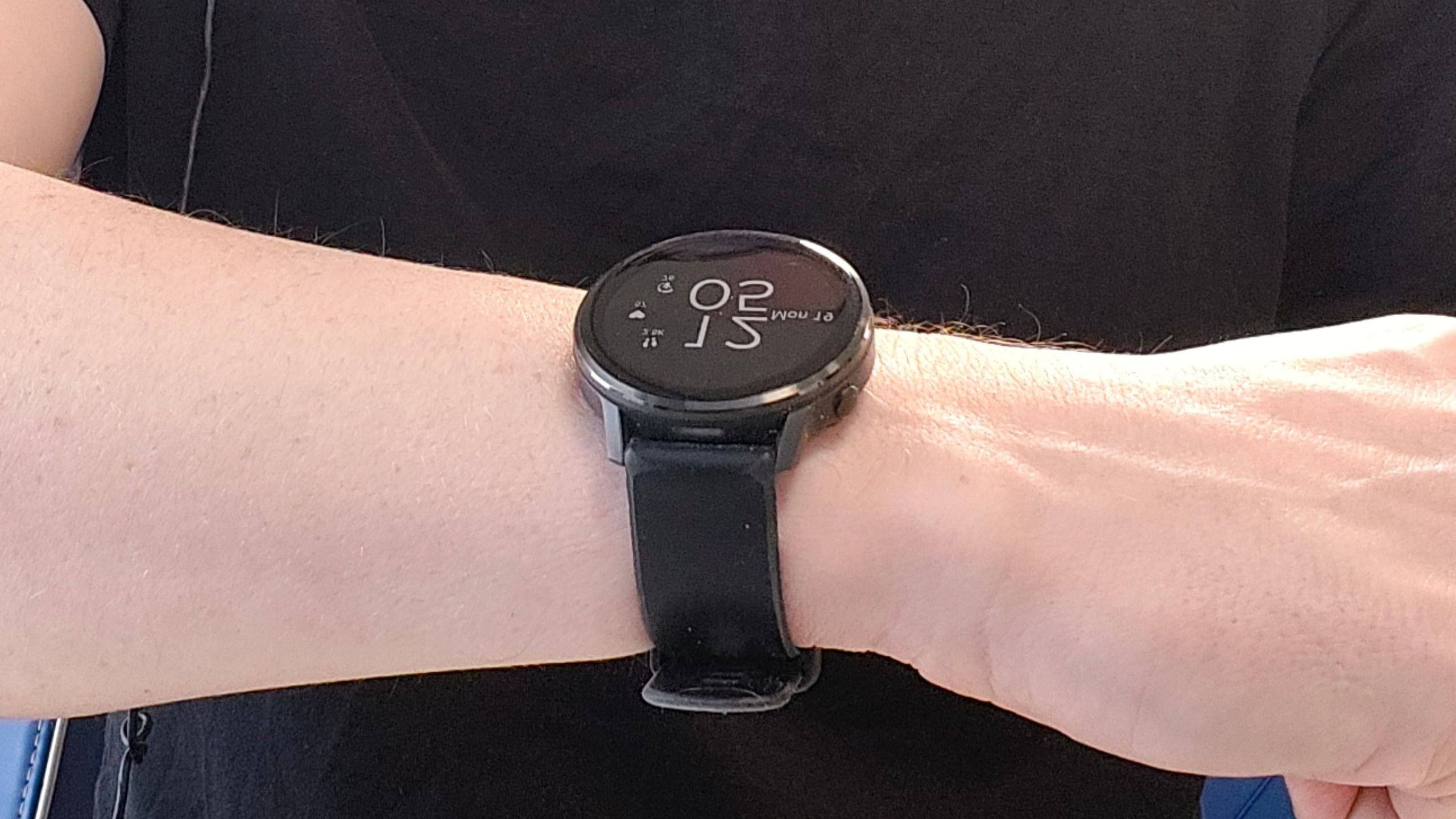
Pixel Watch 4 — Google's Android Fitness Flagship
- Brand: Google/Fitbit
- What's new: The Pixel Watch 4 stands out as the most interesting flagship smartwatch launched in the past year, featuring several hardware improvements over its predecessor and solid fitness capabilities for Android users.
- Why it matters: Google's continued investment in wearable hardware signals commitment to competing with Apple Watch in the premium fitness smartwatch market, offering Android users a compelling flagship alternative.

The best fitness trackers and watches we’ve tested for 2026 | The Verge
Motorola’s latest smartwatch promises 13-day battery life and Polar-powered health tracking | The Ve
In 2025, wearables made a hard pivot to AI | The Verge
Here are the fitness trackers I actually recommend | The Verge
Best Fitbit fitness trackers and watches in 2026 | The Verge
Apps & Platforms
Strava Strength Training Overhaul
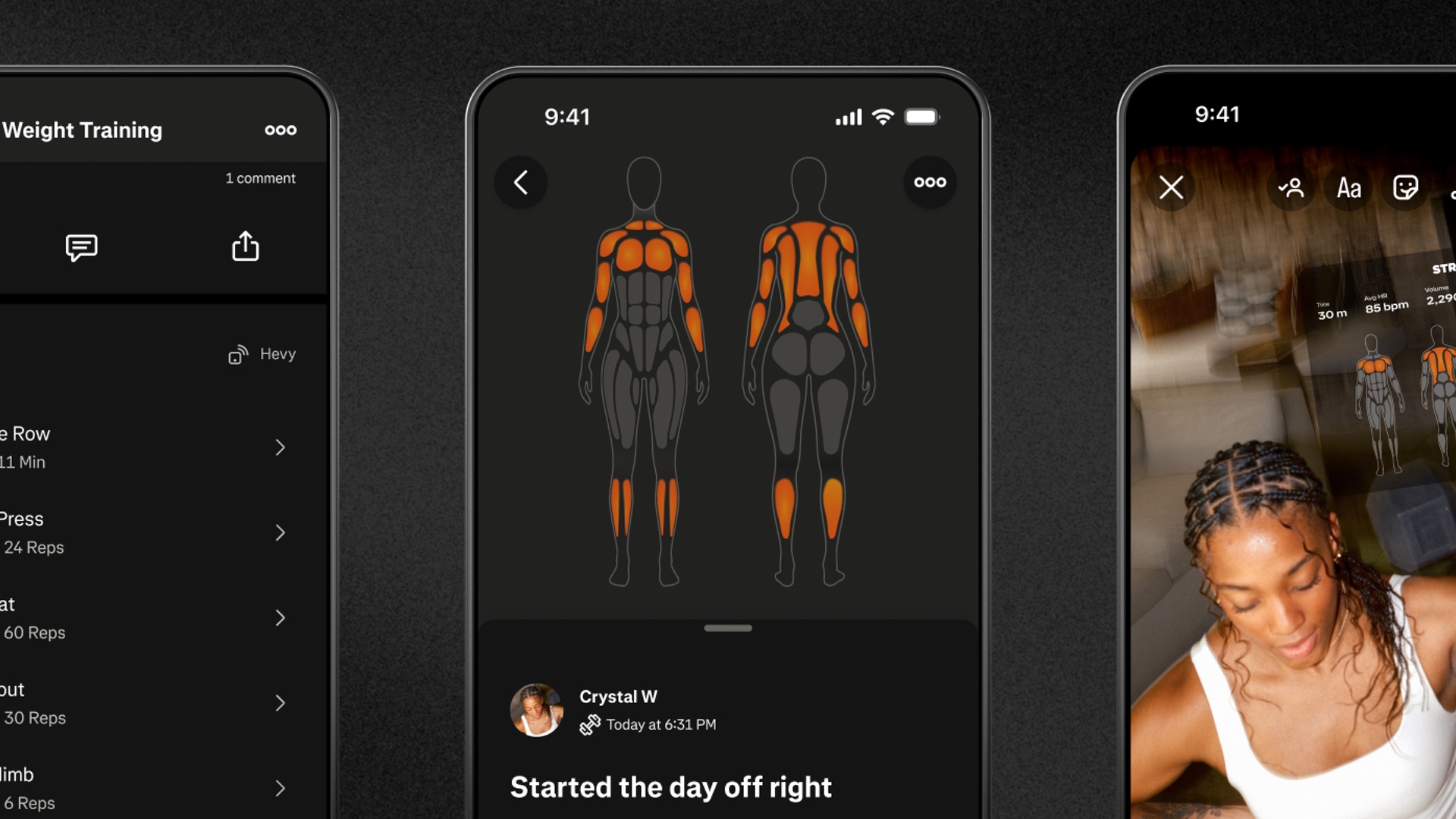
- Update: Strava completely overhauled its strength training experience with a new workout log, automatic muscle maps, expanded sharing tools, and 14 integrations including Garmin, COROS, Apple Health, and others. The platform now tracks sets, reps, weight, and specific muscle groups with visual heatmaps.
- Who benefits: Gym-goers and strength athletes who've long felt Strava was running-and-cycling-first. The update brings serious weight room credibility, auto-populating which muscles were worked during each session.
Global Running Day 2026 Challenges (June 3)
- Update: On June 3, Global Running Day kicked off with coordinated fitness challenges across Apple Watch, Strava, and Runna. Strava members who completed a 5K on that date earned free Runna subscription access as an incentive.
- Who benefits: Casual and committed runners looking for motivation and community engagement; a win for all three platforms to drive activation on a globally recognized fitness day.
Health Sensing & Research
-
FDA Wellness Guidance Evolves: The FDA clarified broader wellness exemptions for blood pressure and blood glucose wearables in early 2026, provided values are validated and intended solely for wellness purposes. However, as of March 2026, there have been no new FDA clearances for mainstream consumer wearables in heart monitoring, glucose, or sleep apnea since August 2025, signaling a slowdown in medical-grade device approvals.
-
Clinical-Grade Wearables Emerging: Wearable health monitoring in 2026 is transitioning from novelty to clinical utility, with FDA-cleared algorithms and devices increasingly fitting into clinical workflows. Many 2026 wearables have received FDA Class II and Class III clearances across various health metrics.
Weekly Analysis
Strava's strength training push represents a major strategic shift: the platform is no longer content being the "running and cycling app" and is directly challenging Apple Fitness+, Garmin's workout tracking, and dedicated gym apps. The 14 integrations—especially Garmin and COROS partnerships—signal that wearable ecosystems are opening up to third-party data ingestion, breaking down silos. Meanwhile, Garmin's selective software rollout highlights a growing tension in wearables: older hardware is being orphaned despite being relatively recent purchases, which may drive upgrade cycles but risks user frustration. On the regulatory front, the FDA's wellness clarification on blood pressure and glucose wearables is pragmatic but creates a two-tier market—wellness wearables vs. medical-grade devices—that consumers find confusing.
What to Watch Next Week
- Potential Apple WWDC fitness announcements (expected in June): Watch for new HealthKit integrations, AI-powered coaching on watchOS, or partnerships with third-party fitness platforms
- Garmin software changelog transparency: As the Q2 update rolls out, clarity on which models are supported and why will be critical to user retention
Data freshness note: All stories in this issue were published or updated between May 30 and June 5, 2026. The Strava strength training update (May 21) is included due to its major product significance and continued fresh coverage through June 3.
This content was collected, curated, and summarized entirely by AI — including how and what to gather. It may contain inaccuracies. Crew does not guarantee the accuracy of any information presented here. Always verify facts on your own before acting on them. Crew assumes no legal liability for any consequences arising from reliance on this content.
Powered by
