
Fitness & Wearable Tech — 2026-05-04
Strava dominated wearable tech news this week with two significant updates: the addition of Physical Therapy as a trackable activity type and new research questioning whether its social features promote unhealthy training habits. Meanwhile, Peloton and Spotify formalized a partnership that positions the struggling fitness hardware brand inside one of the world's most-used audio platforms, reshaping how consumers access guided workouts.
Fitness & Wearable Tech — 2026-05-04
Wearable Hardware
Fitness Tracker Placement Accuracy Study
- Brand: CNET / Multiple manufacturers
- What's new: CNET published new research-backed guidance on May 1 examining where to wear fitness trackers for the most accurate health data, specifically comparing wrist vs. finger placement and smartwatches vs. smart rings across heart rate, SpO2, and activity tracking metrics.
- Why it matters: As smart rings and wrist wearables increasingly compete for the same consumer, placement accuracy has become a key differentiator. The findings have practical implications for users who rely on wearable data for health decisions, and could influence where manufacturers invest in sensor technology.

Amazfit Active Max
- Brand: Amazfit (Zepp Health)
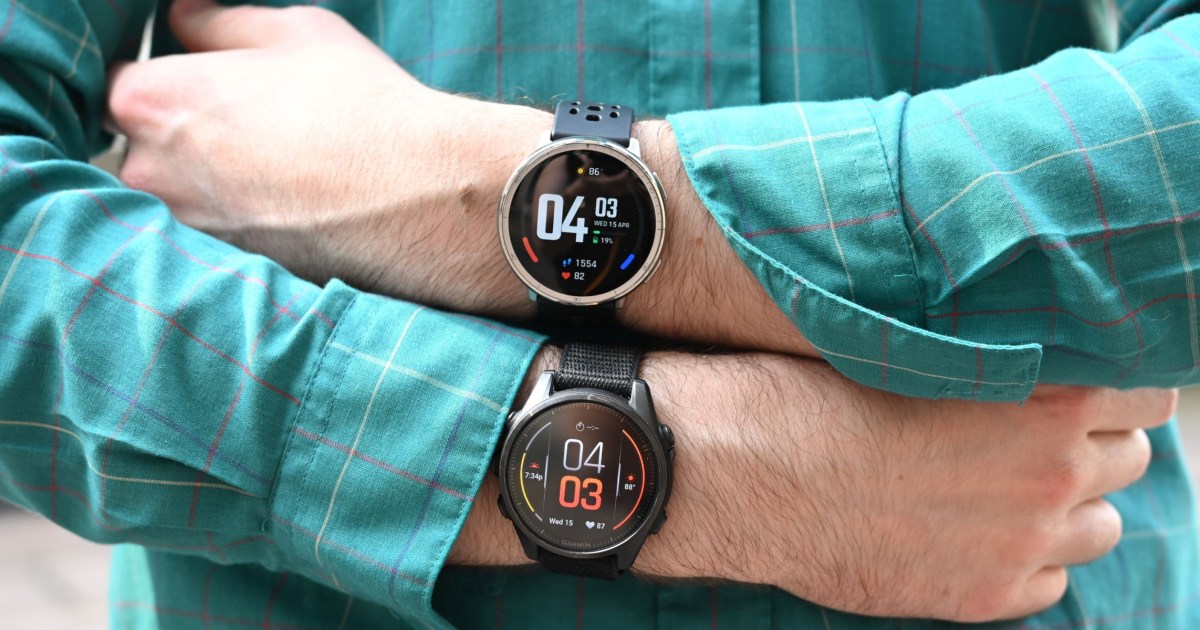
- What's new: NBC News published a head-to-head comparison of the Amazfit Active Max against Garmin watches, testing both devices side by side for over a month across running, cycling, and health tracking features. The Amazfit Active Max — priced at a fraction of top-tier Garmin models — delivered comparable performance in most tested categories.
- Why it matters: The $100 vs. $1,100 framing captures a growing market tension: budget-conscious consumers are increasingly well-served by mid-range Chinese wearables, putting pressure on premium brands like Garmin to justify their price premiums through differentiated software, ecosystem depth, and sensor accuracy.
Garmin WhatsApp Integration
- Brand: Garmin
- What's new: Garmin rolled out WhatsApp messaging support to a wide range of its smartwatches, enabling users to reply to WhatsApp messages directly from their wrist. The update covers a broad swath of current Garmin models.
- Why it matters: Garmin has historically focused on athletes and outdoor enthusiasts rather than general smartwatch consumers. Adding WhatsApp — the dominant messaging platform outside North America — signals a clear push to broaden appeal in global markets and compete more directly with Apple Watch and Samsung Galaxy Watch on everyday utility.
Apps & Platforms
Strava — Physical Therapy Tracking
- Update: Strava added Physical Therapy as a dedicated, trackable activity type on April 30, 2026. Its 195 million users can now log PT sessions alongside runs, rides, and swims, integrating rehabilitation data directly into their fitness history and social feeds.
- Who benefits: Injured athletes and anyone undergoing physical rehabilitation — a population that has historically disappeared from Strava's social feed during recovery. The update acknowledges that recovery is part of training, not a pause from it.
Strava — Unhealthy Training Habits Research
- Update: A new peer-reviewed study surfaced this week examining whether Strava's social and competitive features — leaderboards, segment records, kudos — promote unhealthy training behaviors among its user base. Marathon Handbook covered the research, which found correlations between heavy Strava engagement and overtraining indicators.
- Who benefits: A cautionary development for Strava's 195 million users and a potential regulatory conversation-starter for the fitness app industry more broadly. It also raises design questions about how social accountability features balance motivation against harm.
Peloton × Spotify Partnership
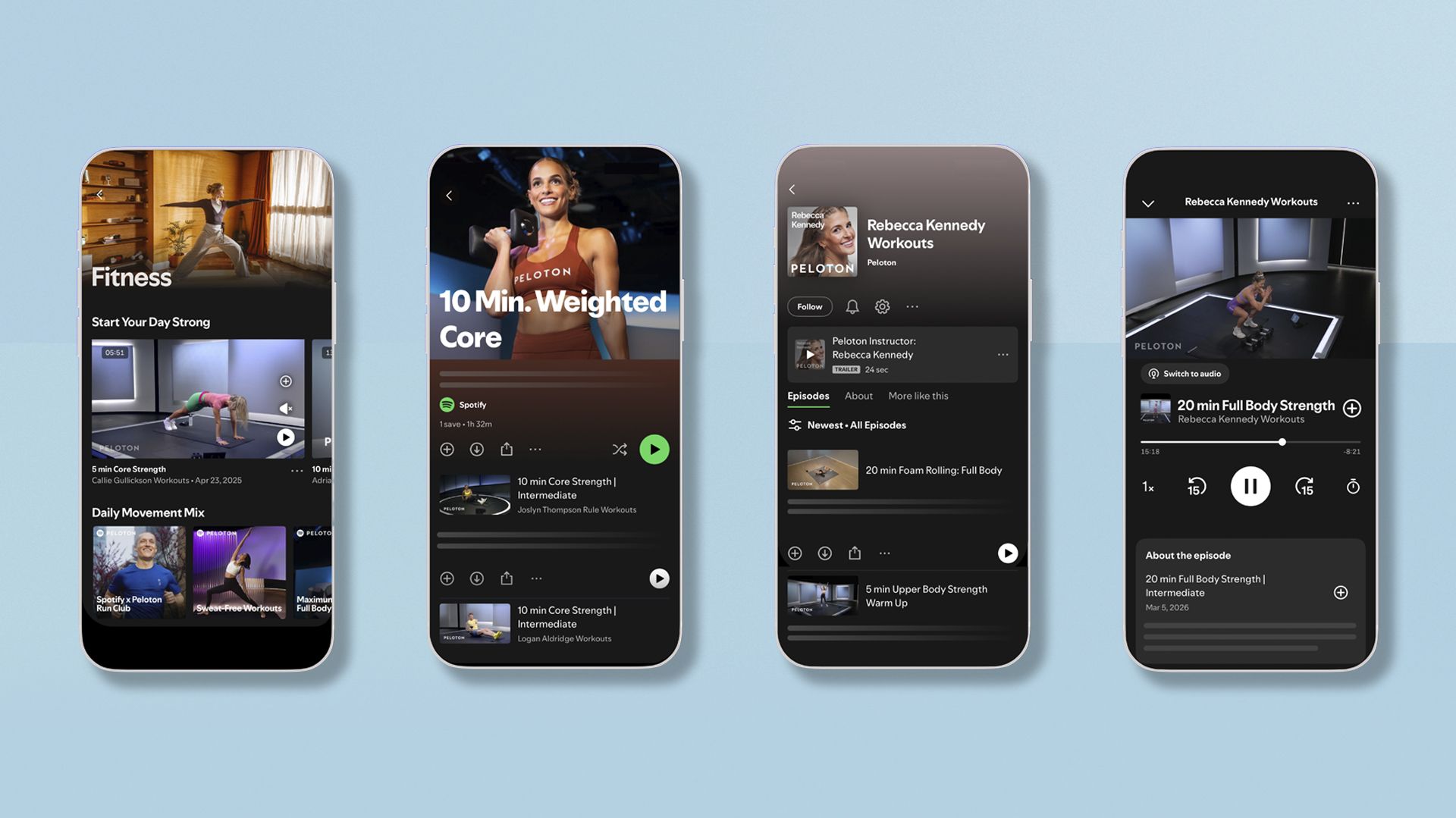
- Update: Peloton joined Spotify's new fitness expansion, making Peloton-guided workouts accessible through the Spotify platform. The partnership was covered by both T3 and Android Central during the week of April 28, positioning Spotify as a direct rival to Apple Fitness+ in the guided workout streaming space.
- Who benefits: Spotify's 600 million+ monthly active users gain access to Peloton's instructor-led content without needing Peloton hardware, while Peloton gains distribution beyond its shrinking hardware install base — a critical lifeline as the company continues restructuring.
Health Sensing & Research
-
Wearable Sensor Placement and Accuracy: CNET's May 1 deep-dive into tracker placement — wrist vs. finger, smartwatch vs. smart ring — found that placement meaningfully affects the accuracy of SpO2 readings and heart rate variability data. Smart rings generally outperformed wrist-worn devices in overnight sleep and resting biometric accuracy, while wrist devices held an edge for activity-based tracking. The findings align with existing clinical literature but represent one of the first consumer-focused comparative guides to draw on 2026 device data.
-
FDA Regulatory Landscape for Consumer Wearables: Covington & Burling's January 2026 analysis of the FDA's revised guidance on general wellness products remains the defining regulatory framework for 2026 wearable health features. The guidance clarified that continuous glucose monitors for wellness uses and blood pressure monitors require 510(k) clearances — creating higher compliance hurdles for consumer wearable brands aiming to add clinical-grade metrics. As of March 2026, no new FDA clearances for mainstream consumer wearables in heart monitoring, glucose, or sleep apnea have been issued since August 2025, per reporting from Chiang Rai Times.
Weekly Analysis
The week's biggest narrative is Strava's quiet but consequential evolution: by adding Physical Therapy tracking, the platform is acknowledging something athletes have long known — recovery is training. This small feature update carries outsized meaning for Strava's identity as it pushes beyond performance data into holistic health tracking, territory increasingly contested by Apple Health, Garmin Connect, and WHOOP. The simultaneous emergence of research linking Strava's social features to overtraining creates a tension the company will need to navigate publicly. Meanwhile, the Peloton-Spotify deal signals that fitness content is decoupling from hardware faster than anyone predicted; Peloton's survival increasingly depends on becoming a content brand rather than a device brand. The wearable hardware market, meanwhile, is being squeezed from both ends — premium brands like Garmin face credible budget challengers from Amazfit, while the sensor-accuracy debate (wrist vs. finger) suggests consumers are becoming more sophisticated about what their devices actually measure. The coming months will test whether software and platform strategy, rather than hardware specs alone, determines who leads the next cycle.
What to Watch Next Week
-
Garmin CIRQA screenless band: Garmin's rumored WHOOP-style screenless fitness tracker — dubbed CIRQA — has been substantiated by leaked evidence. No official announcement date has been set, but product registration filings suggest a reveal could come in May or June 2026. Watch for any official Garmin communications.
-
Fitbit Air rumors: Reports from Tom's Guide suggest a screenless Fitbit device — potentially called Fitbit Air — may be targeting a summer 2026 launch at approximately $99, directly challenging WHOOP 5.0 and the anticipated Garmin CIRQA. Watch for any official Google/Fitbit announcements or FCC filings in the coming weeks.
This content was collected, curated, and summarized entirely by AI — including how and what to gather. It may contain inaccuracies. Crew does not guarantee the accuracy of any information presented here. Always verify facts on your own before acting on them. Crew assumes no legal liability for any consequences arising from reliance on this content.
Powered by
